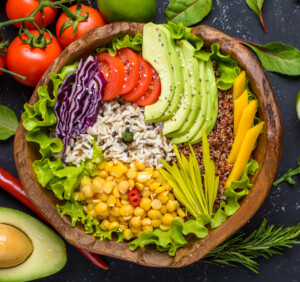




As 2020 comes to a close, we can reflect back on a year that has been challenging for us all. The coronavirus pandemic has drastically changed the way we work, live and socialize. It’s also changing the way we think about nutrition. Nearly one-quarter of all Americans are going more plant-based.
Every week it seems there’s a plethora of new plant-based products coming onto the scene and many have gained traction as we all try to navigate the new normal. Over the last several months we’ve seen brands debut with new products as companies pivot and innovate, bringing to market better-for-you healthier snacks, more ethical goods and more sustainable ingredients.
That said, plant-based protein products have significantly grown in popularity. It is one of the most talked-about nutrients when it comes to health and nutrition. What most people don’t know is that from leafy greens to seeds, plant-based foods are a great source of protein.
Proteins will always be an essential nutrient for all of us. In fact, according to www.marketsandmarkets.com, the global plant-based protein market is projected to grow from $10.3 billion in 2020 to $14.5 billion by 2025, with a CAGR of 7.1 percent during this period. This is attributed to the growing usage of pea protein in the food industry and innovation in the technologies used for extraction of plant-based protein.
Furthermore, the COVID-19 pandemic has had a profound impact on the plant-based protein market. Given the growing consumer awareness of the impact of the pandemic on meat production, consumers began adopting plant-based alternatives instead. This resulted in a sales surge of more than 500 percent for meat alternative brands. The pandemic has also influenced the sales of plant-based snacks, dairy alternatives, and supplements, as consumers move toward a healthier lifestyle.
From pea protein to hemp protein, an ever-increasing number of plant-based protein sources are being introduced into the marketplace that offer quality nutrition, taste and sustainability at the same time.
In light of new consumer desires to moderate animal-based protein consumption, the use of plant-based proteins offers a viable alternative across multiple existing and new product categories. What’s more, protein is the powerhouse macronutrient that research suggests is the most filling when it comes to satisfying hunger, which is particularly important within the context of the global obesity epidemic. Formulating and marketing foods and beverages that leverage plant-based proteins presents an opportunity for global growth.
According to Innova Market Insights, the plant protein trend is driven by increasing health concerns—primarily weight management—plus the move of sports and performance products into mainstream consumption. These products are now targeting the more generally active, rather than just world-class athletes.
The following are some plant-based protein recommendations to start incorporating into your diet. All are widely available in your favorite health food store or online:
Hemp Protein: For years the mainstream media has alluded to the health benefits of hemp. First, 65 percent of the total protein content of hemp seed comes from the globular protein edestin, which is easily digested, absorbed and utilized by the human body. Additionally, the hemp seed is loaded with omega-3 and omega-6 essential fatty acids that have significant cardiovascular and anti-inflammatory benefits. Hemp seeds can be used in protein powders, milk, butter and even soap.
Pea Protein: Sadly, when it comes to perception, many people struggle with the idea of peas as a protein source. Truth be told, pea protein has a very mild, pleasantly sweet taste. It’s one of the better tasting proteins. Pea protein is the concentrated natural protein fraction of yellow peas.
Rice Protein (Brown): Despite its reputation as a carbohydrate source, brown rice protein contains more than five grams of protein per cup. Rice protein powder is made by grinding up rice grains and treating them with an enzyme that separates the starch (carbohydrate) from the protein.
Brown rice protein is considered a medium-digesting protein. It absorbs more slowly than whey (which is the fastest absorbing protein on the market), but it’s faster than casein (the slowest-digesting protein).
Soy Protein: A good source of protein for those looking for a vegetarian source of protein. Soy is rich in glutamine, arginine (vasodilation), and branched chain amino acids (recovery). Soy contains isoflavones which supports healthy cholesterol levels. It has also been found to boost thyroid hormone output. By doing so, it speeds up the metabolism which aids in fat loss.
Spirulina: This is one of the great super foods. It is approximately 65 to 71 percent complete protein in its natural state. This is higher than virtually any other unprocessed food. Unlike most other forms of protein, the protein in spirulina is 85-95 percent digestible. Finally, since spirulina has no cellulose in its cell walls, it is extremely easy for the body to break down. In fact, its amino acids are delivered to the body for almost instant absorption.
The industry is also seeing newly available sources of protein being derived from ingredients commonly used for other nutrients. Protein from potatoes, mushrooms and fruits have burst onto the scene over the past few years.
One ingredient maker has developed methods to economically produce a canola protein isolate with a balanced amino acid profile that contains all essential amino acids. These isolates are also high in sulfur-containing amino acids (methionine and cysteine), as compared to other vegetable proteins.
Another recent entry into the protein space is lupin protein. Seeds of various species of lupins have been used as food for more than 6,000 years, but they have never been accorded the same status as soybeans or other pulse crops. Lupin is gluten-free, can act as a prebiotic, is non-GMO (genetically modified organism) and high in protein content (approximately 40 percent).
While nuts have long been recognized for high protein and other nutritional benefits, other plants that offer value-added protein benefits include grains and seeds. For example, quinoa has a complete amino acid profile and is non-allergenic, non-GMO and gluten free. Oats are low in gluten and high in soluble dietary fiber. Flax is known for its healthy fats and fiber, but it is also a legitimate protein source.
The amount of dietary protein needed for consumers depends on overall caloric needs. The daily recommended intake of protein for healthy adults is 10 percent to 35 percent of total caloric needs. For example, a person on a 2,000 calorie diet could eat 100 grams of protein, which would supply 20 percent of their total daily calories. True, everyone needs protein. But, as the cliché goes, too much of a good thing can be bad. Excessive protein can severely damage the kidneys. Moreover, consuming extra protein does not promote muscle growth! Do not be fooled by the edgy marketing!
Whether we are talking about veganism or vegetarianism, both of these lifestyles are, and have been on the rise for quite some time now. We have all heard compelling reasons why people make the switch to these lifestyles. People consuming plant-based products reduce their risk for so many chronic diseases, including heart disease and diabetes. Furthermore, plant-based diets are naturally low in saturated fat, high in fiber and loaded with cancer-protective phytochemicals. An increasing number of people acknowledge these facts and are consuming an increased number of plant-based products to improve their health status. This trend has been a wakeup call of sorts for so many. Are you in? VR
Mark Becker is a senior account Manager for Vivion, a raw materials distributor, based in Vernon, CA. He has worked as a natural products sales and marketing executive for 20 years. Becker has written more than 300 articles and has hosted or been a guest on more than 500 radio shows. He obtained a bachelor’s in journalism from Long Beach State University and did his Master’s work in communications at Cal State Fullerton. For more than 35 years he has participated in numerous endurance events, including more than 150 triathlons of Olympic distance or longer, 103 marathons and numerous other events including ultramarathons and rough water swims from Alcatraz to the mainland. He has relied on a comprehensive dietary supplement regimen to support his athletic, professional and personal endeavors. Follow Becker on Facebook at www.facebook.com/marklbecker/posts/387591877933686#!/energyatlast. Follow Becker on Twitter at http://twitter.com/#!/becker_mark. For more information, access www.vivioninc.com, www.alliedbionutrition.com or www.EnergyatLast.com.

![[Extra! Extra!] Inflammation and its Impact on Bone Density](https://vitaminretailer.com/wp-content/uploads/2025/04/Bone-Joint-Health-300x294-1745943990.jpg)