


Athletes are always seeking ways to improve performance. Since the onset of the pandemic, many athletes have begun to reconsider a major contributor to performance that is often overlooked: the immune system.
The immune system is the body’s version of the military: it is tasked with defending against all who threaten it. It has some interesting soldiers that help make this possible.
The immune system is a complex strategic fighting system powered by five liters of blood and lymph, a clear and colorless liquid that passes throughout the tissues of the body. Together, these two fluids transport all the different elements of the immune system so they can effectively do their jobs.
The immune system is comprised of the skin, bone marrow, thymus, spleen, white blood cells, antibodies, hormones and more.
White blood cells are particularly compelling, as they charge into battle at the first sign of trouble. These cells patrol your body with a variety of weapons, including antibodies, that will overpower an offending organism. These brave soldiers only live up to a few weeks, but the cavalry is not far behind. A single drop of blood can contain up to 25,000 white blood cells.
Natural killer cells are an elite fighting unit, as they bring the heavy artillery. Armed with a protein that breaks down a cell’s membrane, natural killer cells seek out cells with abnormal membranes, such as tumor cells and cells that are infected with a virus, and kill them on contact.
But sometimes the immune system fails: An invader will compromise the immune system making you sick. Can athletes be proactive in making the immune system stronger? The immune system is precisely that—a system, not a single entity. To function well, it requires balance and harmony. There is still much that researchers don’t know about the intricacies and interconnectedness of the immune response. For now, there are no scientifically proven direct links between living an active, healthy lifestyle and enhanced immune function.
That said, the following factors often contribute to suboptimal immune function in athletes:
• Over training
• Low nutrient intake
• Frequent travel
• Inadequate Sleep
• Stress
Retailer shelves are full of immune products that can dramatically help athletes of all kinds. These products will strengthen the immune system, enhance immune system response and help prevent the development of viruses, including COVID-19 and its variants. A few of my favorites are:
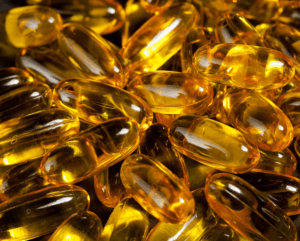
Fish Oil: The mainstream media has been reporting on the benefits of fish oil for years. Studies have shown that the omega-3s found in fish oil not only impact immune health, but also help prevent and fight heart disease, cancer, depression, arthritis, Alzheimer’s disease, ulcers, diabetes, hyperactivity and other diseases. For athletes, the healthy fats found in fish oil enhance immune system response, increase energy levels and fight inflammation. While omega-3s can be found in flaxseed, walnuts and a few other foods, the most beneficial form of omega-3, containing two fatty acids—EPA and DHA, which are essential in preventing and fighting both physical and mental illness—can be found only in fish. Be sure to take fish oil products from companies that follow strict procedures to eliminate environmental contaminants to assure the highest purity of its fish oil supplements.
Glutamine: an amino acid that studies have shown is essential during an inflammatory response due to a viral or bacterial infection. Glutamine is critical for cell growth and supports immune cells, such as T-cells and B-cells, when fighting off a virus. The gut, liver, kidney and immune system all require glutamine. If the body is dealing with an inflammatory response, it can cause the depletion of glutamine levels, resulting in a weakened immune system.
Vitamin C: supports the function of various immune cells and enhances their ability to protect against infection. Vitamin C is also necessary for cellular death, which helps keep your immune system healthy by clearing out old cells and replacing them with new ones. Vitamin C also functions as a powerful antioxidant, protecting against damage induced by oxidative stress, which occurs with the accumulation of reactive molecules known as free radicals.
Vitamin D: involved in immunity through several mechanisms and plays a role in regulating both the innate and adaptive immune response in the body. Vitamin D impacts immune health by interacting with vitamin D receptors on innate immune cells throughout the body. The innate immune is the body’s non-specific first line of defense against foreign pathogens. Vitamin D builds immunity and helps fight off infection by regulating the activity of immune cells which elicit antiviral responses. According to multiple studies, vitamin D enhances innate immune response and plays a role in the activation of these cells for helping the body fight off infections. Vitamin D also acts as an immune system modulator by suppressing inflammation associated with both the innate and adaptive immune response.
Zinc: one of the most essential minerals needed for the development of immune cells. It aids the communication between cells and plays a role in the inflammatory response. T-cells that work to destroy viruses are in part regulated by zinc. Zinc has also been shown to help decrease the incidences of respiratory tract infections. Even just a minor zinc deficiency can cause the immune system to function poorly, leading to an increased risk of pneumonia, infection and disease.
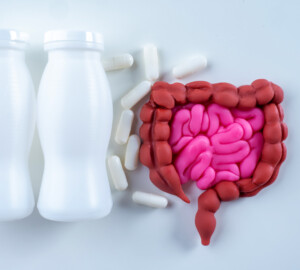
In light of the prevalence of COVID-19, compelling science is emerging on a wide range of immune ingredients that impact many health conditions. Researchers continue to study how the immune system works and how to interpret measurements of immune function. Your gut is filled with tons of bacteria and other things that drive immune function. Ironically, germs that originate outside the body can actually bolster immune function. The immune system has the profound ability to adapt to foreign invaders and will remember these invaders and know what to do if they return.
Gender, genetics, age and how we manage sleep, stress, exercise and nutrition all impact an athlete’s immune system performance. Furthermore, it is well known that chronic sleep disturbances impair cognitive function, mood, nutrient metabolism, perceived exertion and performance in athletes. Retailers, marketers and health professionals will continue to explore natural solutions that will support the health of this truly complex fighting system. In the end, all athletes will benefit. VR
Mark Becker is a senior account manager for Vivion Inc, a raw materials distributor, based in Vernon, CA. He has worked as a natural products sales and marketing executive for 20 years. Becker has written more than 300 articles and has hosted or been a guest on more than 500 radio shows. He obtained a bachelor’s in journalism from Long Beach State University and did his master’s work in communications at Cal State Fullerton. For more than 35 years he has participated in numerous endurance events, including more than 150 triathlons of Olympic distance or longer, 103 marathons and numerous other events including ultramarathons and rough water swims from Alcatraz to the mainland. He has relied on a comprehensive dietary supplement regimen to support his athletic, professional and personal endeavors. Follow Mark Becker on Facebook at http://www.facebook.com/marklbecker/posts/387591877933686#!/energyatlast. Follow him on Twitter at http://twitter.com/#!/becker_mark. For more information, access www.vivioninc.com, www.alliedbionutrition.com or www.EnergyatLast.com.


![[Extra! Extra!] Top 10 Immune-boosting Foods and Supplements](https://vitaminretailer.com/wp-content/uploads/2025/08/Immune-Health-300x286-1756141464.jpg)