


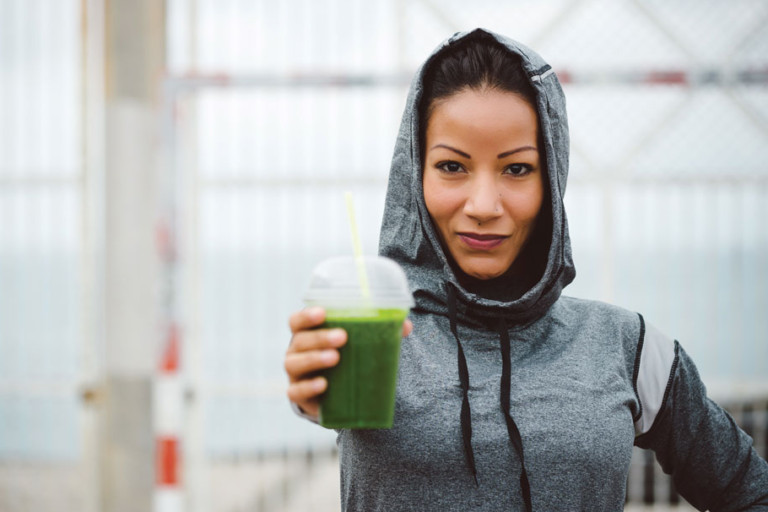
Sports nutrition continues to evolve to become ever-more inclusive.
Remember Jazzercise? All the rage in the late 70s and 80s, it combines dance, strength and resistance training with music for a full-body workout. And people can still sign up for Jazzercise classes.
Every generation has its hot workout that reflects society. Currently, Peloton and similar at-home live on-demand class workouts are engaging enthusiastic health-minded people who just don’t have time to go to a facility every day.
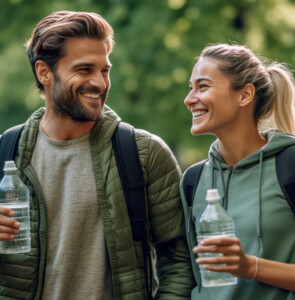
Whether it’s SoulCycle, HIIT (high-intensity interval training), or mall-walking clubs—people of all ages and fitness levels are moving to get into better shape, and they no longer view sports nutrition as an elitist supplement category for young athletes.
This is also more interwoven with diets such as keto, paleo and intermittent fasting—as diets and exercise trends often commingle.
“There are and always will be diets and workouts that are in trend, but in our opinion, it’s important to not get too fixated on a super-specialized way of doing either one,” said Tammo Walter, co-founder, ATAQ, California. “Life and living are all about balance, and there are various other ways your customers can eat healthy and increase their athletic performance.”
Another diet trend that is more about wellness than it is about weight and fitness—but absolutely intersects—is emphasizing wholesome plant-based foods and beverages. Supplements that use plant materials can also now star in the sports nutrition space. For example, ATAQ’s products are plant-based, said Walter, and while most of the company’s employees are not vegans, “we just believe plant-based products for sports nutrition are, for a multitude of reasons, the better choice. A plant-based diet, especially amongst athletes and active people, has become a trend, but what we promote is a healthy lifestyle (in diet and workout) that considers many aspects.”
When retailer Garners Natural Life opened 10 years ago, reported store manager Nick Beers, 90 percent of its protein set was whey. Now fast forward 10 years and it’s flipped. Plant-based protein makes up about 90 percent of the retailer’s current set. “A lot of people have cut dairy out of their lives and the plant-based protein market has exploded.” He added that Garners’ bestsellers are the Garden of Life Raw protein, Garden of Life Sport proteins, and Plantfusion’s proteins. Additionally, he pointed out, in mid-2018, bone broth protein was the hot item everyone wanted “but now for our store, most people have switched back to plant-based.”
This trends alongside a focus and demand on cleaner performance products, Walter added. There shouldn’t have to be a tradeoff between high-performance and health. For example, your energy bar should provide you with loads of natural food products and not pump you full of artificial and synthetic energy like some competitive bars would.
“The interest in natural pre-workouts is on the rise,” confirmed Beers. “We’re starting to see more of the ‘hardcore’ crowd want a natural alternative; a product that will give them nice clean energy, without the jitters, without the artificial colors/ingredients. We sell a lot of the Garden of Life Sport line, for example. The sugar-free pre-workout is our top seller.”
According to Jennifer Weinhardt, senior research & development specialist, Texas-based Bluebonnet Nutrition, the American College of Sports Medicine’s (ACSM) newly released report identifying 20 fitness trends for 2020 cited HIIT, group training, body weight training, free weight training and wearable technology in the top 10. “At Bluebonnet, we have observed an increased movement in cross training and those observing paleo and ketogenic diets, as far as nutrition is concerned.”
Overall, she said, “I think it’s most important that individuals find an exercise regimen they enjoy paired with a nutrition program that supports their overall health and wellness, not just immediate weight loss. Pairing this with a supplementation program will allow them to achieve long-lasting results.”
Weinhardt’s opinion validates the growing inclusivity of the sports nutrition supplement market today.
A synergistic concept is offered by Eric Le, vice president of marketing, O2 Recovery, Ohio, who believes that many of the current fitness and/or diet trends “are all manifestations of our desire to belong to a community and our desire to stand for something greater than ourselves.”
He related that, as a habitual CrossFitter and his wife, a Peloton enthusiast, these fitness activities help to reinforce what the individual stands for in wellness; it also makes the individual part of a tribe connected with common values. “But at its core,” he emphasized, “many of these trends are rooted in staples that have been around for decades—they’re just being branded differently. The names and brands may change, but the foundation remains the same. People want to sweat, people want community, and people want to stand for something greater than themselves.”
The category has become so expansive that some long-standing companies are now entering the space. For example, Illinois-based Carlson Laboratories recently stepped into the sports and fitness nutrition field, noted Colleen Higgins, marketing coordinator. The brand now offers pre-workout and post-workout omega-3 EFAs, amino acids, multivitamins and related nutrients that “accentuate the results of your customers’ hard work at the gym, especially for those whose programs are focused on building size and strength,” she said. Carlson’s new fitness supplements are also formulated to support energy production, exercise performance, and cardiovascular health, as well as to promote reduced recovery time following intense exercise.
For example, one of Carlson Lab’s newest fitness supplements is a high-potency blend, MCT & Omega-3, available in a bottle or new single-serve packets for on-the-go. Higgins explained, “The medium chain triglycerides in MCT & Omega-3 are easily digested, metabolized, and absorbed to promote natural energy production and healthy fat metabolism.”
Attitudes Impacting the Category
As the category continues to morph, its changing profile is energized by attitudes that are different than yesterday’s typical gym-goer, who was mostly focused on intense bodybuilding. How people are getting into physical shape showcases diversity. Walter observed, “more and more people are becoming active and working out. The rise of gym memberships and participation in OCR (obstacle course racing), running and cycling events is a great indicator. But not only that, it has also impacted the competitiveness of people because they compete not just with their neighbor, friend or colleague, but due to apps and rankings available at any time they now ‘compete’ with people from anywhere around the world.”
Information access via smartphones and the proliferation of information providers not only informs how people are getting into better physical (and mental) shape, but is creating what Le sees is an incubating trend—coaching. “There’s obviously more access to information than ever, and I think it can be incredibly overwhelming for athletes/fitness enthusiasts, and this is why I believe coaching will continue to play a larger role,” he observed. “Whether it’s in-person coaching at your local gym or online-remote nutrition/fitness coaching, the role of the coach will grow more critical as someone’s chief ‘editor’ of all the noise among the fitness community.”
Tying in with the increased information is the internet of things (IoT), as well as what feeds into it—in this case, wearable fitness technology such as Fitbit, Apple Watch and Whoop. This, predicted Le, will have a significant impact on the fitness industry, and will be seen in the sports nutrition sections in natural products/health food retail. “People have higher expectations for data and information, so to be able to quantify how hard they’re working, how well they’re recovering, and leverage that data to continue to improve or leverage that data to be part of a community and see where they stack up is a big deal and something I see continuing to grow,” he commented.
This is supported by newly released data from Pew Research Center from a survey it conducted in June 2019. Wearable fitness trackers/smartwatches are now worn regularly by approximately one in five American adults (21 percent).
Instant info and overscheduled days play into how today’s consumers, especially Millennials, choose to get into shape. Because of this, observed Weinhardt, “we value shorter, quicker and more convenient options, especially in workouts and healthy meals.” And, in agreement with Le, she observed that we are more likely now than ever to track our own fitness progress through technologies such as apps that monitor such data as steps, heart rate and caloric intake/output as a complement to fitness routines.
“The sports nutrition category is no longer only for bodybuilders and competitive athletes,” Weinhardt underscored. While athletes still account for about one-third of global sales of these products and recreational users about one-fourth, a newer group called “lifestyle users” has been actively contributing to the sports nutrition market, she observed. Lifestyle users tend to consume these products as meal replacements as opposed to targeted sports goals such as quicker recovery, thereby mainstreaming the category. “Everyday lifestyle and health enthusiasts have now accepted the category as beneficial for them.”
She also noted that the category is benefiting for the first time from older active Americans—seniors. The aging population also contributes to global sports nutrition sales; they are specifically purchasing supplements that help protect against muscle wasting and also for maintaining healthy joints. “It’s been said that with proper nutrition, 70 is the new 40,” she commented. One of ACSM’s top 20 fitness trends for 2020 is fitness programs for older adults.
Product Overview and Examples
Is your sports nutrition section keeping pace? According to Weinhardt, the most important plan of action for a retailer to ensure you are on trend with how you both select products and market to your communities would be to engage in your own research. First, she advised, get to understand the research—not the mass media buzz; the manufacturers will gladly oblige here.
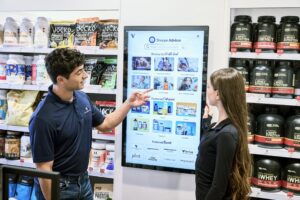
Also, you may want to perform an informal survey of how your customers exercise—what they do, how frequently, how “obsessed” they may be with their fitness programs, and what their fitness goals are. Find out what is important to them. What products may they have seen online that you don’t have that they might want to see or try?
Data from online reviews show distinct product trends. Lumina Intelligence, a U.K.-based market intelligence firm that provides data culled from online reviews, asserts in its report, “Sports Nutrition Market: Size, Trends and Analysis,” that the category is vast and spans a diverse range of products. The key sports nutrition product groups it notes are protein powders, protein bars, branched-chain amino acids (BCAAs), pre-workout blends, nitric oxide boosters and creatine supplements.
In 2018, protein powders continued to dominate as shown by having the highest number of reviews. BCAAs are a more niche protein category and are catching on quickly among consumers globally, with a higher level of online review score and engagement than previously. On the converse, according to the report, pre-workouts and nitric oxide boosters, skewing more toward serious athletes and bodybuilders, don’t gain as much attention, especially for the general fitness minded consumer.
Compared to other global regions and countries, according to the report, “The U.S. has a much higher expectation of [sports nutrition] products, as such products on average score lower. BCAAs shoot ahead, with more than 3,000 reviews on average per product. Protein powder still performs well, and only appears slightly less well-performing due to the comparative shape of the market. We see the traditional body-building products don’t attain significant appeal due to the small size of their traditional demographics, and the low scores due to the high expectations of the user.”
Empowering All Actives
Hardcore bodybuilders are still an active audience and they are much more attuned to what they put into their bodies than ever; the old stereotypes of Hulk-sized guys taking chemical concoctions has been banished.
ATAQ specializes in formulating plant-based sports nutrition for athletes and active individuals, according to Walter. ATAQ offers three product categories: protein, energy bars and electrolyte hydration mix. As is becoming standard, ATAQ’s line is non-GMO (genetically modified organism), gluten-, soy- and dairy-free and, except for two bar flavors, vegan.
“Our protein powder blends five different types of plant-based proteins to come as close to matching the amino acid profile of whey protein as possible, but without excluding athletes who are lactose intolerant or get general discomfort from trying to break down whey,” Walter explained.
ATAQ’s plant-based energy bars feature a ginseng extract to help the body produce glycogen and boost energy as well as speed up recovery, and have been formulated to be used as a healthy energy snack, to refuel during a tough workout or as post-workout recovery. The company’s electrolyte hydration mix includes all four critical minerals (sodium, potassium, magnesium and calcium), as well as a betaine extract that helps the body to metabolize proteins and carbs.
O2 is a sports recovery beverage developed by a physician and CrossFit trainer to help people combat soreness, dehydration, and fatigue from workouts or competition, according to Le. It’s a combination of electrolytes and oxygenated water with only 2 grams of sugar. Scientific studies on oxygenated water, he noted, have shown improved lactate clearance (reducing soreness) in athletes as well as an ability to accelerate the processing of toxins by the liver. “The research on electrolytes and hydration is well understood, yet many of today’s recovery drinks are woefully low on electrolytes and alarmingly high on sugar,” Le commented.
O2, he reported, just launched a line of products that incorporate 10 mg of THC-free CBD. “Now, more than ever, fitness enthusiasts are working out like elite athletes, yet lacking the resources and time to recover like elite athletes.”
Bluebonnet Nutrition’s Extreme Edge is, described Weinhardt, a clean-label sports nutrition line for individuals at any level of fitness—hardcore bodybuilders to weekend warriors—and contains products for pre-, during and post-workouts or competition. The daily core regimen consists of three formulas (Pre Workout, Carbo Load & Post Workout—available in multiple sizes and flavors) plus the ancillary products (Whey Protein Isolate, Nitro, BCAA + Glutamine). They are all free of unnatural excipients, binders, hormones, antibiotics, artificially derived sweeteners, flavors or colors.
Each product, Weinhardt noted, is formulated based on what the most compelling newer research shows in clinical settings. For example, she provided, the BCAAs in the Post Workout are in a 4:1:1 ratio to support a healthy ratio of leucine, isoleucine and valine to tryptophan (i.e., the BCAA to tryptophan ratio—the higher the BCAA content the less chance for fatigue to set in) and it also contains bromelain from pineapple to inhibit COX-2, an enzyme involved in pain, swelling and redness. “Therefore, together these ingredients can help to reduce muscle fatigue, discomfort, swelling and soreness, as one example,” she commented.
“Another example of our scientifically substantiated formulas is our use of the patented ingredient Nitrosigine in Extreme Edge Nitro,” she added.
Ingredient Contenders
Nitrosigine is an ingredient from Nutrition 21 of New York, that bonds arginine and silicate, unlocking powerful synergistic effects of each, Weinhardt described. The body converts arginine, an amino acid, into nitric oxide, stimulates growth hormone and synthesizes creatine. In such instances, exogenous arginine, provided as a dietary supplement, has been shown to facilitate the maintenance of lean body tissues and improve physical performance. These benefits are consistent with arginine’s well-documented vasodilatory activity and effects on growth hormone secretion. Silicon, meanwhile, is important for promoting the maintenance of strength and flexibility of arterial walls, which also helps to increase blood flow. Silicon is found abundantly in the human aorta, amounts of which decrease with age. Silicon is difficult to absorb through dietary intake, but Nitrosigine was shown in pre-clinical and clinical studies to increase its absorption.
Additionally, Weinhardt pointed out, Nitrosigine increases arginine levels in as quickly as 15 minutes and can last up to six hours after just a single dose and has been shown to continue to provide increased arginine levels through a workout session. Prolonged consumption causes the rise of nitric oxide levels, which can lead to better blood flow and blood vessel flexibility. Enhanced blood flow during and after exercise is known to help with muscle growth and recovery.
Robuvit French oak wood extract, from Horphag Research (New Jersey), is shown to support energy and sports endurance and is caffeine-free, according to Frank Schonlau, PhD, director of scientific communication. Several studies show that Robuvit helps to reduce the effects of fatigue that can be caused by overexertion in the gym or in competition. He explained, “supplementing with Robuvit causes gut microbiota to process roburins to bioactive metabolites, known as urolithins. Urolithins are shown to improve liver health, increasing availability of bioactive proteins for more energy and better muscle function. Urolithins developing from Robuvit generate more cellular powerhouses, mitochondria, to overcome fatigue. Additionally, Robuvit is shown to reduce oxidative stress levels.”
Deerland Probiotics & Enzymes, Georgia, provides ProHydrolase, an enzyme that, when paired with whey, has been shown to help the protein digest optimally, especially for those athletes who have GI (gastrointestinal) sensitivity caused by large whey peptides that are not broken down into smaller peptides for absorption. Large peptides can often cause bloating and cramping in such individuals.
A placebo-controlled human clinical study showed that a dose of 10 mg of ProHydrolase increased total amino acids in the blood by 20 percent, and reduced levels of pro-inflammatory C-reactive protein. The ProHydrolase and whey protein isolate group had a 55 mg increase in amino acids in the blood compared to the whey isolate-alone group. Additionally, CRP levels decreased in the ProHydrolase and whey protein group compared to an increase in the whey protein control group.
Deerland’s spore-forming probiotic, DE111 Bacillus subtilis was studied in collegiate male and female athletes in two separate studies. Both studies gave the athletes 1 billion CFU DE111, measuring against placebo. In the study of female collegiate athletes, the probiotic helped improve body composition and indices of performance compared to placebo. DE111 produced statistically significantly improvements in the reduction of body fat percentage, and a strong trend indicating improved performance of the deadlift exercise.
In the study involving male collegiate athletes during offseason training, researchers found that DE111 can promote tissue recovery and reduce likelihood of injury. The results of the study showed that compared to the placebo, the probiotic DE111 produced a statistically significantly reduction of tumor necrosis factor alpha (TNA-α).
LJ100 Tonkgat Ali (Eurycoma longifolia) extract from Florida-based HP Ingredients, is known to encourage auto-production of testosterone, and also has several studies showing applications for sports nutrition for men and for women. One placebo-controlled endurance study looked at how 100 mg LJ100 affected 30 men who engaged in a 24-hour, 60-mile mountain biking event. At the end of the study, cortisol levels were 32.3 percent lower in the LJ100 group compared to placebo, and testosterone levels were 16.4 percent higher in the LJ100 group compared to placebo; this is a significant rise in a short time. The authors concluded that LJ100, through its apparent ability to maintain low normal levels of cortisol and high normal levels of testosterone, improved anabolic state during intense endurance workouts.
LJ100 also appears to positively impact strength and muscle quality in middle-aged women. A 2009 double-blind, randomized study with 31 women aged 45 to 59 were given either 100 mg of LJ100 or a placebo for 12 weeks. Significant improvements were observed in bench press (67 percent vs. 58 percent), leg press (33 percent vs. 27 percent), balance (0.39 vs. 0.31), handgrip strength (0.71 vs. 0.43), muscular endurance (0.64 vs. 0.35) and rectus femurs cross-sectional (0.59 vs. 0.31).
As you review your sports nutrition category to “pump it up,” consider information provided by The Netherlands-based FMCG Gurus, which collaborated with FrieslandCampina Ingredients to study the new active consumer. They found that a growing consumer base is focusing on convenience, and that shot beverages are more attractive to committed athletes. Also, “men no longer dominate the market for performance nutrition products,” stated Vicky Davies, global marketing director/performance and active nutrition for FrieslandCampina Ingredients.
Mike Hughes, head of research and insight, FMCG Gurus, concluded that sports nutrition “is an expanding and fast-paced market.” VR
For More Information:
ATAQ, www.ataqfuel.com
Bluebonnet Nutrition, www.bluebonnetnutrition.com
Carlson Laboratories Inc., www.carlsonlabs.com
O2 Recovery, www.drinko2.com

![[Extra! Extra!] Achieving Prediabetes Remission](https://vitaminretailer.com/wp-content/uploads/2026/03/BllodSugarMetabolicHealth-300x275-1774637379.jpg)