


Tocotrienols are a class of natural compounds that are part of the vitamin E family. To be clear, they are not actually vitamin E, per se—that is, they are not alpha-tocopherol which is generally defined as being vitamin E. However, there are other tocopherols that do have some vitamin E activity, as well as significant antioxidant contributions. These other tocopherols occur in beta, gamma and delta forms. Likewise, tocotrienols are also found in alpha, beta, delta and gamma forms, although they have little actual vitamin E activity. However, tocotrienols do have significant antioxidant effects and are far more active than tocopherols, resulting in a variety of potential health benefits.
This article is dedicated to a discussion of the health benefits associated with tocotrienols, as well as a discussion about the respective sources from which they are commercially derived: palm oil, rice bran oil and annatto. Let’s begin with a discussion on the antioxidant properties of tocotrienols.
Tocotrienols as Antioxidants
Tocotrienols, especially the alpha-tocotrienol form, are reported to have potent antioxidant activity.1
They have better distribution in the fatty layers of the cell membranes than tocopherols, which makes them superior antioxidants for certain purposes.2,3 In fact, in one animal study,4 supplementation of tocotrienols helped prevent a decrease in the activity of the antioxidant enzymes glutathione reductase, glutathione peroxidase, catalase, superoxide dismutase, glutathione-s-transferase (GST), as well as the antioxidant peptide glutathione (GSH). The antioxidant action of tocotrienols are at the heart of many of their condition-specific benefits. For example, the antioxidant activity of tocotrienols have been shown to inhibit proliferation of breast cancer cells.5
Tocotrienols and Inflammation
Recently, a combination study of tocotrienols and poly-methoxylated flavones (PMF) showed reduced inflammation in patients with high cholesterol levels. The doses used were 27 mg/day of tocotrienols and 32 mg/day of PMF in humans.6 In a randomized, double-blind, placebo-controlled clinical trial in type-2 diabetes patients, 200 mg of tocotrienols added to canola oil and taken for a period of eight weeks protected patients against kidney inflammation.7 A double-blind, randomized, placebo-controlled clinical trial revealed that the combination of natural product compounds such as resveratrol, pterostilbene, quercetin, niacin and delta-tocotrienol showed significant anti-inflammatory activity by delaying the progression of age-associated diseases.8
Tocotrienols and Cancer
Dietary supplementation with annatto-tocotrienols (90 percent delta-tocotrienol and 10 percent gamma-tocotrienol) delayed the development of mammary tumors and reduced the number and size of mammary tumor masses and lung metastases in mice.9 The combination of tocotrienols and alpha-tocopherol was shown to inhibit the proliferation of cancer cells up to 50 percent in breast, cervical and leukemia. Tocotrienols were also shown to suppress lymphoma in mice,10 and reduce proliferation and migration in metastatic breast cancer cells, indicating their anti-cancerous properties.11 Furthermore, the combination of tocotrienols with caspase inhibitor medications could block the growth of malignant mammary epithelial cells.12 In fact, animal research has indicated that various tocotrienols have anticancer properties against breast and skin cancer cells.13-17 In one study, alpha-, gamma- and delta-tocotrienols were all shown to be effective at inhibiting the growth of mouse breast cancer cells.18 Other studies have shown similar effects.19,20
More significant than these rat studies is a human clinical trial21 in which bevacizumab (Avastin) chemotherapy was combined with 300 mg tocotrienols (American River Nutrition’s DeltaGold annatto tocotrienol), three times daily, with 20 ovarian cancer patients, most of whom were in stage three. The purpose of the study was to determine the additive effects of tocotrienols on the rate of disease control (DC), quality of life, safety, progression free survival (PFS), and overall survival (OS). Results were a high rate of disease stabilization at 70 percent, with very low toxicity. Progression free survival and overall survival were also rather high compared to chemotherapy alone, at 6.9 months and 10.9 months (median), respectively. Quality of life appears to have been stable during treatment. The researchers concluded that the combination of bevacizumab and tocotrienol is potent in chemotherapy ovarian cancer.
Research was conducted in 25 patients with pancreatic ductal neoplasia (a precursor to pancreatic cancer) to assess the effects of vitamin E delta-tocotrienol (VEDT) in a window-of-opportunity preoperative clinical trial.22 Patients received oral VEDT at escalating doses (from 200 to 3,200 mg) daily for 13 days before surgery and one dose on the day of surgery. Results were as follows: no dose-limiting toxicity was encountered; thus no maximum-tolerated dose was reached. Significant induction of apoptosis (cell death) in neoplastic cells was seen in the majority of patients at the 400 mg to 1,600 mg daily dose levels. These results are quite promising.
Tocotrienols and Cardiovascular Disease
Tocotrienols help protect against cardiovascular disease,23 though there are various components of cardiovascular disease. Perhaps the two most prevalent are hypertension (high blood pressure) and hyperlipidemia (elevated levels of cholesterol, phospholipids, triglycerides and cholesteryl esters). Treatment with tocotrienols exhibited a blood pressure-lowering effect on the systolic blood pressure of spontaneously hypertensive rats. They also caused a significant drop in the mean arterial pressure, decreased lipid peroxidation and increased the activity of antioxidant enzymes in hearts of rats.24
Research has demonstrated that supplementation with tocotrienols to pigs significantly reduced serum total cholesterol, LDL cholesterol, glucose and triglycerides.25 Tocotrienol administration also lowered the activity of HMG-CoA reductase (the enzyme involved in cholesterol production) and fatty acid levels in various other tissues.26 A human clinical trial also demonstrated that mixed tocotrienols exhibited significant liver protective effects in hypercholesterolemic adults.27 Furthermore, the study showed that tocotrienols could reduce serum levels of total cholesterol, LDL cholesterol and triglycerides compared to baseline levels. In patients with hyperlipidemia and carotid stenosis, long-term treatment with palm oil (a rich source of tocotrienols) resulted in significant lowering of LDL oxidation, and this in turn prevented the initiation and propagation of atherosclerosis, which is a chronic disease.28
Another study29 examined the effects of a rice bran tocotrienol on serum lipid parameters in hypercholesterolemic human subjects. Ninety (18 per group) hypercholesterolemic human subjects participated in this study, which comprised three phases of 35 days each. The subjects were initially placed on the American Heart Association (AHA) Step-1 diet and the effects noted. They were then administered 25, 50, 100 and 200 mg/day of rice bran tocotrienol while on the restricted (AHA) diet. The results show that a dose of 100 mg/day of rice bran tocotrienol produce maximum decreases of 20, 25, 14 (P<0.05) and 12 percent, respectively, in serum total cholesterol, LDL-cholesterol, apolipoprotein B and triglycerides compared with the baseline values, suggesting that a dose of 100 mg/day rice bran tocotrienol plus AHA Step-1 diet may be the optimal dose for controlling the risk of coronary heart disease in hypercholesterolemic human subjects.
Tocotrienols and Diabetes
Dietary antioxidants have been reported to exert a significant effect on controlling diabetic manifestations, and some of them have been experimentally evaluated. Tocotrienols were shown to effectively block the increase in serum advanced glycosylation end-products (an internally produced compound contributing to much of the damage in diabetes) and malondialdehyde (a damaging source of oxidative stress) and caused a reduction in blood glucose and glycated hemoglobin (a measure of long-term high glucose levels) in diabetic rats.30
Diabetes is associated with several secondary complications, such as neuropathy, retinopathy, nephropathy, lower limb amputations, etc. Studies evaluated the impact of tocotrienol treatment in diabetic rats. In one 10-week study, the tocotrienols significantly reduced stereotypical behavioral, biochemical and molecular changes associated with diabetes. Moreover, diabetic rats treated with an insulin–tocotrienol combination exhibited a more pronounced effect on molecular parameters as compared with their control groups.31 Tocotrienols also prevented diabetic neuropathy in rat models.32,33 Oral administration of tocotrienols also significantly reduced the fasting serum glucose level in diabetic rats by improving glucose metabolism. Tocotrienols also promoted an oxidative-stress-reducing property in diabetic rats, which is believed to be a pathogenic factor in the development of diabetic complications.34 Oral administration of tocotrienols also decreased the levels of glycated hemoglobin, plasma glucose, lipids, peroxylipid (malonedialdehyde), albuminuria, proteinemia and uremia, and improved insulin sensitivity in various animal models. It also prevents the incidence of long-term complications in diabetic nephropathy.35
A human prospective, randomized, double-blinded, placebo-controlled trial36 was conducted to investigate the effects of tocotrienol-rich vitamin E from palm oil on diabetic nephropathy (kidney disease) in patients with type 2 diabetes. The intervention group (n = 22) received 200 mg twice a day of tocotrienol-rich vitamin E, while the control group (n = 23) received placebo twice a day for eight weeks. Results were that, compared to placebo, the tocotrienol-rich vitamin E significantly reduced serum creatinine, a marker for kidney disease. This led researchers to conclude that treatment with tocotrienol-rich vitamin E may be a useful addition to the current treatment for diabetic nephropathy.
Tocotrienol and Neuroprotection
Tocotrienols have unique biological properties that make them potential neuroprotective dietary factors. In addition to their antioxidant activity, tocotrienols modulate signaling pathways involved in neuronal cell death in cell culture experiments.37 But will these cell culture neuroprotective effects translate to live organisms? This question was examined in a study of Parkinson’s disease.
Neuroprotection has been investigated recently as a strategy for Parkinson’s disease (PD) therapy. Since oxidative stress is important in the pathogenesis of PD, a study38 was conducted to examine the neuroprotective effects of delta-tocotrienol in a mouse model of PD. The results were that daily administration of delta-tocotrienol inhibited the loss of dopaminergic neurons. Moreover, delta-tocotrienol administration improved the performance of the PD mice in the wheel running activity. These results suggest that the oral administration of delta-tocotrienol may be useful in the treatment of PD patients.
Sources of Tocotrienols
In researching commercial sources of tocotrienols, I interviewed representatives from BGG, since this leading nutraceutical producer is the sole supplier that offers all three commercial sources of tocotrienols in their TheraPrimE family: palm oil, rice bran oil, and annatto. Here is what I learned.
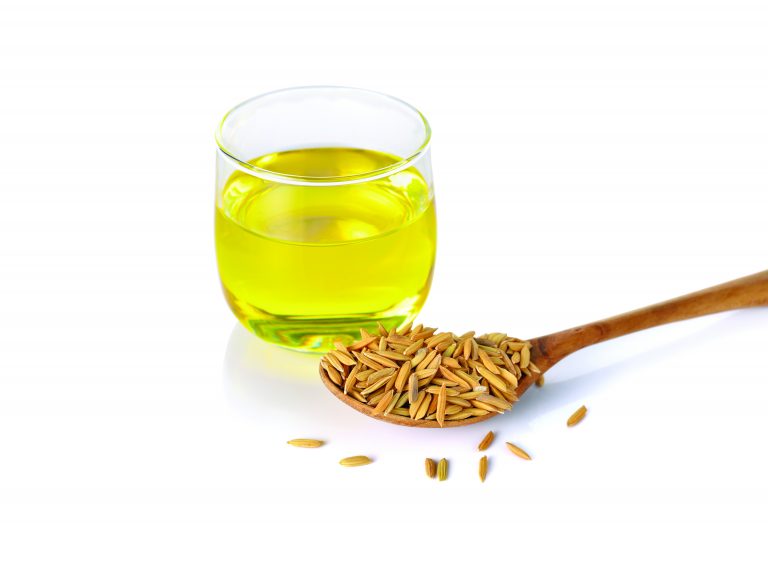
Palm oil tocotrienols have been offered commercially for the longest time, are high in gamma-tocotrienol and alpha-tocotrienol but have a lower level of delta-tocotrienol and very little beta-tocotrienol. Rice bran has high levels of gamma-tocotrienol and has a good amount of alpha-tocotrienol but does not contain delta- or beta-tocotrienol. Both of these products come naturally complexed with tocopherols, in both cases primarily alpha- and gamma-tocopherol. Tocotrienols sourced from annatto are very different; they have extremely low levels of supporting tocopherols and contain approximately 90 percent delta-tocotrienol and 10 percent gamma-tocotrienol.
The majority of the positive human research was done on palm oil tocotrienols, most likely because they have been available commercially the longest. There is also positive research in humans on rice bran tocotrienols, a great example of which is the aforementioned study on their cholesterol-lowering effects at a daily dose of 100 mg. Likewise, since the annatto source contains 90 percent delta tocotrienol, it may offer the benefits seen in the aforementioned study where delta tocotrienol provided neuroprotective effects in a mouse model of Parkinson’s disease (although this study used palm as a source of the delta-tocotrienol). Research has certainly demonstrated the anti-cancer benefits of annatto-sourced tocotrienols.
In any case, an important consideration is the vast majority of the positive human studies featured a mixture of the different forms (primarily alpha, delta and gamma) rather than a single form. Consequently, all the different forms of tocotrienols have benefits in human health.
Conclusion
Tocotrienols (alpha, beta, delta and gamma forms) are part of the vitamin E family and offer significant antioxidant effects. In addition, research has demonstrated further benefits in treating inflammation, cancer, cardiovascular disease, diabetes, as well as providing neuroprotective effects. Palm oil, rice bran oil and annatto are all commercial sources of tocotrienols, with each source offering various concentrations of the alpha, beta, delta and gamma forms. Considering the various benefits to human health that tocotrienols have to offer, the regular use of tocotrienols as part of an ongoing dietary supplement program makes sense for most people. VR
References:
1 Peh HY, et al. Vitamin E therapy beyond cancer: tocopherol versus tocotrienol. Pharmacol Ther. 2016;162, 152–169.
2 Kamal-Eldin A, Appelqvist LA. The chemistry and antioxidant properties of tocopherols and tocotrienols. Lipids 1996; 31:671–701.
3 Kamat JP, Devasagayam TPA. Tocotrienols from palm oil as potent inhibitors of lipid peroxidation and protein oxidation in rat brain mitochondria. Neuroscience Letters 1995; 195:179–82.
4 Khan MS, Khan MK, Siddiqui MH, Arif JM. An in vivo and in silico approach to elucidate the tocotrienol-mediated fortification against infection and inflammation induced alterations in antioxidant defense system. Eur Rev Med Pharmacol Sci. 2011 Aug;15(8):916-30.
5 Muthu, M.S. et al. Vitamin E TPGS coated liposomes enhanced cellular uptake and cytotoxicity of docetaxel in brain cancer cells. Int J Pharm. 2011;421: 332–340.
6 Schuchardt JP, et al. A combination of palm oil tocotrienols and citrus peel polymethoxylated flavones does not influence elevated LDL cholesterol and high-sensitivity C-reactive protein levels. Eur J Clin. Nutr. 2015; 69, 1209–1214.
7 Haghighat N, et al. The effects of tocotrienols added to canola oil on microalbuminuria, inflammation, and nitrosative stress in patients with type 2 diabetes: a randomized, double-blind, placebo-controlled trial. Int J Prev. Med. 2014; 5: 617–623.
8 Qureshi, A.A. et al. Nutritional supplement-5 with a combination of proteasome inhibitors (resveratrol, quercetin, -tocotrienol) modulate age-associated biomarkers and cardiovascular lipid parameters in human subjects. J Clin Exp Cardiolog 2013 Mar;4(3):238.
9 Drotleff AM, et al. HPLC separation of vitamin E and its oxidation products and effects of oxidized tocotrienols on the viability of MCF-7 breast cancer cells in vitro. J Agric Food Chem. 2015;63:8930–8939.
10 Zingg JM. Vitamin E: a role in signal transduction. Annu Rev Nutr. 2015;35:135–173.
11 Behery FA, et al. Redox-silent tocotrienol esters as breast cancer proliferation and migration inhibitors. Bioorg Med Chem. 2010;18:806–8075.
12 Sylvester PW, Shah SJ. Mechanisms mediating the antiproliferative and apoptotic effects of vitamin E in mammary cancer cells. Front Biosci. 2005;10:699–709.
13 Goh SH, Hew NF, Norhanom AW, Yadav M. Inhibition of tumour promotion by various palm-oil tocotrienols. Int J Cancer 1994; 57:529–31.
14 Yu W, Simmons-Menchaca M, Gapor A, et al. Induction of apoptosis in human breast cancer cells by tocopherols and tocotrienols. Nutr Cancer 1999; 33:26–32.
15 Mo H, Elson CE. Apoptosis and cell-cycle arrest in human and murine tumor cells are initiated by isoprenoids. J Nutr 1999; 129:804–13.
16 Nesaretnam K, Stephen R, Dils R, Darbre P. Tocotrienols inhibit the growth of human breast cancer cells irrespective of estrogen receptor status. Lipids 1998; 33:461–9.
17 He L, Mo H, Hadisusilo S, et al. Isoprenoids suppress the growth of murine B16 melanomas in vitro and in vivo. J Nutr 1997; 127:668–74.
18 McIntyre BS, Briski KP, Tirmenstein MA, et al. Antiproliferative and apoptotic effects of tocopherols and tocotrienols on normal mouse mammary epithelial cells. Lipids 2000; 35(2):171-80.
19 Guthrie N, Gapor A, Chambers AF, Carroll KK. Inhibition of proliferation of estrogen receptor-negative MDA-MB-435 and -positive MCF-7 human breast cancer cells by palm oil tocotrienols and tamoxifen, alone and in combination. Journal of Nutrition 1997; 127(3):544S-548S.
20 Nesaretnam K, Stephen R, Dils R, Darbre P. Tocotrienols inhibit the growth of human breast cancer cells irrespective of estrogen receptor status. Lipids 1998; 33:461–9.
21 Thomsen CB, Andersen RF, Steffensen KD, Adimi P, Jakobsen A. Delta tocotrienol in recurrent ovarian cancer. A phase II trial. Pharmacol Res. 2019 Jan 9;141:392-396.
22 Springett GM, Husain K, Neuger A, Centeno B, Chen DT, Hutchinson TZ, Lush RM, Sebti S, Malafa MP. A Phase I Safety, Pharmacokinetic, and Pharmacodynamic Presurgical Trial of Vitamin E δ-tocotrienol in Patients with Pancreatic Ductal Neoplasia. EBioMedicine. 2015 Nov 14;2(12):1987-95.
23 Theriault A, Chao JT, Wang Q, et al. A review of its therapeutic potential. Clin Biochem 1999;32:309–19.
24 Newaz M, Nawal N. Effect of gamma-tocotrienol on blood pressure, lipid peroxidation and total antioxidant status in spontaneously hypertensive rats (SHR). Clin Exp Hypertens. 1999;21:1297–1313.
25 Qureshi AA, et al. Novel tocotrienols of rice bran suppress cholesterogenesis in hereditary hypercholesterolemic swine. J Nutr. 2001;131:223–230.
26 Qureshi, A.A. et al. Nutritional supplement-5 with a combination of proteasome inhibitors (resveratrol, quercetin, -tocotrienol) modulate age-associated biomarkers and cardiovascular lipid parameters in human subjects. J Clin Exp Cardiolog 2013 Mar;4(3):238.
27 Magosso E, et al. Tocotrienols for normalisation of hepatic echogenic response in nonalcoholic fatty liver: a randomised placebo-controlled clinical trial. Nutr J. 2013:12:1.
28 Kooyenga D, et al. Palm oil antioxidant effects in patients with hyperlipidaemia and carotid stenosis-2 year experience. Asia Pac J Clin Nutr. 1997;6:72–75.
29 Qureshi AA, Sami SA, Salser WA, Khan FA. Dose-dependent suppression of serum cholesterol by tocotrienol-rich fraction (TRF25) of rice bran in hypercholesterolemic humans. Atherosclerosis. 2002 Mar;161(1):199-207.
30 Budin SB, et al. The effects of palm oil tocotrienol-rich fraction supplementation on biochemical parameters, oxidative stress and the vascular wall of streptozotocin-induced diabetic rats. Clinics. 2009;64:235–244.
31 Kuhad A, Chopra K. Tocotrienol attenuates oxidative–nitrosative stress and inflammatory cascade in experimental model of diabetic neuropathy. Neuropharmacology. 2009;57:456–462.
32 Tiwari V, et al. Chronic treatment with tocotrienol, an isoform of vitamin E, prevents intracerebroventricular streptozotocin-induced cognitive impairment and oxidative-nitrosative stress in rats. Pharmacol Biochem Behav. 2009;93:183–189.
33 Shirode AB, Sylvester PW. Synergistic anticancer effects of combined a-tocotrienol and celecoxib treatment are associated with suppression in Akt and NFkB signaling. Biomed Pharmacother. 2010;64:327–332.
34 Tiwari V, et al. Chronic treatment with tocotrienol, an isoform of vitamin E, prevents intracerebroventricular streptozotocin-induced cognitive impairment and oxidative-nitrosative stress in rats. Pharmacol Biochem Behav. 2009;93:183–189.
35 Kuhad A, Chopra K. Tocotrienol attenuates oxidative–nitrosative stress and inflammatory cascade in experimental model of diabetic neuropathy. Neuropharmacology. 2009;57:456–462.
36 Tan SMQ, Chiew Y, Ahmad B, Kadir KA. Tocotrienol-Rich Vitamin E from Palm Oil (Tocovid) and Its Effects in Diabetes and Diabetic Nephropathy: A Pilot Phase II Clinical Trial. Nutrients. 2018 Sep 17;10(9). pii: E1315. doi: 10.3390/nu10091315.
37 Frank J, Chin XW, Schrader C, Eckert GP, Rimbach G. Do tocotrienols have potential as neuroprotective dietary factors? Ageing Res Rev. 2012 Jan;11(1):163-80.
38 Nakaso K, Horikoshi Y, Takahashi T, Hanaki T, Nakasone M, Kitagawa Y, Koike T, Matsura T. Estrogen receptor-mediated effect of δ-tocotrienol prevents neurotoxicity and motor deficit in the MPTP mouse model of Parkinson’s disease. Neurosci Lett. 2016 Jan 1;610:117-22.
Gene Bruno, MS, MHS, the dean of academics for Huntington University of Health Sciences, is a nutritionist, herbalist, writer and educator. For more than 30 years he has educated and trained natural product retailers and health care professionals, has researched and formulated natural products for dozens of dietary supplement companies, and has written articles on nutrition, herbal medicine, nutraceuticals and integrative health issues for trade, consumer magazines and peer-reviewed publications. He can be reached at [email protected].

![[Extra! Extra!] Achieving Prediabetes Remission](https://vitaminretailer.com/wp-content/uploads/2026/03/BllodSugarMetabolicHealth-300x275-1774637379.jpg)