


According to the World Health Organization, “Healthy aging is the process of developing and maintaining the functional ability that enables well-being in older age.”1 Now consider that, as a person ages, they don’t just want more years in their life, they want more life in their years. In other words, they want to experience healthy aging. This is reflected in the fact that the Longevity Market Size was valued at $27.61 billion in 2025 and is projected to reach $67.03 billion by 2035, growing at a CAGR of 9.41 percent2 due to the high penetration of nutraceuticals.
This growth makes sense when you consider that a collaborative survey conducted by National Geographic magazine and AARP posed a question to survey participants: “Would you take a pill that immediately granted 10 bonus years of life?” Not surprisingly, about 75 percent of adults across all age ranges said they would be likely to do so. However, when the question was posed without an age guarantee, instead cited the promise of slower aging with extended health, the likelihood of taking the pill shot up to 85 percent of survey participants responding in the affirmative.3 This suggests that people are interested in using dietary supplements for healthy aging—which is why this article addresses the impact that spermidine and spermidine-rich rice germ extract has on healthy aging.
The Aging of America
Now, more than ever, Americans are interested in healthy aging. The reason for this has to do with the aging of America. In 2020, there were 55.8 million Americans age 65-plus, representing one in six people. This group grew 38.6 percent from 2010 to 2020, the fastest rate since the late 1800s.4 By 2024, the 65-plus population reached about 61 million (about 18 percent of the population).5 In fact, by 2030 all Baby Boomers will be 65-plus. Furthermore, by 2034 older adults will outnumber children for the first time in U.S. history.6 This is a structural shift in population composition. In short, the United States is experiencing rapid demographic aging, not gradual change.
What Causes Aging?
Now let’s examine what causes aging. As you might suspect, there is no single answer to this question. Rather, according to the latest scientific perspectives on this topic, data has outlined 12 hallmarks of aging which represent the biological process that drives aging.7 They are genomic instability, telomere attrition, epigenetic alterations, loss of proteostasis, disabled macroautophagy, deregulated nutrient-sensing, mitochondrial dysfunction, cellular senescence, stem cell exhaustion, altered intercellular communication, chronic inflammation and dysbiosis. Let’s take a closer look at seven of these hallmarks: disabled macroautophagy, loss of proteostasis, telomere attrition, genomic instability, mitochondrial dysfunction, cellular senenscence and chronic inflammation.
Disabled Macroautophagy
Cells continually do “housekeeping:” they recycle damaged proteins, worn-out organelles, and other cellular waste through a process called autophagy. Think of it as a self-cleaning mechanism. This is called autophagy. The most common type of autophagy is macroautophagy, but in this article we’ll just refer to it as autophagy. As we age, autophagy becomes less efficient or slows down, so damaged components build up inside cells. That accumulation contributes to dysfunction, stress and eventually to aging at the tissue or organ level.8
Loss of Proteostasis
Proteins are the workhorses inside cells, building structures, carrying out chemical reactions, transmitting signals and more. But proteins only work if they are correctly folded and maintained. This is necessary for those proteins to assume the correct shapes for proper functioning and to interact with appropriate cellular partners. Over time (or under stress), protein-folding and cleanup systems become less efficient. Misfolded or damaged proteins accumulate, clump together (known as aggregation), or simply fail to do their job. This “protein garbage” disturbs normal cell function, can kill cells, or trigger harmful stress responses—all of which contribute to aging.9,10
Telomere Attrition
Chromosomes, the structures that carry our genetic code, have protective “caps” at their ends called telomeres. Every time a cell divides, these caps get a little shorter. Over many divisions, the telomeres gradually shrink until they can no longer protect the chromosome. When that happens, the cell senses unsafe DNA ends, has trouble dividing, or may become dysfunctional. Over time this shortening reduces the ability of tissues to renew, contributing to overall aging.11
Genomic Instability
Our cells’ DNA is under constant threat from many sources. These include radiation, toxins, genetic copying errors, oxidative damage and everyday chemical reactions. Free radicals are often involved in oxidative damage to DNA (as well as lipids and proteins). In any case, over time, these insults accumulate and lead to mutations, breaks or chromosomal rearrangements. Because DNA guides every function in the cell, accumulated damage gradually undermines a cell’s ability to operate properly, which can lead to tissue dysfunction or diseases such as cancer.12,13
Mitochondrial Dysfunction
Mitochondria are the “power plants” inside our cells: they produce the energy (ATP) cells need to function. As we age, mitochondria become less efficient, their DNA can get damaged, their shape and dynamics may change, and their ability to generate clean energy declines. Moreover, dysfunctional mitochondria often produce more harmful byproducts (like reactive oxygen species), which can damage other cell parts. With less energy and more damage, cells gradually malfunction—accelerating aging across tissues.
Cellular Senescence
Cells sometimes respond to severe stress or damage by permanently stopping division—this is called senescence. Initially, this is protective (e.g., it prevents damaged cells from turning cancerous). But over time, the body becomes less efficient at clearing these “zombie” cells. They accumulate and secrete harmful signals: inflammatory molecules, tissue-remodeling factors, and other stress signals. Their presence disturbs neighboring healthy cells and tissues, impairing tissue maintenance, regeneration and function—accelerating aging.
Chronic Inflammation
Inflammation is deeply linked to aging. Here’s how it works. As we age, balance between pro- and anti-inflammatory signals gets disrupted; this tends to favor a chronic inflammatory state.14 This chronic inflammation worsens other aging processes. Chronic inflammation can damage or impair many cellular systems. For example, it can interfere with protein maintenance in cells, damage mitochondria, amplify DNA stress or cell senescence, and more. Even worse, chronic inflammation becomes a feedback loop because inflammation harms cells/tissues and the damage itself can provoke more inflammation. Over time this feedback accelerates aging (“inflammaging”) and increases the risk of age-related diseases (heart disease, neurodegeneration, frailty, cancer, etc.).
Now that you have a better understanding of seven of the hallmarks of aging, let’s examine the role that spermidine can play in helping to mitigate these hallmarks. But first, let’s answer the question, “What is spermidine?”
What Is Spermidine?
In the December 2025 issue of Vitamin Retailer, I wrote the article, “Autophagy & Senescence for Healthy Aging: The Role of Spermidine & Fisetin.” In that article, I discussed spermidine (I know, it’s a terrible name). I’m going to briefly repeat some of it here.
Spermidine belongs to a group of compounds called polyamines which also include spermine and putrescine (two other terrible names). These polyamines are synthesized in every living cell and are contained in foods, especially in those considered to contribute to health and longevity. They have many physiological activities like polyphenols, such as antioxidant and anti-inflammatory properties, cell and gene protection, and autophagy activation. Research has reported that increased polyamine intake (primarily spermidine) over a long period increased blood spermine levels and inhibited aging-associated pathologies and pro-inflammatory status in humans and mice, while also extended life span of mice.15 Now let’s answer the question, “What is spermidine-rich rice germ extract?”
What Is Spermidine-rich Rice Germ Extract?
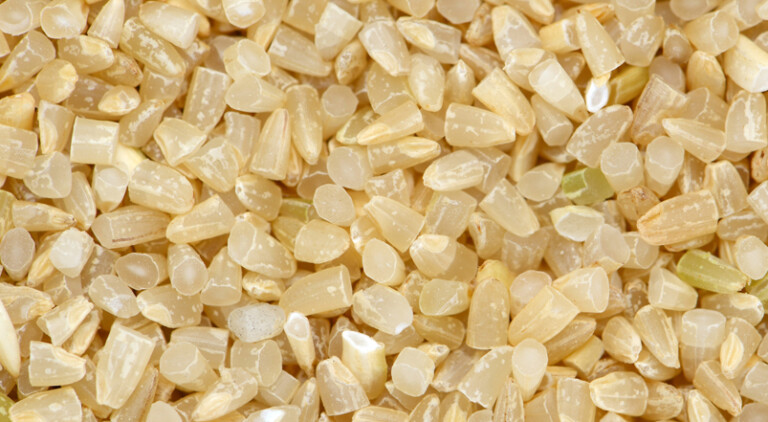
Rice germ is the nutrient-dense embryo (roughly 2 percent of the grain) that sprouts into a new plant, containing 30 percent or more of the total nutrients in rice.16 Rice germ is separated during the milling process that turns brown rice into white rice. Typically, the rice germ may then be integrated into animal feed or otherwise disposed of. However, at least one nutraceutical ingredient company (Nutraland USA) saves the rice germ and creates an extract from it. The extract (Miricell) provides a standardized source of spermidine, in addition to some of the other naturally occurring polyamines. Arguably, spermidine-rich rice germ extract is a superior source of spermidine.
Spermidine/Spermidine-rich Rice Germ Extract and Autophagy
Spermidine is best known for its ability to trigger autophagy.17-20 Nevertheless, it should be noted that all previous research on spermidine and autophagy is based upon in-vitro, animal or population studies. In other words, there were no published studies showing that a specific amount of spermidine increased markers of autophagy. All of this changed, however, and group of researchers and I conducted a pilot study on spermidine-rich rice germ extract.
We conducted this 56-day, single-blind pilot study21 at the Center for Applied Health Sciences (CAHS).22 This included the use of 3.3 mg of spermidine from Miricell rice germ extract (Nutraland USA) to healthy adult subjects, aged 30-65. This study examined two markers of autophagy—Beclin-1 and ULK-1. The results that the 3.3 mg dose of spermidine from Miricell resulted in a notable increase in Beclin-1 compared to baseline. Likewise, the 3.3 mg dose of spermidine resulted in a meaningful increase in ULK-1. Cleary these results demonstrated that this dose of spermidine from Miricell effectively increased markers of autophagy (Figure 1). These are groundbreaking results demonstrating that a specific dose spermidine from Miricell rice germ extract can measurably impact autophagy.
Spermidine for Proteostasis
Because spermidine increases autophagy, it may help cells get rid of damaged proteins and worn-out cell parts. This includes removing faulty mitochondria and proteins that are misshapen or no longer work properly.23 This cleanup process is essential for keeping cells balanced and healthy. By breaking down and recycling damaged or potentially harmful materials, autophagy prevents waste from building up inside cells—a problem that becomes more common with aging.24 In this way, spermidine may help cells maintain normal function over time.
Spermidine/Spermidine-rich Rice Germ Extract and Telomere Attrition
Studies25 in older mice have shown that adding spermidine to drinking water for six months helped protect telomeres, the protective caps at the ends of chromosomes that shorten as cells age. This finding suggests that spermidine may help support telomerase, the enzyme that helps maintain telomere length. In addition, a laboratory study26 commissioned by Nutraland USA examined human skin cells grown in culture and treated with spermidine-rich rice germ extract (Miricell). Under both normal conditions and conditions that cause cellular stress, cells treated with spermidine showed slower telomere shortening compared with untreated cells. Together, these findings suggest that helping preserve telomere length may be another way spermidine could support healthy aging at the cellular level.
Spermidine and Genomic Instability
When cells are exposed to oxidative stress—a type of damage caused by free radicals and other harmful molecules—spermidine has been shown to help protect their DNA. Studies have found that spermidine can reduce DNA damage and help cells continue dividing normally instead of shutting down.27 In animal studies where DNA damage was caused by cancer-related chemicals, treatment with spermidine reduced DNA damage in tissues and lowered the number of tumors that developed.28 These effects were linked to spermidine’s ability to reduce harmful oxidative molecules and support the cell’s natural DNA-repair systems. Similar protective effects have been seen in human stem cells grown in laboratory models. When spermidine or related compounds were added, markers of DNA damage decreased, even under stressful conditions.29
Overall, spermidine appears to lower levels of harmful molecules that cause oxidative stress and inflammation. By reducing this stress and helping cells repair and clean up damaged DNA, spermidine may help protect the stability of genetic material. Because DNA damage increases with age, these findings suggest spermidine could help counter one of the key processes involved in aging, at least in certain situations.30
Spermidine and Mitochondrial Dysfunction
Research31 shows that spermidine helps improve the function of mitochondria. In studies using human nerve cells from both young and older donors, spermidine increased the amount of energy made by cells, improved mitochondrial health, and reduced the buildup of harmful byproducts that can damage cells. Additionally, in studies32 of older mice, spermidine helped restore the number, structure, and function of mitochondria. It did this in part by boosting the cell’s natural cleanup process that removes damaged mitochondria, helping maintain better overall mitochondrial quality. Because declining energy production and increasing cellular damage are major contributors to aging, these findings suggest that spermidine may help counter one of the key biological processes involved in aging.33
Spermidine and Cellular Senescence
By promoting autophagy, lowering harmful oxidative stress, and supporting healthy energy production, spermidine may reduce the buildup of damage that causes cells to stop functioning normally as they age (senescence). Studies34 in mice have shown that spermidine can lower biological signs linked to cellular aging, meaning fewer cells show markers that indicate they have entered a worn-out or inactive state. In older mice, spermidine has also been shown to improve the ability of aging blood vessel cells to grow and repair blood vessels.35 Together, these findings suggest that spermidine may help limit the accumulation of aged, poorly functioning cells and support healthier tissue function during aging.
Spermidine/Spermidine-rich Rice Germ Extract and Chronic Inflammation
Research36 suggests spermidine has anti-inflammatory effects, as indicated by the fact that it can suppress inflammatory signaling (e.g. NF-κB, certain inflammatory cytokines) and reduce oxidative stress, both of which contribute to chronic low-grade inflammation seen in aging. Also, research37 with rats demonstrated that long-term treatment with spermidine enhanced autophagy in the brain and led to a diminished expression of several inflammatory markers. Of greater importance is that aforementioned pilot study using 3.3 mg of spermidine derived from Miricell rice germ extract found that, in addition to increasing autophagy markers, it also decreased C-reactive protein (hs-CRP), a prominent inflammatory marker, by 20 percent in human subjects.
Other Age-related Benefits Associated With Spermidine-rich Rice Germ Extract
Besides reducing makers for autophagy and inflammation, the aforementioned pilot study using 3.3 mg of spermidine derived from Miricell rice germ extract found that it also:
• Increased brain-derived neurotrophic factor (BDNF) by 12.05 percent. BDNF is an important molecule that helps brain cells survive and grow, supports communication between nerves and helps the brain adapt and form new connections—processes that are essential for learning and memory.38,39
• Decreased the cardiometabolic markers VLDL cholesterol and triglycerides compared to baseline (20.05 percent and 26.9 percent, respectively).
In addition, human clinical studies have shown that supplementation with spermidine has benefits for cognitive function. In one three-month study,40 1.9 mg or 3.3 mg of spermidine six days per week improved cognitive function/memory scores in 85 subjects (aged 60-96 years), especially in subjects with mild dementia. A similar three-month study41 using 1.2 mg/day of spermidine improved memory performance compared to placebo in 30 subjects with subjective cognitive decline (aged 60-80 years). Furthermore, a six-week, randomized, double-blind study, placebo-controlled study42 showed that 3.3 mg of spermidine derived from Miricell rice germ extract improved the percentage difference in cognitive function by 98 percent compared to placebo in 185 subjects (aged 45-83 years) who had mild cognitive dysfunction.
Conclusion
Research indicates that spermidine—and in some cases spermidine-rich rice germ extract specifically—can help address seven of the 12 hallmarks of aging. As such, spermidine/spermidine-rich rice germ extract may be one of the single most valuable nutraceuticals for promoting healthy aging.VR
References:
1 Maternal, newborn, child and adolescent health and aging. World Health Organization. Retrieved April 20, 2026 from https://platform.who.int/data/maternal-newborn-child-adolescent-ageing/ageing-data/ageing—healthy-ageing#:~:text=The percent20World percent20Health percent20Organization percent20(WHO) percent20defines percent20healthy,optimize percent20healthy percent20aging percent20over percent20the percent20life percent20course.
2 SNS Insider pvt ltd. Longevity Market Size is Projected to Reach USD 67.03 Billion by 2035 Caused by the Increasing Number of Age-related Concerns Globally | SNS Insider. yahoo!finance. April 10, 2026. Retrieved April 21, 2026 from https://finance.yahoo.com/sectors/healthcare/articles/longevity-market-size-projected-reach-124200526.html?guccounter=1&guce_referrer=aHR0cHM6Ly93d3cuZ29vZ2xlLmNvbS8&guce_referrer_sig=AQAAAKarNkwISF9XbVh2TZHoaHMjvweQjxc2xTZwLAnOolfb_viRdHhlN3J9F7BO69x-ZNZUo13jR0zdYByozWro1zAU_e3fi6Ed2WILZvWZGPFONvimxd0KSH-7Sh8cEQb–JXRnIYMojWGzkwQTyQsnD59X6mWxu-2YIbk4LPHCKnB.
3 Harrar S. It’s Time to Throw Out Stereotypes on Aging. Washington, DC: AARP. June 6, 2022. Retrieved December 14, 2022 from www.aarp.org/health/healthy-living/info-2022/aging-survey.html.
4 Older Population and Aging. United States Census Bureau. Retrieved April 20, 2026 from www.census.gov/topics/population/older-aging.html.
5 Pollack R. Caring for Older Americans Now and In the Future. American Hospital Association. October 31, 2025. Retrieved April 20, 2026 from www.aha.org/news/perspective/2025-10-31-caring-older-americans-now-and-future.
6 Older Population and Aging. United States Census Bureau. Retrieved April 20, 2026 from www.census.gov/topics/population/older-aging.html.
7 López-Otín C, Blasco MA, Partridge L, Serrano M, Kroemer G. Hallmarks of aging: An expanding universe. Cell. 2023 Jan 19;186(2):243-278. doi: 10.1016/j.cell.2022.11.001. Epub 2023 Jan 3. PMID: 36599349.
8 Autophagy. Cleveland Clinic. Last reviewed by a Cleveland Clinic medical professional on 08/23/2022. Retrieved May 24, 2023 from https://my.clevelandclinic.org/health/articles/24058-autophagy#:~:text=Autophagy percent20allows percent20your percent20body percent20to,potentially percent20preventing percent20and percent20fighting percent20disease.
9 López-Otín C, Blasco MA, Partridge L, Serrano M, Kroemer G. The hallmarks of aging. Cell. 2013 Jun 6;153(6):1194-217. doi: 10.1016/j.cell.2013.05.039. PMID: 23746838; PMCID: PMC3836174.
10 Spence AP. Biology of Human Aging, 2nd ed. Upper Saddle River, NJ: Prentice Hall; 1999.
11 Hayflick L. Theories of biological aging. Experimental Gerontology. 1985;20:145-159.
12 Fraser HC, Kuan V, Johnen R, Zwierzyna M, Hingorani AD, Beyer A, Partridge L. Biological mechanisms of aging predict age-related disease co-occurrence in patients. Aging Cell. 2022 Apr;21(4):e13524. doi: 10.1111/acel.13524. Epub 2022 Mar 8. PMID: 35259281; PMCID: PMC9009120.
13 Luce RA, Hopkins PB. Chemical Cross-Linking of Drugs to DNA. Methods in Enzymology. 2001; 340:396-412.
14 Baechle JJ, Chen N, Makhijani P, Winer S, Furman D, Winer DA. Chronic inflammation and the hallmarks of aging. Mol Metab. 2023 Aug;74:101755. doi: 10.1016/j.molmet.2023.101755. Epub 2023 Jun 15. PMID: 37329949; PMCID: PMC10359950.
15 Soda K. Overview of Polyamines as Nutrients for Human Healthy Long Life and Effect of Increased Polyamine Intake on DNA Methylation. Cells. 2022 Jan 4;11(1):164.
16 Rondanelli M, Miccono A, Peroni G, et al. Rice germ macro- and micronutrients: A new opportunity for the nutraceutics. Nat Prod Res. 2019:1–5. doi: 10.1080/14786419.2019.1660329. 17 Handa AK, Fatima T, Mattoo AK. Polyamines: biomolecules with diverse functions in plant and human health and disease. Front Chem. 2018; 6:10.
18 Eisenberg T, Knauer H, Schauer A, Buttner S, Ruckenstuhl C, Carmona-Gutierrez D, et al. Induction of autophagy by spermidine promotes longevity. Nat Cell Biol. 2009; 11:1305–14.
19 Kiechl S, Pechlaner R, Willeit P, Notdurfter M, Paulweber B, Willeit K, et al. Higher spermidine intake is linked to lower mortality: a prospective population-based study. Am J Clin Nutr. 2018; 108:371–80.
20 Soda K. Spermine and gene methylation: a mechanism of lifespan extension induced by polyamine-rich diet. Amino Acids. 2020 Feb;52(2):213-224.
21 Bruno G, La Monica M, Ziegenfuss TN. Effects of Spermidine-Rich Rice Germ Extract Supplement on Biomarkers of Healthy Aging and Autophagy-Proof-of-Concept Pilot Study. Altern Ther Health Med. 2025 Oct;31(6):9-13. PMID: 40862848.
22 La Monica M, Ziegenfuss TN. Effects of Spermidine Supplementation on Biomarkers of Healthy Aging and Autophagy. Biostatistical and Clinical Study Report. The Center for Applied Health Sciences. January 3, 2025. 71 pgs (unpublished).
23 Ni YQ, Liu YS. New Insights into the Roles and Mechanisms of Spermidine in Aging and Age-Related Diseases. Aging Dis. 2021 Dec 1;12(8):1948-1963. doi: 10.14336/AD.2021.0603. PMID: 34881079; PMCID: PMC8612618.
24 Madeo F, Eisenberg T, Pietrocola F, Kroemer G. Spermidine in health and disease. Science. 2018 Jan 26;359(6374):eaan2788. doi: 10.1126/science.aan2788. PMID: 29371440.
25 Wirth A, Wolf B, Huang CK, Glage S, Hofer SJ, Bankstahl M, Bär C, Thum T, Kahl KG, Sigrist SJ, Madeo F, Bankstahl JP, Ponimaskin E. Novel aspects of age-protection by spermidine supplementation are associated with preserved telomere length. Geroscience. 2021 Apr;43(2):673-690.
26 Study Report for Nutraland: In vitro proliferative and telomere length analysis (TAT). LifeLength. January 17, 2023: 23 pgs.
27 Kim DH, Kim JH, Hwangbo H, Kim SY, Ji SY, Kim MY, Cha HJ, Park C, Hong SH, Kim GY, Park SK, Jeong JW, Kim MY, Choi YH, Lee H. Spermidine Attenuates Oxidative Stress-Induced Apoptosis via Blocking Ca2+ Overload in Retinal Pigment Epithelial Cells Independently of ROS. Int J Mol Sci. 2021 Jan 29;22(3):1361. doi: 10.3390/ijms22031361. PMID: 33572992; PMCID: PMC7866386.
28 Coeli-Lacchini FB, da Silva G, Belentani M, Alves JSF, Ushida TR, Lunardelli GT, Garcia CB, Silva TA, Lopes NP, Leopoldino AM. Spermidine Suppresses Oral Carcinogenesis through Autophagy Induction, DNA Damage Repair, and Oxidative Stress Reduction. Am J Pathol. 2023 Dec;193(12):2172-2181. doi: 10.1016/j.ajpath.2023.09.005. Epub 2023 Sep 21. PMID: 37741450.
29 Minguzzi M, Guidotti S, Platano D, D’Adamo S, Cetrullo S, Assirelli E, Santi S, Mariani E, Trisolino G, Filardo G, Flamigni F, Borzì RM. Polyamine supplementation reduces DNA damage in adipose stem cells cultured in 3-D. Sci Rep. 2019 Oct 3;9(1):14269. doi: 10.1038/s41598-019-50543-z. PMID: 31582764; PMCID: PMC6776621.
30 Jeong JW, Cha HJ, Han MH, Hwang SJ, Lee DS, Yoo JS, Choi IW, Kim S, Kim HS, Kim GY, Hong SH, Park C, Lee HJ, Choi YH. Spermidine Protects against Oxidative Stress in Inflammation Models Using Macrophages and Zebrafish. Biomol Ther (Seoul). 2018 Mar 1;26(2):146-156. doi: 10.4062/biomolther.2016.272. PMID: 28365977; PMCID: PMC5839493.
31 Szabo L, Lejri I, Grimm A, Eckert A. Spermidine Enhances Mitochondrial Bioenergetics in Young and Aged Human-Induced Pluripotent Stem Cell-Derived Neurons. Antioxidants (Basel). 2024 Dec 4;13(12):1482. doi: 10.3390/antiox13121482. PMID: 39765811; PMCID: PMC11673406.
32 Messerer J, Wrede C, Schipke J, Brandenberger C, Abdellatif M, Eisenberg T, Madeo F, Sedej S, Mühlfeld C. Spermidine supplementation influences mitochondrial number and morphology in the heart of aged mice. J Anat. 2023 Jan;242(1):91-101. doi: 10.1111/joa.13618. Epub 2021 Dec 27. PMID: 34958481; PMCID: PMC9773166.
33 Hofer SJ, Liang Y, Zimmermann A, Schroeder S, Dengjel J, Kroemer G, Eisenberg T, Sigrist SJ, Madeo F. Spermidine-induced hypusination preserves mitochondrial and cognitive function during aging. Autophagy. 2021 Aug;17(8):2037-2039. doi: 10.1080/15548627.2021.1933299. Epub 2021 Jun 9. PMID: 34105442; PMCID: PMC8386697.
34 Baek AR, Hong J, Song KS, Jang AS, Kim DJ, Chin SS, Park SW. Spermidine attenuates bleomycin-induced lung fibrosis by inducing autophagy and inhibiting endoplasmic reticulum stress (ERS)-induced cell death in mice. Exp Mol Med. 2020 Dec;52(12):2034-2045. doi: 10.1038/s12276-020-00545-z. Epub 2020 Dec 14. PMID: 33318630; PMCID: PMC8080799.
35 Ueno D, Ikeda K, Yamazaki E, Katayama A, Urata R, Matoba S. Spermidine improves angiogenic capacity of senescent endothelial cells and enhances ischemia-induced neovascularization in aged mice. Sci Rep. 2023 May 23;13(1):8338. doi: 10.1038/s41598-023-35447-3. PMID: 37221395; PMCID: PMC10205711.
36 Ni YQ, Liu YS. New Insights into the Roles and Mechanisms of Spermidine in Aging and Age-Related Diseases. Aging Dis. 2021 Dec 1;12(8):1948-1963. doi: 10.14336/AD.2021.0603. PMID: 34881079; PMCID: PMC8612618.
37 Filfan M, Olaru A, Udristoiu I, Margaritescu C, Petcu E, Hermann DM, Popa-Wagner A. Long-term treatment with spermidine increases health span of middle-aged Sprague-Dawley male rats. Geroscience. 2020 Jun;42(3):937-949. doi: 10.1007/s11357-020-00173-5. Epub 2020 Apr 13. PMID: 32285289; PMCID: PMC7287009.
38 Bathina S, Das UN. Brain-derived neurotrophic factor and its clinical implications. Arch Med Sci. 2015 Dec 10;11(6):1164-78.
39 Bekinschtein P, Cammarota M, Katche C, Slipczuk L, Rossato JI, Goldin A, Izquierdo I, Medina JH. BDNF is essential to promote persistence of long-term memory storage. Proc Natl Acad Sci U S A. 2008 Feb 19;105(7):2711-6.
40 Pekar T, Bruckner K, Pauschenwein-Frantsich S, Gschaider A, Oppliger M, Willesberger J, Ungersbäck P, Wendzel A, Kremer A, Flak W, Wantke F, Jarisch R. The positive effect of spermidine in older adults suffering from dementia : First results of a 3-month trial. Wien Klin Wochenschr. 2021 May;133(9-10):484-491.
41 Wirth M, Benson G, Schwarz C, Köbe T, Grittner U, Schmitz D, Sigrist SJ, Bohlken J, Stekovic S, Madeo F, Flöel A. The effect of spermidine on memory performance in older adults at risk for dementia: A randomized controlled trial. Cortex. 2018 Dec;109:181-188.
42 Bruno G, et al. Summary of randomized, double-blind study, placebo-controlled study on the impact of Miricell rice germ extract standardized for spermidine on cognitive function in older adults. Radicle Science. Unpublished. 2025: 55 pgs.
Gene Bruno, DBM, MS, RH(AHG) Professor Emeritus of Nutraceutical Science, is a writer, educator and a nutraceutical scientist with more than 45 years of experience educating natural product retailers and health care professionals and formulating natural products for dozens of dietary supplement companies. He has written articles on nutrition, herbal medicine, nutraceuticals and integrative health issues for trade, consumer magazines and peer-reviewed publications. Bruno also hosts “The Vitamin Professor Podcast” brought to you by VRM Media. He can be reached at [email protected].