



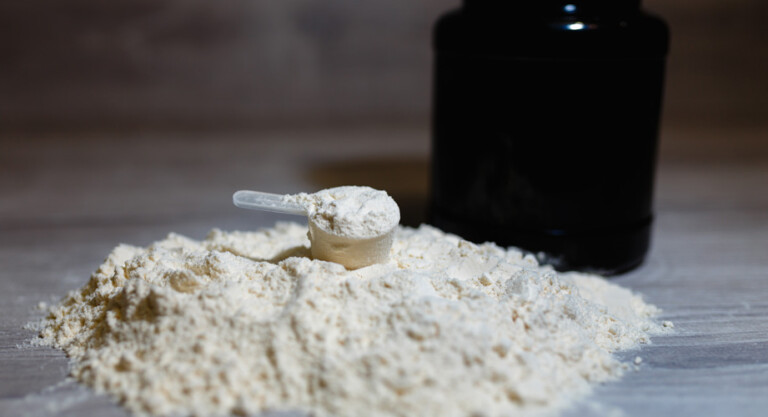
Most athletes have heard of creatine and its profound health benefits. Creatine has become one of the most popular performance supplements for athletes and avid weightlifters. It helps introduce more creatine to your body—a substance that plays a role in cellular health and aids in muscle growth. Of all creatine supplements, creatine monohydrate is the most commonly sold and studied.
Creatine is not only safe but also one of the world’s most popular and effective supplements for building muscle and strength. For men and women alike, a positive body image is something so many of us want to attain. That often begins with building muscle. Our bodies are equipped with different types of muscles, including skeletal, smooth, and cardiac muscles. Building muscle mass refers to the weight of the muscles in the body, or the total amount of muscle tissue—specifically, the size of the muscle fibers and the number of the fibers present in the muscle. Muscle mass plays a vital role in maintaining physical health, including strength, balance and metabolism. Including creatine in your supplement regimen will be a key factor in muscle growth.
What Is Creatine?
Creatine is a molecule stored in muscles that can help create energy. It is made naturally in the body from amino acids. A phosphate is added to the creatine molecule to create phosphocreatine. Phosphocreatine is the key component of the body’s “immediate” energy system and provides energy for about 10 seconds of high intensity activity. Once the phosphocreatine in the muscles has been used up, the body must switch to a different energy source while more phosphocreatine is formed. During repeated high-intensity exercise, the demand for phosphocreatine is greater than the supply. This limits physical performance. Increasing the amount of creatine in your muscles will increase the speed at which phosphocreatine is formed between exercise stints and improve overall performance.
Extensively studied for both its safety and efficacy, creatine’s benefits are supported by a significant body of research. Creatine helps to regenerate a molecule called adenosine triphosphate (ATP), your body’s main source of energy. When creatine stores in your muscles are depleted, the production of ATP comes to a screeching halt and your energy is dramatically decreased. Supplementing with creatine increases the available fuel to power ATP.
Additional creatine benefits for athletes include:
• Increase in muscle size: Creatine supplementation causes an increase in the water content of muscles. This is not due to an increase in the size of the muscle fibers. However, creatine can increase “real” fat free mass over time, as its strength and power-boosting properties allow higher quality training and thus, better gains.1
• Improved athletic performance: A large body of research shows that oral creatine supplementation can make an athlete faster and stronger when performing high intensity activity.2-5
Women and Creatine
Studies have shown that women can also benefit from creatine supplementation. Research indicates that female athletes who supplement with creatine experience significant improvements in muscle strength, endurance and overall athletic performance. Additionally, creatine has been shown to enhance recovery after exercise, reduce muscle damage and inflammation and promote lean muscle mass in women.
Creatine supplementation is also safe for women when taken in recommended doses. Research has shown that there are no gender-specific differences in creatine uptake or metabolism between men and women. It is important to note that women may require a lower dosage of creatine compared to men due to differences in body size, muscle mass, and hormonal levels.
Creatine supplementation can boost muscle mass and strength in women. Studies have shown that women who supplement with creatine may experience more lean muscle mass gains compared to men who do not supplement with the creatine. Furthermore, creatine supplementation in women has been associated with improved athletic performance. Female athletes who take creatine supplements see improvements in their sprint speed, power output and overall workout performance.
Studies also indicate that women may see the same gains in lean body mass as men when using a creatine supplement. According to a study published in the Journal of Strength and Conditioning Research, women who supplemented with creatine for 10 weeks saw a significant increase in lean body mass. Additionally, multiple studies show that creatine supplementation increases strength in both men and women. According to research published in The Journal of Applied Physiology, after taking creatine for eight weeks, women’s upper-body strength increased significantly. Women who took a creatine for 12 weeks exhibited an increase in lower body strength.
Cognitive and Blood Sugar Benefits
Several studies have found that creatine may enhance cognitive function in adults of all ages. In doses ranging from 20 grams per day for seven days to 5 grams per day for six weeks, creatine supplementation has been shown to improve the following areas of brain health:
• Executive function
• Working memory
• Processing speed
• Mood state
• Balance
• Oxygen usage in the brain
• Improvement in mental fatigue
Additionally, there is emerging evidence that suggests creatine may improve blood sugar levels and insulin sensitivity. This suggests creatine supplementation may be helpful for people with type 2 diabetes.
Research indicates that creatine’s impact on blood sugar may be due to its ability to improve the secretion of insulin—the hormone that helps move sugar from your blood to your cells. Creatine may also enhance GLUT-4, a glucose transporter that helps your muscle and fat cells take in glucose.
These benefits also appear to be greater when you pair creatine supplementation with regular exercise.
Additional creatine benefits include:
• Neuroprotective benefits: Studies show creatine can help protect the brain from oxidative stress and neurotoxins. This may provide therapeutic benefits for cognitive diseases like Parkinson’s, Huntington’s and Alzheimer’s.
• Improved mood and depression: By boosting brain creatine levels, research shows supplements may lessen symptoms of depression. This may also reduce fatigue and anxiety.
• Enhanced bone mineral density: Weight training and creatine supplements together can increase bone mineral content. This may help reduce the risk of osteoporosis.
• Anti-aging: Creatine may act as an anti-aging compound by preventing loss of muscle and bone mass as we age. This helps maintain strength, mobility and vitality.
Creatine has proven over decades of research to be one of the most effective and safe supplements for improving muscle strength and growth. The multitude of benefits, from athletic performance to cognitive health, make creatine a supplement with a wide range of benefits for both men and women. When taken correctly, creatine can help to significantly improve the results of your training and support overall health. It’s no surprise that creatine products remain one of the top selling supplements both online and in health food stores nationwide.VR
References:
1 Volek, J., Duncan, N., Mazetti, S., Staron, R., Putukian, M., Gomez, A., Pearce, D., Fink, W., Kraemer, W. Performance and muscle fiber adaptations to creatine supplementation and heavy resistance training. PT Clinical. 2013.
2 Prevost, M., Nelson, A., Morris, G. Creatine Supplementation Enhances Intermittent Work Performance. Exercise and Sport. Quarterly. V. 68, 1997.
3 Skare, O., Skadberg, O., Wisnes, A. Creatine Supplementation improves sprint performance in male sprinters. Scandinavian Journal of Medicine and Science in Sports. V. 11, Apr 2001.
4 Kreider, B., Ferreira, M., Micahel, W., Grindstaff, P., Plisk, S., Reinardy, J. Cantler, E., Alamada, A. Effects of creatine supplementation on body composition, strength, and sprint performance. V. 30. Sep 2007.
5 Juhn, M., Tarnopolsky, D., Maek, M. Oral Creatine Supplementation and Athletic Performance: A Critical Review. Clinical Journal of Sports Medicine. Oct 1998.
Mark Becker is a senior account executive for Vivion LLC, a raw materials distributor, based in Gardena, CA. He has worked as a natural products sales and marketing executive for 30 years. Becker has written more than 300 articles and has hosted or been a guest on more than 500 radio shows. He obtained a bachelor’s in journalism from Long Beach State University and did his Master’s work in communications at Cal State Fullerton. For more than 40 years he has participated in numerous endurance events, including more than 150 triathlons of Olympic distance or longer, 103 marathons and numerous other events including ultramarathons and rough water swims from Alcatraz to the mainland. He has relied on a comprehensive dietary supplement regimen to support his athletic, professional and personal endeavors. For more information, access www.Vivion.com or www.AlliedBionutrition.com.
![[Extra! Extra!] Innovations for Active Nutrition Supplements](https://vitaminretailer.com/wp-content/uploads/2026/02/ActiveNutrition-295x300-1771620897.jpg)