



Adaptogens are a class of herbs that can increase the body’s ability to adapt to stress, are limbic (emotional) brain tonics, tonify the stress axis (HPA axis) and support hormone, immune and cognitive health; essentially, they help the body adapt to stress (in its many forms). Adaptogens can promote an optimal physiological response to both internal and external stress and help with the body’s ability to “adapt” ideally to its environment. They can enhance the “state of non-specific resistance” in stress and are a unique class of healing plants, which help balance, restore and protect the body.
Adaptogens help you respond to any influence or stressor, normalizing your physiological functions.5 They are innocuous agents which nonspecifically increase resistance against physically, chemically, biologically and psychologically noxious factors (stressors), normalizing the effect independent of the nature of the pathological state.
How Do They Work?
Adaptogens can have a normalizing influence on physiology and can produce a nonspecific response in the body, which ultimately can help increase the power of resistance against multiple stressors, including physical, chemical or biochemical agents. Adaptogens seem to also increase attention and endurance in fatigue, and reduce stress-induced impairments and disorders related to the neuro-endocrine and immune systems.5,6
They seem to provide beneficial effects at the molecular level, as they can regulate homeostasis via several mechanism of actions which include:
• Regulating key mediators of the stress response (such as the hypothalamic-pituitary-adrenal axis)
• Increasing the state of non-specific resistance in stress
• Decreasing sensitivity to stressors
• Prolonging the phase of resistance (providing stimulatory effects)
• Regulating heat shock proteins, such as Hsp70 (which facilitate the synthesis and folding of proteins)
• Nitric oxide production (which supports healthy blood pressure and blood vessel health, as well as increase oxygenation of tissues, supporting energy production)
• Biosynthesis of ATP (supporting energy production and mitochondrial health)
• Beta-endorphin production (supporting healthy moods)
• Modulating liver enzyme levels and inflammatory pathways (which can support immune health, hormone health, cognitive function and healthy moods)
• Supporting healthy blood glucose levels (particularly related to stress induced changes).
The mechanisms of the action of adaptogens are specifically related to stress-protective activity and increased adaptability of the organism; adaptogens exhibit polyvalent beneficial effects against chronic inflammation, atherosclerosis, neurodegenerative cognitive impairment, metabolic disorders, cancer and other aging-related diseases
Studies on animals have found that adaptogens exhibit neuroprotective, anti-fatigue, anti-depressive, anxiolytic, nootropic and CNS stimulating activity. Numerous studies have found adaptogens to exert anti-fatigue effects that can increase mental work capacity particularly against stress, fatigue and mental exhaustion.5,6,8 Instead of exhaustion, a higher level of homeostasis is attained, which helps the individual better adapt to stress.
Several of the bioactive compounds found in adaptogens (such as withanolides, rosavins and ginsenosides) can help protect parts of the brain that are vulnerable to cortisol-induced damage including the hippocampus and cerebral cortex. They can also reduce oxidative damage to neurons in the brain, stimulate greater concentrations of antioxidant enzymes and neutralize free radical damage.
Another aspect of the neuroprotective effects of adaptogens are their ability to induce neurogenesis, which is thought to play a rehabilitative role in cognitive decline. Withanolide A, withaonsides IV and VI (which are found in ashwagandha) have been shown to increase neurogenesis and axonal length.4
Adaptogens can provide antioxidant benefits, which support not only cellular health but also play a role in modulating the inflammatory response and the immune system. The biological effects of adaptogens are mostly related to the biologically active compounds they contain. Plant adaptogens have very rich phytochemical composition which provide flavonoids, vitamins and terpenes to the individual taking them.5,6,7
How Long Should I Take Them?
You are likely going to be in a long-term committed relationship with adaptogens, as they are considered a tonic, meaning one should take them for an extended period of time. Generally, they are taken on and off over one’s whole life and overall, this class of botanicals can be considered to be one of the most important remedies for long-term systemic health.
What Are Some Starter Adaptogens I Can Take?
Depending on the needs of the individual, adaptogens can provide a more stimulative effect or a more sedative effect; therefore, it is important to address both short- and long-term goals, as well as acute and chronic health conditions and concerns in regard to supplementing with adaptogens.
Listed here are four adaptogens that can be incorporated into one’s health regimen:
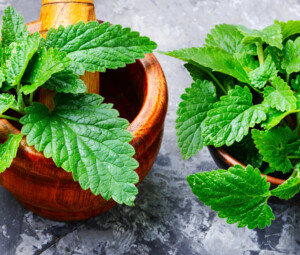
Holy Basil
Holy basil, or tulsi, has been used in ayurvedic cultures for more than 3,000 years to support mental and emotional health. Holy basil is used as an adaptogen herb and a nervine and is considered to be a tonic used to support the health of a person under stress in non-specific ways. Adaptogens influence the HPA (hypothalamic-pituitary-adrenal) axis and are used to positively address many nervous system issues, including the negative effects of excessive stress, anxiety, insomnia, depression and overwork. Many herbalists will consider holy basil as a rasayana, or an herb that nourishes a person’s growth to perfect health and promotes long life.
Holy basil can support the nervous system. In a two-month study, 35 patients with anxiety were given 500 mg of holy basil twice daily after meals. The final observations were that holy basil positively affected general anxiety levels as well as the stress and depression that accompany anxiety. The researchers concluded that holy basil may be useful in the treatment of GAD in humans. Holy basil is high in eugenol, a volatile constituent that has been shown to be a COX 2 inhibitor. Holy basil can support healthy blood glucose and insulin levels, which can be impacted by stress, as well as work as an immune modulator.1
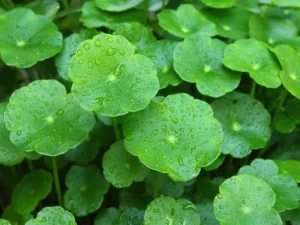
Gotu Kola
Gotu kola can support the limbic (emotional brain), which can regulate hormonal output. Gotu kola has been shown to modulate GABA, an inhibitory neurotransmitter that can induce feelings of relaxation. Gotu kola’s anti-aging effects on the brain are a result of increased neuronal branching, which strengthens the brain, creating more synapses between nerve cells, as well as improvement in free radical scavenging activity.2 This can result in reduction of oxidative stress and damage, which also makes it helpful for improving cognition and memory.
Additionally, Gotu kola has been shown to reduce β-amyloid protein plaque, prevent apoptosis of brain cells and reduce free radical concentrations.2
In Western herbalism it is used for mental fatigue, decreased cognitive abilities and reduced vitality, while traditional indications for Gotu kola in ayurvedic medicine include imbalances that are reflected in the head and brain.
Chaga
Chaga mushroom is many times referred to as “the mushroom of immortality” or “the king of medicinal mushrooms.” Chaga contains various phenolic compounds, such as polysaccharides, melanin and triterpenoids, which give this mushroom its many health benefits.3
Chaga is an adaptogen that can help to increase the body’s ability to resist and adapt to internal and external physical, mental and emotional stressors. As an adaptogen, chaga can support energy levels, hormone health and a healthy stress response through the HPA axis.
Chaga has immune modulating and antioxidant properties, due in part to its polysaccharide, which can support immune system functioning and a healthy inflammatory response. Chaga is considered to be a tonic, meaning one can take it daily and for an extended period of time.
As with most adaptogens, secondary metabolites (or plant compounds) can be produced in response to environmental stressors (such as extreme cold temperatures).
Betulinic acid in particular (a compound found in chaga, which it gets from the birch tree) has been studied for its influence on the immune system and its ability to induce apoptosis (or programmed cell death), which can protect cellular health.
The antioxidant effects in general of the mushroom may be partly responsible for the protection of cells against free radicals. Chaga is high in super-oxide dismutase (SOD), which is an enzyme that plays a role in phase II liver detoxification.
Several polysaccharides and phenolic compounds have been studied in chaga that have been found to induce changes in the gut microbiota and increase bacteroidetes, (a favorable bacteria) that can produce short chain fatty acids, which play an important role in GI (gastrointestinal) tract health and healthy moods.
Maca Root
Maca is considered an adaptogen and a tonic, which can help support energy levels, mental focus, as well as strength and libido. Maca is said to have a balancing effect on hormones such as LH, FSH, prolactin and testosterone, due to the alkaloids, which act on the HPA axis.
Maca is a member of the brassicace family and contains glucosinolates, which can support hormone health, as well as Isothiocyanates. Isothiocyanates in maca are thought to be responsible for maca’s aphrodisiac properties. Isothiocyanates have been shown to induce expression and activity of GSTs and other phase II detoxification/antioxidant enzymes, which is an important defense mechanism against oxidative stress and cellular damage.9 VR
References:
1 Bhattacharyya, D., Sur, T. K., Jana, U., & Debnath, P. K. (2008). Controlled programmed trial of Ocimum sanctum leaf on generalized anxiety disorders. Nepal Medical College Journal: NMCJ, 10(3), 176–179.
2 Dhanasekaran, M., Holcomb, L. A., Hitt, A. R., Tharakan, B., Porter, J. W., Young, K. A., & Manyam, B. V. (2009). Centella asiatica extract selectively decreases amyloid beta levels in hippocampus of Alzheimer’s disease animal model. Phytotherapy Research: PTR, 23(1), 14–19. https://doi.org/10.1002/ptr.2405.
3 Jayachandran, M., Xiao, J., & Xu, B. (2017). A Critical Review on Health Promoting Benefits of Edible Mushrooms through Gut Microbiota. International Journal of Molecular Sciences, 18(9), 1934. https://doi.org/10.3390/ijms18091934.
4 Kuboyama, T., Tohda, C., & Komatsu, K. (2006). Withanoside IV and its active metabolite, sominone, attenuate Aβ(25–35)-induced neurodegeneration. European Journal of Neuroscience, 23(6), 1417–1426. https://doi.org/10.1111/j.1460-9568.2006.04664.x.
5 Panossian, A., & Wikman, G. (2010). Effects of Adaptogens on the Central Nervous System and the Molecular Mechanisms Associated with Their Stress—Protective Activity. Pharmaceuticals, 3(1), 188–224. https://doi.org/10.3390/ph3010188.
6 Panossian, A., & Wikman, G. (2009). Evidence-based efficacy of adaptogens in fatigue, and molecular mechanisms related to their stress-protective activity. Current Clinical Pharmacology, 4(3), 198–219. https://doi.org/10.2174/157488409789375311.
7 Panossian, A., Wikman, G., & Wagner, H. (1999). Plant adaptogens. III. Earlier and more recent aspects and concepts on their mode of action. Phytomedicine: International Journal of Phytotherapy and Phytopharmacology, 6(4), 287–300. https://doi.org/10.1016/S0944-7113(99)80023-3.
8 Wagner, H., Nörr, H., & Winterhoff, H. (1994). Plant adaptogens. Phytomedicine: International Journal of Phytotherapy and Phytopharmacology, 1(1), 63–76. https://doi.org/10.1016/S0944-7113(11)80025-5.
9 Wang, S., & Zhu, F. (2019). Chemical composition and health effects of maca (Lepidium meyenii). Food Chemistry, 288, 422–443. https://doi.org/10.1016/j.foodchem.2019.02.071.
Brianna Diorio holds a PhD in integrative medicine from the University of Natural Medicine and is a clinical nutritionist with a Master’s of Science in Human Nutrition from the University of Bridgeport. She is also a functional diagnostic nutrition practitioner (FDN), an herbal practitioner through the Herbal Academy, a family herbalist through The School of Natural Healing, a NASM certified personal trainer, and a holistic lifestyle coach from the C.H.E.K Institute. Diorio is the host of the Brianna Approved Podcast, which is a podcast for people who like a holistic approach to real science and clinical research on all things nutrition, botanicals and balance. She currently works as a clinician with her private practice that specializes in alternative health, functional medicine and dietary supplements. Diorio works with a vast array of clients and businesses to educate and improve their health and dietary needs.