


There would be no human life on our planet without the reproductive power of the uterus. When my children were younger, I described the uterus as a warm and cozy nest. When the egg is fertilized, it is gently dropped into the nest to be protected and nurtured. It was a few more years before I explained exactly how the egg is fertilized, but that is another story entirely, and was a little more embarrassing to explain!
The lining of the uterus is called the endometrium. It changes sizes throughout the menstrual cycle, first thickening to prepare a soft and secure nest, and then, if there is no egg to nurture, it is shed through menstruation and the whole process starts over the next month. This is a singular capability to increase and decrease in size depending upon the needs of the body. Our human existence is incredibly complex and often downright mysterious.
Sometimes diseases are mysterious, too, and endometriosis is near the top of the list. For some reason, endometrial tissue starts to grow outside the uterus! Most of the time, this growth is on other parts of the structures in the pelvis, like ligaments that hold the uterus in place, the fallopian tubes, the ovaries, sometimes even the rectum and/or bladder. But on rare occasions, this tissue will grow even to the lungs and brain. Can you imagine if your heart tissue suddenly started to grow on your knee, or your brain tissue started growing on your elbow? Well, the places where endometrial tissue will grow is weird. I suspect that the reason endometrial tissue can grow in abnormal places compared to other tissue is because of its strength and flexibility in being able to grow larger and smaller to suit the body’s needs. The very brilliance of its unique capability is also the core problem when tissue growth is out of control.
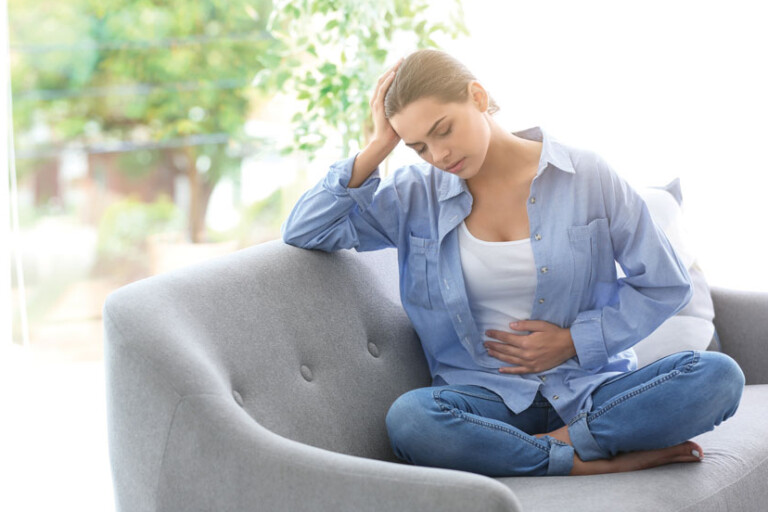
Women with endometriosis may have mild to no symptoms, and some women suffer miserably with this condition. About a third of women struggling with infertility have endometriosis. That does not always mean they will never be able to conceive, but it does mean that it may be harder and take longer. A common symptom of this disease is pelvic pain, ovulation pain, and/or menstrual pain. Weirdly, the endometrial tissue outside the uterus responds to menstrual signals and bleeds during menstruation, which can cause pain and trigger inflammation in other areas of the body, such as the intestines, bladder and low back.
Endometriosis can also increase the risk for ectopic pregnancies because the fertilized egg cannot get into the uterine nest and implants outside the nest, usually in the fallopian tube. Sadly, these pregnancies are not survivable for the mistakenly implanted egg and will also cause mortality to the mother if it is not addressed, because eventually the fallopian tube will rupture and cause internal bleeding. It is a very sad situation, especially in women already struggling with fertility.
Traditional treatments include surgery and hormone therapy—often estrogen blockers. Estrogen blockers may decrease the pain and proliferation of the endometrial tissue, but they put young women in premature menopause. Their bones can become thinner, and they can experience mood, hair and skin changes. I don’t judge anyone who is led to these decisions because of their pain and suffering, but I have to think there are better ways of helping women with endometriosis.
Inflammation and Curcumin
Whenever we talk about a chronic disease, we always end up talking about inflammation. Endometriosis can cause massive amounts of inflammation, and the best all-around natural anti-inflammatory is curcumin.
There are several studies on using curcumin to decrease inflammation and pain in endometriosis, but there are also a surprising number of studies that indicate that it does much more than that. Some research has shown that curcumin can reduce the abnormal blood vessel growth that can become entangled with endometrial tissue, while others have shown it can reduce cellular signaling that tells the endometrial tissue to grow in the first place.
If you choose to use curcumin, you should look for a clinically studied, enhanced absorption version. Otherwise, you may not be getting nearly the amount of curcumin on board to make a difference.
Grape Seed Extract and Aromatase
Grape seeds have some marvelous compounds, the most important of which are oligomeric proanthocyanidins (who names these things?), better known as OPCs. OPCs help with issues of excessive estrogen exposure, because estrogen is like dumping gas on a fire when it comes to endometriosis. Of course, we need our body’s own healthy estrogen, but we have exposure to very negative estrogens in environmental toxins (bisphenol-A [BPA] in plastics is one dangerous example), endocrine disrupting pesticides, and even our own fat cells. I am not saying you must be overweight to struggle with endometriosis, but it is true that women with obesity have higher risk rates of more severe disease. The OPCs in grape seed don’t bother our healthy estrogen. Instead, it reduces a process by which other compounds in our body are turned into estrogen. Some have described this activity as aromatase inhibition, and that is partially true. But drug aromatase inhibitors are quite strong and can have serious side effects, and quality grape seed extracts do not. I would rather call them aromatase modulators, because they do not block anything, they merely slow it down if it is overactive.
Please note that not all OPCs are absorbable. Only the smallest are beneficial. The largest, called tannins, are not dangerous but not absorbed, so you may want to look for a tannin-free grape seed extract for better absorbability.
Diindolylmethane (DIM) and Estrogen Safety
Again, who names these plant compounds? That is a very long name for an incredibly beneficial compound the precursor of which is found in cruciferous vegetables like cauliflower, cabbage and broccoli. So, eat a healthy diet, but note that you would have to consume two pounds or more of broccoli to get a therapeutic dose of DIM. That is why supplementation can be much more beneficial in this situation.
The research on DIM has been more on breast and cervical cancer, as well as cervical dysplasia, with preliminary studies on endometriosis. I include it because there are similarities in how estrogen metabolites can have a deleterious impact on health. Dysfunctional estrogens and pollutant estrogen lookalikes (called xenoestrogens) wreak havoc on our cell’s response to estrogenic signals. Just as dysfunctional estrogen exposure can cause breast cancer cells to proliferate, it can do the same for endometrial tissue in this disease.
DIM does not increase or decrease estrogen. It helps keep estrogen in the safest form, and assure it is metabolized down healthier pathways. I always say it is like the traffic police, waving cars around deep potholes and sending them down safer streets. Adding a quality DIM to your protocol can gradually turn the needle away from dysfunctional and more toward healthy and functional estrogen.
DIM is not well absorbed, and the most clinically studied form is BR-DIM (previously called BioResponse DIM). This form has enhanced absorption for more consistent benefits. But don’t forget to eat your broccoli and bok choy, too.
Circadian Rhythm, Endometriosis, Melatonin
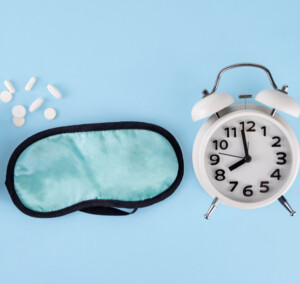
This last suggestion is surprising, as we think of melatonin as an effective sleep aid, and it is. However, more importantly, it is the major driver behind the circadian rhythm that rules our bodies, including the cycles of endometrial growth and proliferation.
In a recent randomized, placebo-controlled trial, women ages 18 to 45 diagnosed with endometriosis pelvic pain took either placebo or 10 mg of melatonin for eight weeks. The results were excellent. Women in the melatonin group had an average 40 percent reduction in pain scores, significant improvements in sleep quality, 38 percent reduction in painful menstruation, and were 80 percent less likely to have to take pain medicine.
Melatonin is an antioxidant, and there is always oxidative stress with this disease. It also upregulates and downregulates several pathways that can reduce the amount of abnormal endometrial tissue being produced or even already produced. Remember when I said the body is so complex? It turns out that melatonin is pretty complex itself, and capable of much more than previously thought.
Conclusion
These are dietary supplements that are able to help women with endometriosis. These products should not be used only around menstruation, when pain is often peaking, but every day as part of a healthy supplement regimen. If you are struggling with endometriosis, or you know someone with this condition, please know that while there is not yet a cure, there are so many choices that can make you feel much better, and slow or maybe even reverse some of the tissue overgrowth. Switch to organic whenever possible and do some reading on hidden xenoestrogen chemicals in our plastics, nail polish, baby toys, make up and more. Avoiding further exposure to these damaging chemicals can only mean good things for you! VR
Some references used
1 Vallée A, Lecarpentier Y. Curcumin and Endometriosis. Int J Mol Sci. 2020 Mar 31;21(7):2440. doi: 10.3390/ijms21072440. PMID: 32244563; PMCID: PMC7177778.
2 Arablou T, Kolahdouz-Mohammadi R. Curcumin and endometriosis: Review on potential roles and molecular mechanisms. Biomed Pharmacother. 2018 Jan;97:91-97. doi: 10.1016/j.biopha.2017.10.119. Epub 2017 Nov 6. PMID: 29080464.
3 Kamal DAM, Salamt N, Yusuf ANM, Kashim MIAM, Mokhtar MH. Potential Health Benefits of Curcumin on Female Reproductive Disorders: A Review. Nutrients. 2021 Sep 7;13(9):3126. doi: 10.3390/nu13093126. PMID: 34579002; PMCID: PMC8471428.
4 Meresman GF, Götte M, Laschke MW. Plants as source of new therapies for endometriosis: a review of preclinical and clinical studies. Hum Reprod Update. 2021 Feb 19;27(2):367-392. doi: 10.1093/humupd/dmaa039. PMID: 33124671.
5 Yalçın Bahat P, Ayhan I, Üreyen Özdemir E, İnceboz Ü, Oral E. Dietary supplements for treatment of endometriosis: A review. Acta Biomed. 2022 Mar 14;93(1):e2022159. doi: 10.23750/abm.v93i1.11237. PMID: 35315418; PMCID: PMC8972862.
6 Ding J, Mei S, Cheng W, Ni Z, Yu C. Curcumin treats endometriosis in mice by the HIF signaling pathway. Am J Transl Res. 2022 Apr 15;14(4):2184-2198. PMID: 35559378; PMCID: PMC9091111.
7 Jana S, Rudra DS, Paul S, Snehasikta S. Curcumin delays endometriosis development by inhibiting MMP-2 activity. Indian J Biochem Biophys. 2012 Oct;49(5):342-8. PMID: 23259320.
8 Kizilay G, Uz YH, Seren G, Ulucam E, Yilmaz A, Cukur Z, Kayisli UA. In vivo effects of curcumin and deferoxamine in experimental endometriosis. Adv Clin Exp Med. 2017 Mar-Apr;26(2):207-213. doi: 10.17219/acem/31186. PMID: 28791836.
9 Swarnakar S, Paul S. Curcumin arrests endometriosis by downregulation of matrix metalloproteinase-9 activity. Indian J Biochem Biophys. 2009 Feb;46(1):59-65. PMID: 19374255.
10 Cao H, Wei YX, Zhou Q, Zhang Y, Guo XP, Zhang J. Inhibitory effect of curcumin in human endometriosis endometrial cells via downregulation of vascular endothelial growth factor. Mol Med Rep. 2017 Oct;16(4):5611-5617. doi: 10.3892/mmr.2017.7250. Epub 2017 Aug 14. PMID: 28849024.
11 Clower L, Fleshman T, Geldenhuys WJ, Santanam N. Targeting Oxidative Stress Involved in Endometriosis and Its Pain. Biomolecules. 2022 Jul 29;12(8):1055. doi: 10.3390/biom12081055. PMID: 36008949; PMCID: PMC9405905.
12 Zhang Y, Cao H, Hu YY, Wang H, Zhang CJ. Inhibitory effect of curcumin on angiogenesis in ectopic endometrium of rats with experimental endometriosis. Int J Mol Med. 2011 Jan;27(1):87-94. doi: 10.3892/ijmm.2010.552. Epub 2010 Nov 8. PMID: 21069258.
13 Jana S, Paul S, Swarnakar S. Curcumin as anti-endometriotic agent: implication of MMP-3 and intrinsic apoptotic pathway. Biochem Pharmacol. 2012 Mar 15;83(6):797-804. doi: 10.1016/j.bcp.2011.12.030. Epub 2011 Dec 29. PMID: 22227273.
14 Singh A, Dasgupta S, Bhattacharya A, Mukherjee G, Chaudhury K. Therapeutic potential of curcumin in endometrial disorders: Current status and future perspectives. Drug Discov Today. 2022 Mar;27(3):900-911. doi: 10.1016/j.drudis.2021.11.010. Epub 2021 Nov 11. PMID: 34775103.
15 Martin BR. Multimodal Care for Headaches, Lumbopelvic Pain, and Dysmenorrhea in a Woman With Endometriosis: A Case Report. J Chiropr Med. 2021 Sep;20(3):148-157. doi: 10.1016/j.jcm.2021.10.002. Epub 2022 Jan 31. PMID: 35463839; PMCID: PMC9023129.
16 Huang W, Jin A, Zhang J, Wang C, Tsang LL, Cai Z, Zhou X, Chen H, Chan HC. Upregulation of CFTR in patients with endometriosis and its involvement in NFκB- uPAR dependent cell migration. Oncotarget. 2017 Mar 22;8(40):66951-66959. doi: 10.18632/oncotarget.16441. PMID: 28978008; PMCID: PMC5620148.
17 Wahner-Roedler DL, Bauer BA, Loehrer LL, Cha SS, Hoskin TL, Olson JE. The effect of grape seed extract on estrogen levels of postmenopausal women: a pilot study. J Diet Suppl. 2014 Jun;11(2):184-97. doi: 10.3109/19390211.2013.859220. PMID: 24670122; PMCID: PMC4932855.
18 Abroodi Z, Sajedi N, Nikbakht M, Soleimani M. Estrogen Receptor Beta (ERβ) May Act as Mediator in Apoptotic Induction of Grape Seed Extract (GSE). Asian Pac J Cancer Prev. 2019 Dec 1;20(12):3729-3734. doi: 10.31557/APJCP.2019.20.12.3729. PMID: 31870115; PMCID: PMC7173385.
19 Kijima I, Phung S, Hur G, Kwok SL, Chen S. Grape seed extract is an aromatase inhibitor and a suppressor of aromatase expression. Cancer Res. 2006 Jun 1;66(11):5960-7. doi: 10.1158/0008-5472.CAN-06-0053. PMID: 16740737.
20 Rameshrad M, Imenshahidi M, Razavi BM, Iranshahi M, Hosseinzadeh H. Bisphenol A vascular toxicity: Protective effect of Vitis vinifera (grape) seed extract and resveratrol. Phytother Res. 2018 Dec;32(12):2396-2407. doi: 10.1002/ptr.6175. Epub 2018 Aug 16. PMID: 30113097.
21 Kakaiy A, Ayen E, Sadrkhanlou R, Sarrafzadeh Rezaei F. Comparing protective effect of grape seed extract versus atorvastatin on endometriosis in rat model: Evidence for immunohistochemical and biochemical alterations. Vet Res Forum. 2015 Spring; 6(2):101-10. Epub 2015 Jun 15. PMID: 26261704; PMCID: PMC4522522.
22 Abdou HM, Abd Elkader HAE, El-Gendy AH, Eweda SM. Neurotoxicity and neuroinflammatory effects of bisphenol A in male rats: the neuroprotective role of grape seed proanthocyanidins. Environ Sci Pollut Res Int. 2022 Feb;29(6):9257-9268. doi: 10.1007/s11356-021-16311-1. Epub 2021 Sep 9. PMID: 34505250.
23 Allen SV, Pruthi S, Suman VJ, Hoskin TL, Vachon CM, Ingle JN, Olson JE. Evaluation of the Aromatase Inhibition Potential of Freeze-Dried Grape Powder. J Diet Suppl. 2015 Dec;12(4):373-382. doi: 10.3109/19390211.2014.952863. Epub 2014 Aug 28. PMID: 25167077; PMCID: PMC4873455.
24 Acharya A, Das I, Singh S, Saha T. Chemopreventive properties of indole-3-carbinol, diindolylmethane and other constituents of cardamom against carcinogenesis. Recent Pat Food Nutr Agric. 2010 Jun;2(2):166-77. doi: 10.2174/2212798411002020166. PMID: 20653562.
25 Morales-Prieto DM, Herrmann J, Osterwald H, Kochhar PS, Schleussner E, Markert UR, Oettel M. Comparison of dienogest effects upon 3,3’-diindolylmethane supplementation in models of endometriosis and clinical cases. Reprod Biol. 2018 Sep;18(3):252-258. doi: 10.1016/j.repbio.2018.07.002. Epub 2018 Jul 9. PMID: 30001982.
26 Rajoria S, Suriano R, George A, Shanmugam A, Schantz SP, Geliebter J, Tiwari RK. Estrogen induced metastatic modulators MMP-2 and MMP-9 are targets of 3,3’-diindolylmethane in thyroid cancer. PLoS One. 2011 Jan 18;6(1):e15879. doi: 10.1371/journal.pone.0015879. PMID: 21267453; PMCID: PMC3022654.
27 Rajoria S, Suriano R, Parmar PS, Wilson YL, Megwalu U, Moscatello A, Bradlow HL, Sepkovic DW, Geliebter J, Schantz SP, Tiwari RK. 3,3’-diindolylmethane modulates estrogen metabolism in patients with thyroid proliferative disease: a pilot study. Thyroid. 2011 Mar;21(3):299-304. doi: 10.1089/thy.2010.0245. Epub 2011 Jan 22. PMID: 21254914; PMCID: PMC3048776.
28 Vivar OI, Saunier EF, Leitman DC, Firestone GL, Bjeldanes LF. Selective activation of estrogen receptor-beta target genes by 3,3’-diindolylmethane. Endocrinology. 2010 Apr;151(4):1662-7. doi: 10.1210/en.2009-1028. Epub 2010 Feb 16. PMID: 20160136; PMCID: PMC2850231.
29 Mulvey L, Chandrasekaran A, Liu K, Lombardi S, Wang XP, Auborn KJ, Goodwin L. Interplay of genes regulated by estrogen and diindolylmethane in breast cancer cell lines. Mol Med. 2007 Jan-Feb;13(1-2):69-78. doi: 10.2119/2006-00038.Mulvey. PMID: 17515958; PMCID: PMC1869626.
30 Wang TT, Milner MJ, Milner JA, Kim YS. Estrogen receptor alpha as a target for indole-3-carbinol. J Nutr Biochem. 2006 Oct;17(10):659-64. doi: 10.1016/j.jnutbio.2005.10.012. Epub 2005 Nov 28. PMID: 16488130.
31 Marques M, Laflamme L, Benassou I, Cissokho C, Guillemette B, Gaudreau L. Low levels of 3,3’-diindolylmethane activate estrogen receptor α and induce proliferation of breast cancer cells in the absence of estradiol. BMC Cancer. 2014 Jul 21;14:524. doi: 10.1186/1471-2407-14-524. PMID: 25048790; PMCID: PMC4223525.
32 Sepkovic DW, Stein J, Carlisle AD, Ksieski HB, Auborn K, Bradlow HL. Diindolylmethane inhibits cervical dysplasia, alters estrogen metabolism, and enhances immune response in the K14-HPV16 transgenic mouse model. Cancer Epidemiol Biomarkers Prev. 2009 Nov;18(11):2957-64. doi: 10.1158/1055-9965.EPI-09-0698. Epub 2009 Oct 27. Erratum in: Cancer Epidemiol Biomarkers Prev. 2010 Feb;19(2):628. PMID: 19861518; PMCID: PMC2783856.
33 Minich DM, Bland JS. A review of the clinical efficacy and safety of cruciferous vegetable phytochemicals. Nutr Rev. 2007 Jun;65(6 Pt 1):259-67. doi: 10.1301/nr.2007.jun.259-267. PMID: 17605302.
34 Weng JR, Tsai CH, Kulp SK, Chen CS. Indole-3-carbinol as a chemopreventive and anti-cancer agent. Cancer Lett. 2008 Apr 18;262(2):153-63. doi: 10.1016/j.canlet.2008.01.033. Epub 2008 Mar 7. PMID: 18314259; PMCID: PMC2814317.
35 Leong H, Firestone GL, Bjeldanes LF. Cytostatic effects of 3,3’-diindolylmethane in human endometrial cancer cells result from an estrogen receptor-mediated increase in transforming growth factor-alpha expression. Carcinogenesis. 2001 Nov;22(11):1809-17. doi: 10.1093/carcin/22.11.1809. PMID: 11698343.
36 Rogan EG. The natural chemopreventive compound indole-3-carbinol: state of the science. In Vivo. 2006 Mar-Apr;20(2):221-8. PMID: 16634522.
37 Jin Y. 3,3’-Diindolylmethane inhibits breast cancer cell growth via miR-21-mediated Cdc25A degradation. Mol Cell Biochem. 2011 Dec;358(1-2):345-54. doi: 10.1007/s11010-011-0985-0. Epub 2011 Jul 15. PMID: 21761201.
38 Ness TJ (June 2013). “Not always lost in translation”. Pain. Ovid Technologies (Wolters Kluwer Health). 154 (6): 775. doi:10.1016/j.pain.2013.03.022. PMID 23582150. S2CID 39113105.
39 Chuffa LGA, Lupi LA, Cucielo MS, Silveira HS, Reiter RJ, Seiva FRF. Melatonin Promotes Uterine and Placental Health: Potential Molecular Mechanisms. Int J Mol Sci. 2019 Dec 31;21(1):300. doi: 10.3390/ijms21010300. PMID: 31906255; PMCID: PMC6982088.
40 Cheng J, Yang HL, Gu CJ, Liu YK, Shao J, Zhu R, He YY, Zhu XY, Li MQ. Melatonin restricts the viability and angiogenesis of vascular endothelial cells by suppressing HIF-1α/ROS/VEGF. Int J Mol Med. 2019 Feb;43(2):945-955. doi: 10.3892/ijmm.2018.4021. Epub 2018 Dec 10. PMID: 30569127; PMCID: PMC6317691.
41 Mosher AA, Tsoulis MW, Lim J, Tan C, Agarwal SK, Leyland NA, Foster WG. Melatonin activity and receptor expression in endometrial tissue and endometriosis. Hum Reprod. 2019 Jul 8;34(7):1215-1224. doi: 10.1093/humrep/dez082. PMID: 31211323; PMCID: PMC6613342.
42 Weber ML, Germeyer A. Endometriose und Klimakterisches Syndrom [Endometriosis and Menopause]. Ther Umsch. 2021;78(8):441-446. German. doi: 10.1024/0040-5930/a001295. PMID: 34555977.
43 Chen P, Zhao DX, Chen L, Su CH, Ji YJ, Wang DW. Effect of melatonin for the management of endometriosis: A protocol of systematic review and meta-analysis. Medicine (Baltimore). 2020 May 29;99(22):e20353. doi: 10.1097/MD.0000000000020353. PMID: 32481415.
44 Hung SW, Zhang R, Tan Z, Chung JPW, Zhang T, Wang CC. Pharmaceuticals targeting signaling pathways of endometriosis as potential new medical treatment: A review. Med Res Rev. 2021 Jul;41(4):2489-2564. doi: 10.1002/med.21802. Epub 2021 May 5. PMID: 33948974; PMCID: PMC8252000.
45 Yang HL, Zhou WJ, Gu CJ, Meng YH, Shao J, Li DJ, Li MQ. Pleiotropic roles of melatonin in endometriosis, recurrent spontaneous abortion, and polycystic ovary syndrome. Am J Reprod Immunol. 2018 Jul;80(1):e12839. doi: 10.1111/aji.12839. Epub 2018 Mar 1. PMID: 29493042.
46 Paul S, Bhattacharya P, Das Mahapatra P, Swarnakar S. Melatonin protects against endometriosis via regulation of matrix metalloproteinase-3 and an apoptotic pathway. J Pineal Res. 2010 Sep;49(2):156-68. doi: 10.1111/j.1600-079X.2010.00780.x. Epub 2010 Jul 1. PMID: 20609072.
47 Yildirim G, Attar R, Ozkan F, Kumbak B, Ficicioglu C, Yesildaglar N. The effects of letrozole and melatonin on surgically induced endometriosis in a rat model: a preliminary study. Fertil Steril. 2010 Apr;93(6):1787-92. doi: 10.1016/j.fertnstert.2009.09.021. Epub 2009 Oct 29. PMID: 19878935.
48 Qi S, Yan L, Liu Z, Mu YL, Li M, Zhao X, Chen ZJ, Zhang H. Melatonin inhibits 17β-estradiol-induced migration, invasion and epithelial-mesenchymal transition in normal and endometriotic endometrial epithelial cells. Reprod Biol Endocrinol. 2018 Jun 23;16(1):62. doi: 10.1186/s12958-018-0375-5. PMID: 29935526; PMCID: PMC6015458.
49 Clower L, Fleshman T, Geldenhuys WJ, Santanam N. Targeting Oxidative Stress Involved in Endometriosis and Its Pain. Biomolecules. 2022 Jul 29;12(8):1055. doi: 10.3390/biom12081055. PMID: 36008949; PMCID: PMC9405905.
50 Schwertner A, Conceição Dos Santos CC, Costa GD, Deitos A, de Souza A, de Souza IC, Torres IL, da Cunha Filho JS, Caumo W. Efficacy of melatonin in the treatment of endometriosis: a phase II, randomized, double-blind, placebo- controlled trial. Pain. 2013 Jun;154(6):874-81. doi: 10.1016/j.pain.2013.02.025. Epub 2013 Mar 5. PMID: 23602498.
51 Harlev A, Gupta S, Agarwal A. Targeting oxidative stress to treat endometriosis. Expert Opin Ther Targets. 2015;19(11):1447-64. doi: 10.1517/14728222.2015.1077226. Epub 2015 Aug 10. PMID: 26256952.
52 Kocadal NÇ, Attar R, Yıldırım G, Fıçıcıoğlu C, Ozkan F, Yılmaz B, Yesildaglar N. Melatonin treatment results in regression of endometriotic lesions in an ooferectomized rat endometriosis model. J Turk Ger Gynecol Assoc. 2013 Jun 1;14(2):81-6. doi: 10.5152/jtgga.2013.53179. PMID: 24592080; PMCID: PMC3881748.
53 Paul S, Sharma AV, Mahapatra PD, Bhattacharya P, Reiter RJ, Swarnakar S. Role of melatonin in regulating matrix metalloproteinase-9 via tissue inhibitors of metalloproteinase-1 during protection against endometriosis. J Pineal Res. 2008 May;44(4):439-49. doi: 10.1111/j.1600-079X.2007.00547.x. Epub 2008 Feb 19. PMID: 18298469.
54 Güney M, Oral B, Karahan N, Mungan T. Regression of endometrial explants in a rat model of endometriosis treated with melatonin. Fertil Steril. 2008 Apr;89(4):934-42. doi: 10.1016/j.fertnstert.2007.04.023. Epub 2007 Jun 19. PMID: 17582405.
55 Yilmaz B, Kilic S, Aksakal O, Ertas IE, Tanrisever GG, Aksoy Y, Lortlar N, Kelekci S, Gungor T. Melatonin causes regression of endometriotic implants in rats by modulating angiogenesis, tissue levels of antioxidants and matrix metalloproteinases. Arch Gynecol Obstet. 2015 Jul;292(1):209-16. doi: 10.1007/s00404-014-3599-4. Epub 2014 Dec 19. PMID: 25524539.
56 Söderman L, Edlund M, Böttiger Y, Marions L. Adjuvant use of melatonin for pain management in dysmenorrhea – a randomized double-blinded, placebo- controlled trial. Eur J Clin Pharmacol. 2022 Feb;78(2):191-196. doi: 10.1007/s00228-021-03234-6. Epub 2021 Oct 20. PMID: 34668986; PMCID: PMC8748326.
Cheryl Myers is an integrative health nurse, author, and an expert on natural medicine. She is a nationally recognized speaker who has been interviewed by the New York Times, Wall Street Journal and Prevention magazine. Her many articles have been published in such diverse journals as Aesthetic Surgery Journal and Nutrition in Complementary Care, and her research on botanicals has been presented at the American College of Obstetrics and Gynecology and the North American Menopause Society. Myers is the head of scientific affairs and education for EuroPharma, Inc.