

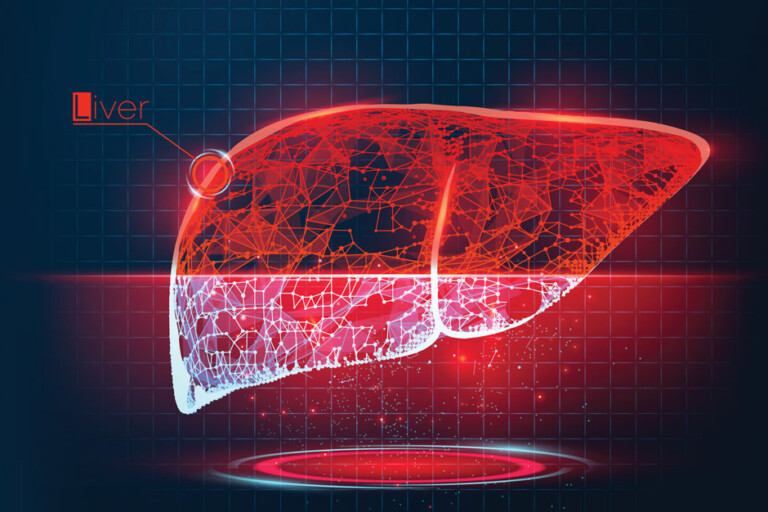
Detoxification is a process that is imperative to our overall well-being; however, the concept of detoxification has become hijacked by the health industry. As Edzard Ernst, professor of complementary medicine at the University of Exeter put it, the concept of detoxing is the marketing equivalent of drawing go faster stripes on your car. And while the global detox product market is valued at roughly 68 billion dollars, we are still seeing a plethora of lifestyle-related diseases such as obesity, heart disease and liver cirrhosis, so what gives?
Detoxification 101
Before we dive into supporting detoxification in the body, we must first understand what encompasses detoxification as a whole. It is important to note that detoxification is not one reaction, but rather a process that involves many reactions and multiple enzymes, organs and substrates; it also is a process that happens on its own every single day.
Detoxification is the body’s way of eliminating or neutralizing toxins, using the liver, kidneys, urine, feces, exhalation and perspiration. It involves the mobilization, biotransformation and elimination of exogenous and endogenous toxins, meaning things we are exposed to from the outside world and natural components of everyday metabolic processes internally in the body. It is a complex process that is under the influence of various enzymes, vitamins, minerals, and dietary and lifestyle factors.
There are various pillars that can play a role in how efficiently the detoxification system works in the body, which includes:
• The extent or length of your exposure to toxins
• The ability of your body to neutralize or excrete toxins
• Your capacity to support and build up different detoxification organs
Organs of Detoxification
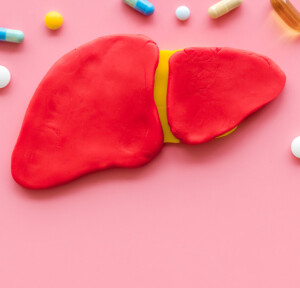
The process of supporting healthy detoxification is a bit like creating a roster for a sports team, you need different players with different skill sets; detoxification truly is a team effort. When most people think of detoxification they mostly think of the liver, and while this is one of the all-star players of detoxification, it is not the only player.
Your main detoxification organs are your liver and kidneys, as well as your lymphatic system, colon, lungs and skin. Each organ works to neutralize and eliminate waste (often referred to as toxins) that have been produced via natural metabolic processes, as well as from toxin exposure from our daily dietary and lifestyle choices. Other forms of “toxins” that can impact our detoxification capacities include heavy metals, alcohol, pesticides, BPAs, cleaning products, OTCs (over-the-counters), poor quality supplements, unfiltered water, and even our makeup, skin, hair and cosmetic products.
Since we now live in a world where our “toxic buckets’’ can become more easily filled, we must either minimize our exposure and absorption to said toxins in the first place, develop a routine to support all of our detoxification organs daily, or some combination of both.
Elimination Routes
You can think of these elimination routes (aka our various detoxification organs) as a major highway and the waste products, toxins and chemicals that you are exposed to (that you ideally want to move out of your body) like cars.
If there are more lanes open, or we are supporting as many of these detoxification organs as possible on any given day, then the “cars” (aka toxins) can move faster. However, if the lanes are closed due to poor liver function, a congested lymphatic system, improper colon, kidney, skin and lung health, then this can truly lead to a traffic jam and cause backups.
This might manifest as skin issues, such as acne and psoriasis flare-ups, feeling bloated and sluggish with water retention, edema and swelling, hormonal imbalances, poor sleep, “brain fog” symptoms, severe PMS symptoms, allergies, sensitivity to bright lights and smells, headaches and inconsistent bowel movements.
Holistically Support Detoxification
There are many things you can do to naturally support detoxification that does not require going on a 14-day juice cleanse or anything that may be short-term or compensatory in nature.
1. Focus on the basics:
You cannot “detox” your way out of compounded unhealthy habits. This means that if you have been living a less than stellar lifestyle for the past several months or years, utilizing a “detox” program as a quick fix won’t really work. Focus on getting back to the fundamental health principles that can support overall wellness and all of the detoxification organs, such as getting adequate amounts of sleep, consuming filtered water and do an audit of all of your cleaning, beauty and skin care products. You can also work on avoiding or minimizing exposure to other exogenous toxins that are in your control, such as alcohol, pesticides, plastics and non-stick cookware to name a few.
Extra credit if you can support your body’s lymphatic system, which plays a role in transporting and removing metabolic cellular waste, dead cells and toxins via lymphatic fluid. You can support the lymph system by including cupping and acupuncture into your routine, as well as getting a massage, rebounding, dry-brushing, using a sauna two to three times a week, utilizing castor oil packs and sweating it out at the gym.
2. Use Bitter Herbs:
Bitter herbs, such as dandelion, gentian root, artichoke leaf, burdock root, bitter melon, milk thistle, cardamon seed, bitter orange peel and even ginger root and fennel seed, can all be beneficial in supporting the detoxification organs and pathways. The secondary compounds found in bitters, such as alkaloids, tannins and flavonoids, can support liver and gallbladder health and can protect and promote liver cell regeneration. They can help to increase bile flow (an important player in the detoxification dance), stimulate the secretion of digestive juices, provide antioxidant support and promote detoxification. You can use digestive bitters throughout the day to support detoxification in a tincture form, such as Swedish bitters.
3. Support Phase 1 and Phase II Liver Detoxification:
When it comes to supporting liver detoxification, it is necessary to support all three phases of detoxification. Each phase utilizes certain cofactors, nutrients and vitamins including B vitamins, magnesium, zinc, CoQ10, and vitamins A, C and E.
A family of detoxification enzymes, known as cytochrome P450 enzymes (CYP450), are responsible for most of the phase 1 (bioactivation) reactions. During this phase, the liver takes toxins and converts them into less toxic compounds, known as intermediates. Phase I liver detoxification is the initial transformation phase, which involves oxidation, reduction or hydrolysis of fat-soluble compounds into water-soluble compounds.
Interestingly enough, these intermediate toxins can oftentimes be more harmful and toxic than before they were broken down (as during this breaking down phase the liver is actually creating more free radicals); therefore, it is important to ensure you are giving the liver plenty of phase I cofactors, which include vitamins B1, B2, B6, folate and B12. Other phase I nutrients include iron, magnesium, glutathione and antioxidant and plant compounds, such as flavonoids, carotenoids and polyphenols.
During phase II of liver detoxification (known as conjugation), phase I metabolites are converted into less toxic, water-soluble compounds via processes such as glucuronidation, glutathionylation, methylation or sulfation that can be excreted into the bile and stool. The liver has to take fat-soluble substances and “stick” them into bile so they can be eliminated via our bowel movements. All of the sex hormones (such as estrogen and testosterone), as well as xenoestrogens (which are a subcategory of endocrine disruptors), are fat-soluble, which means an accumulation of these hormones can impact detoxification capacity.
Phase II also requires healthy flowing bile, which is important for liver and gallbladder function. Increasing the consumption of bitters can be useful for this. Phase II nutrients include sulfur-rich nutrients (such as garlic, onions, broccoli sprouts, and cruciferous vegetables), amino acids such as taurine, glycine, glutamine and arginine, as well as compounds such as NAC, methionine, cysteine, glucuronic acid and vitamins B2, B6 and B12.
Lastly, it is important to support phase III liver detoxification, also known as the transportation or elimination phase. As I like to say, what comes in must go out, which is where phase III comes into play. This is the phase where the body is actually excreting the toxins and transporting the conjugated compounds out of the body primarily in the liver, kidneys, or colon via perspiration, urination and defecation. Generally, water-soluble compounds are removed via the kidneys and the fat-soluble compounds are combined with bile and are eliminated via the stool. Make sure to stay hydrated, as the stool is generally 75 percent water, and hydration plays a crucial role in the “ation” (perspiration, urination and defecation) phase of phase III liver detoxification.
Conclusion
While detoxification has become a bit of a buzzword in the wellness world, it is an extremely important topic to understand. Detoxification is a natural process that occurs in the body every single day and is the body’s way of eliminating and neutralizing toxins. We have six main detoxification organs, which all play a role in our ability to support healthy detoxification. VR
References
1 https://pubmed.ncbi.nlm.nih.gov/26026145/.
2 www.ncbi.nlm.nih.gov/pmc/articles/PMC4446506/.
3 www.ncbi.nlm.nih.gov/pmc/articles/PMC4488002/.
4 https://pubmed.ncbi.nlm.nih.gov/33923589/.
5 www.ncbi.nlm.nih.gov/pmc/articles/PMC3572233/.
Brianna Diorio holds a PhD in integrative medicine from the University of Natural Medicine and is a clinical nutritionist with a Master’s of Science in Human Nutrition from the University of Bridgeport. She is also a functional diagnostic nutrition practitioner (FDN), an herbal practitioner through the Herbal Academy, a family herbalist through The School of Natural Healing, a NASM certified personal trainer, and a holistic lifestyle coach from the C.H.E.K Institute. Diorio is the host of the Brianna Approved Podcast, which is a podcast for people who like a holistic approach to real science and clinical research on all things nutrition, botanicals and balance. She currently works as a clinician with her private practice that specializes in alternative health, functional medicine and dietary supplements. Diorio works with a vast array of clients and businesses to educate and improve their health and dietary needs.
![[Extra! Extra!] Women’s Mental Health and ‘Emotional Labor’](https://vitaminretailer.com/wp-content/uploads/2026/02/WomensHealth-300x290-1771621038.jpg)