

The longevity supplements market is rapidly growing thanks to consumer demand for products that help them stay active and sharp in old age.
The Fountain of Youth has long been featured in mythological stories from around the world, dating back to Herodotus in the 5th century B.C. Modern-day supplement consumers are looking for products that can help them age gracefully, maintain their strength and mental acuity, and even extend their lifespans. This trend extends beyond aging consumers and is taking root among younger demographics, who are looking to set themselves up for a lifetime of health. As the longevity supplement space grows, more innovative products will come to market that fulfill the promise of the Fountain of Youth. With the longevity supplements market set to reach $8.48 billion in value by 2032, according to SNS Insider, it’s important for retailers to understand this niche. Here are just some of the emerging trends defining this growing supplement space.
Longevity Supplements Diversify
The longevity supplements space is seeing a grand diversification of offerings, with supplements ranging from fish oils, to NMN, to botanicals, and more hitting the market. GC Rieber VivoMega Sales and Marketing Director Ståle Søfting in Norway explained that the company is now offering high-quality DHA & EPA from fish and algae, as omega-3 supplements remain a top choice for consumers seeking longevity. Søfting noted that thousands of clinical studies have shown that DHA and EPA support various areas of health, ranging from inflammatory response, to heart health, to eye health, to cognitive function.
“Research has demonstrated that EPA & DHA positively impact learning, behavior, mood, brain development and memory,” Søfting said. “There are also studies indicating that omega-3s play a role in sports and active nutrition, specifically, improving training intensity, exercise recovery, injury prevention and overall performance.”
Søfting said that many consumers are becoming increasingly proactive with their wellness and longevity journeys, turning to natural products that can support long-term health goals. Overall, Søfting said, consumers are focused on products that maintain vitality, resilience and cognitive function even as they age. Omega-3 infused products, in particular, are highly sought after; continuous advances in formulation science and technology are enabling the creation of next-generation longevity products, according to Søfting.
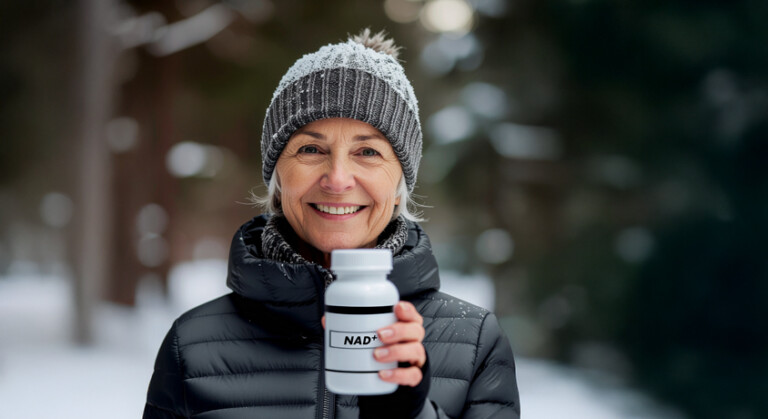
Brien Quirk, director of R&D for Draco Herbs in San Jose, CA, noted that there are now a variety of botanical extracts on the market that impact multiple pathways controlling longevity. Emerging botanicals, Quirk said, can impact sirtuins, NAD+ levels, telomere length and even mitochondria ATP production. Some of the ingredients on the market that have these effects include astralagus, platycodon, codonopsis and even blueberry extract.
“We have a cognitive formula that includes zanthoxylum essential oil noted for its memory and focus-enhancing effects,” Quirk said. “Rosemary leaf, sage, polygala and centella are also well-noted extracts used in clinical studies for enhancing memory, boosting neuron regenerative processes, and reducing inflammation, a factor which is known to hasten cognitive decline.”
While these ingredients have been shown to improve longevity-related factors, Quirk said that the No. 1 challenge facing the longevity market is human clinical studies. It can take years to show actual results, he said, so instead, researchers are using surrogate markers like epigenetic clock bioassays and telomere length.
Vitamins and minerals are also playing an important role in the longevity space, said Cheryl Myers, chief of scientific affairs and education for EuroPharma in Green Bay, WI. Myers noted that EuroPharma offers a multivitamin and mineral supplement called Clinical Essentials that is designed to preserve longevity. Containing methylated B vitamins and chelated minerals, the formulation is easy on the stomach due to added ginger.
“I’d be remiss if I didn’t mention how critical omega-3s are to longevity,” Myers said. “Our Vectomega supplement is perfectly suited to support overall well-being and a multitude of health concerns. One of the unique things about Vectomega is that it is not a fish oil, but an extract that instead provides omega-3s from Atlantic salmon naturally bound to phospholipids for excellent bioavailability.”
Myers noted that Vectomega is manufactured by removing the salmon head, which is rich in phospholipids, and filleting the rest of the body for food. The head is then flushed with water, and the contents are treated with enzymes. The material is then spun in a centrifuge, separating the heavy nutrients like DHA, EPA, phospholipids and peptides from the lighter waste material. The nutrients are then freeze dried and made into a supplement.
“This process keeps Vectomega much closer to how the omega-3s, phospholipids, and peptides would be from food, but in a much more concentrated form,” Myers noted.
Other major longevity supplements on the market include antioxidants and NMN. Alina Hornfeldt, co-owner of Mastel’s Health Foods in St. Paul, MN, noted that Mastel’s has carved out a space for longevity-specific supplements in the company’s antioxidant set. While the longevity space has been slowly growing, Hornfeldt said, she expects to see more products containing NMN as a result of the FDA (U.S. Food and Drug Administration) ruling that the ingredient is, in fact, a dietary supplement.
Science-backed Formulations Focus on Autophagy
Søfting noted that longevity-focused formulations are becoming increasingly sophisticated, integrating nutrients that support long-term health and healthy aging. Furthermore, there is a growing interest in delivery system innovations, from powders to emulsions to functional beverages and more.
Quirk said that emerging longevity supplements are now focusing on autophagy, the accelerated recycling of worn or damaged cellular parts and related senolytics. Furthermore, Quirk explained, cellular reprogramming at the epigenetic level with Yamanaka factor-related pathways is quickly becoming the research platform of choice for longevity supplements. Some studies, Quirk said, are already using herb bioactives that activate stem cells to initiate cell rejuvenation via cell reprogramming.
“A study at the Botanical Research Center of Louisiana State University examining botanical extracts that influence Yamanaka factors and cellular reprogramming pathways found evidence that several different Chinese herbs affect epigenetic processes related to aging,” Quirk said. “Another study of a compound in the well-known anti-aging herb epimedium, used in Chinese herbal medicine, found that it could enhance multi-potent stem cell self-renewal for activating regenerative transcription factors.”
Other research has found that omega-3 fatty acids can mitigate cellular damage. Myers pointed to an in-vitro study in the Journal of Neurochemistry. Researchers pre-treated neuronal cells with DHA from a phospholipid-bound omega-3 source for 48 hours before exposing those cells to soluble oligomers of amyloid-beta peptide, which are known to cause brain cell damage associated with Alzheimer’s disease.
The DHA pretreatment so greatly increased neuronal survival and reduced damage that it led the researchers to conclude that such neuroprotective effects should be of major interest in preventing neurodegenerative diseases.
Myers noted that EuroPharma also offers a wide range of supplements for consumers looking to stay mentally sharp and physically active as they get older. For cognitive health, the company offers its branded GMT23, a combination of Greek mountain tea and Bacopa monnieri. Myers said that Bacopa monnieri has long been used in Ayurvedic practice for brain-related benefits, while Greek mountain tea (Sideritis scardica) has been a favorite beverage in the mountains of Greece. “Greek mountain tea has an invigorating effect on the mind and body,” Myers said. “It also has multiple actions well beyond its strengths for energy and focus, and those benefits are just beginning to be explored in scientific and clinical studies. While tea is a popular beverage, getting consistent results is more reliable when the botanical is in a supplemental form.”
Myers explained that one study tested 475 mg or 950 mg of a Greek mountain tea supplement versus an active control of 240 mg of Ginkgo biloba and a placebo. This randomized, double-blind, placebo-controlled, parallel-group trial found that Greek mountain tea resulted in higher scores on tests of visual processing accuracy while simultaneously reducing anxiety compared to placebo and active comparator. The Greek mountain tea group also showed improved oxygenated red blood cells in the prefrontal cortex, indicating that the herb helps the brain operate at better speed and efficiency.
Said Myers, “It should be noted, too, that while ginkgo also showed some positive effects on accuracy under pressure, the results weren’t as strong as they were for Greek mountain tea. Plus, ginkgo didn’t help participants feel the state of calm alertness that characterized those in the tea group.”
For staying physically active in old age, Myers noted that EuroPharma offers a variety of supplements that reduce pain and speed recovery. The company’s branded Curamin and CuraMed supplements combine BCM-95 curcumin with branded BOS-10 boswellia and other supportive nutrients to yield strong pain-relieving results for active consumers.
“An osteoarthritis study compared a combination of BCM-95 and BOS-10 to a generic celecoxib for individuals with osteoarthritis,” Myers explained. “One group received celecoxib 100 mg twice daily, while the second group received a 500 mg blend of our curcumin essential oil and the uniquely standardized boswellia extract twice daily. The results were impressive: 64 percent of those taking our botanical combination moved from moderate to severe arthritis down to mild to moderate arthritis, compared to only 29 percent in the drug group.”
Supplements Appeal to Younger and Older Consumers Alike
Myers said the industry is seeing an increased awareness among consumers about how important it is to think of longevity at an earlier age. The topic of longevity is also being reframed among consumers; the perception of aging is changing, with consumers now concerning themselves with how to stay healthy and vibrant in old age.
“I think that the idea of anti-aging in the past was pushing against the idea of getting older, while ‘healthy longevity’ is a more forward-looking, hopeful and confident view,” Myers said. “It encompasses the concept of being in good health, mentally and physically, and appreciating the passage of time rather than denying it.”
Hornfeldt noted that longevity supplements appear to be most popular among chronically online consumers. When it comes to discussing supplements with customers, she said that retailers should have someone in the store who is excited about the longevity space and who has a lot of knowledge. Hornfeldt explained that it can be fun and exciting to talk to someone in the research phase. Some consumers, however, may need more education before purchasing longevity supplements, which is why having literature accessible in the aisle can be beneficial for retailers.
“We’re seeing lots of buzz about longevity, but the price point for a lot of these supplements can be a deterrent,” Hornfeldt said. “We also have customers who need to address their lifestyle and basic health issues; they aren’t looking to add what they might consider to be extras. Deficiency of basic vitamins and minerals is always our first point of focus with our customers.”
Hornfeldt said that there are several podcasts and headlines about longevity that are influencing consumers, and as this rapidly evolving niche grows, consumers will begin to prioritize their quality of life in old age.
Søfting explained that because people are living longer, the perception of healthy aging is changing, which is widening the demographic for longevity supplements. While Boomers and Generation X began taking steps to age healthily between the ages of 40 and 60, Søfting said, Millennials and Generation Z are beginning much earlier—as early as age 20. As a result, the interest in long-term wellness now spans across all age groups.
“I anticipate seeing the continued promotion of longevity across all generations for products that support both short-term and long-term goals,” Søfting said. “Finished-product brands will continue to expand their product lines to offer numerous condition-specific health benefits, catering to the various areas of healthy aging. We also expect to see continued support from companies using branded, clinically studied ingredients with a strong focus on sustainability initiatives from all parties involved.”
Myers said that retailers can promote longevity supplements by implementing special promotions that focus on healthy aging. Retailers can highlight the various health concerns that make up this category, including pain and inflammation, cognitive function, cellular health, daily energy and strength.
“It’s easy for people in their twenties to think that they have a long time to go before they need to worry about healthy living,” Myers noted. “But it really needs to start as soon as possible. Educational materials, reaching out through social media and product promotions & events are all ways to reach younger people and instill a health-driven mindset. After all, longevity is a lifetime commitment.”
Longevity Market Set to Expand
As consumers are becoming more aware of longevity-related concerns, they’re turning more and more often to natural health solutions.
“Consumers are becoming increasingly proactive in their wellness and longevity journey, and as a result, many turn to the natural products industry to support their long-term health goals, Søfting said. “The leading and targeted health applications they seek include cognitive and brain health, metabolic health, heart health, joint health and mobility, sleep and mood support, and youthful appearance.”
Myers said she expects that the longevity market will soon see the rise of ready-to-drink and ready-to-eat supplements. However, she noted that retailers will need to have conversations with consumers regarding what makes for good value as far as supplementation is concerned, with the need to emphasize the benefits of tablets, capsules and soft gels on the rise. Quirk, meanwhile, noted that a holistic approach is essential to cover all longevity bases, because if inflammation or circadian rhythms are severely challenged, then all else will be compromised. The core areas of anti-aging, according to Quirk, are reducing chronic inflammation, enhancing gut health, reducing stress and using supplements that boost sirtuins, NAD+, ATP, telomeres and epigenetic factors.
Retailers can take advantage of growing consumer interest in longevity supplements by offering educational displays, consumer-friendly literature about longevity, and having in-person or social media discussions with consumers regarding the importance of aging well.VR
For More Information:
Draco Herbs, www.draconatural.com
EuroPharma, www.europharmausa.com
GC Rieber, www.gcrieber.com