


Have you ever found it difficult to get through a challenging task or project? Of all the resources that people rely on to navigate their lives, the one taken most for granted is also the one that is relied on the most—concentration.
Concentration refers to the mental effort you direct toward whatever you’re working on or learning at the moment. It’s sometimes confused with attention span, but attention span refers to the length of time you can concentrate on something.
Both attention span and concentration can vary for a number of reasons. Some people just have a harder time tuning out distractions. Age and lack of sleep can affect concentration.
Most people have difficulties concentrating and focusing as they age. It’s easy to become frustrated when you’re trying to concentrate but are having difficulties. This can lead to stress and irritation, which tends to make focusing on what you need to do even more difficult.
As you get older, blood vessels in the brain may narrow, reducing the supply of oxygen and nutrients to the brain. This creates energy shortages to the brain and may cause:
• Mild memory problems associated with aging
• Diminished concentration
• Mood swings
• Decreased mental energy
Problems with concentration and focus can be also caused by other factors including harmful free radicals. These highly reactive forms of oxygen create a chemical reaction called oxidative stress which can damage brain cells. If free radicals get out of control, cells are damaged faster than they are repaired. Like a biological form of rust, a lifetime of oxidative stress can lead to diminished brain function.
Free radicals cannot only assault us internally, but they can wreak havoc from the outside as well, primarily through the skin and lungs. Today’s modern industrial environment in concert with the sun’s ultraviolet rays produce free radicals. Many are unaware that in the presence of heat and sunlight, ozone forms quickly from nitrogen oxides in polluted air and volatile organic compounds from vehicle exhaust. Ozone is a highly reactive gas and the main component of smog, which is a key contributor in the formation of free radicals. This is the perfect storm for oxidative stress.
Additionally, chemical pesticides, herbicides and petrochemical paints and solvents are also sources of free-radical exposure. Moreover, when people eat fats processed at high temperatures or fats that are deep-fried, they are consuming foods that add to the free radical load. And don’t forget tobacco of all kinds is a major producer of free radicals.
Antioxidants for Cognitive Health
Where would we be without our ability to concentrate and focus? We rely on these mental faculties every day. So where does that leave you if you are not taking the necessary steps to promote mental clarity and cognitive health?
Mental clarity can improve the ability to focus, help you better handle stress, and make you more efficient and productive. Mental clarity will help you perform well in your job, learn and retain information, solve complex problems, and help you to relax. Is true mental clarity an elusive phenomenon or something that is realistic to obtain? Well, there is good news. You can improve your ability to focus and concentrate and do it quickly.
That said, we need to include antioxidant-rich foods and supplements into our diet because they are powerful at decreasing the damage caused by free radicals. The following antioxidant supplements, among others, significantly support brain function and memory without the side effects of prescription medication:
1. Alpha Lipoic Acid (ALA): This powerful antioxidant is both water and fat soluble and enters all parts of the cell to neutralize free radicals. It is the only antioxidant supplement that can easily access the brain.
2. Ashwaganda: A versatile adaptogen that can enhance the immune system, boost energy, calm the stress response, and reduce levels of the stress hormone cortisol. It can also enhance memory and mental acuity due to its antioxidant effect and ability to increase acetylcholine-receptor activity.
3. CoQ10: A part of the mitochondrial electron transport system and synthesized in all cells, CoQ10 is essential to the body’s production of energy in the form of adenosine triphosphate (ATP). Aging reduces access to CoQ10. Although it can be obtained from the diet (mainly from fatty fish, organ meats and whole grains) as well as synthesized in small amounts, both of these routes decline with age. The body’s declining capacity to extract and assimilate CoQ10 in later years plays a role in the development of various disease conditions. Ubiquinol is the reduced form of CoQ10 and the most highly absorbed. It is directly used in human metabolism as a lipid-soluble antioxidant. While standard CoQ10 (ubiquinone) supplements can be converted into ubiquinol in the body, this conversion can be less efficient in some individuals, based on age, genetics, blood sugar status or level of oxidative stress. Ubiquinol promotes optimal cognitive function which has a direct impact on focus and concentration. The brain is extremely metabolically active. CoQ10 helps neurons make more energy. When neurons make more energy better brain function occurs.
4. Curcumin: The active ingredient in turmeric. Researchers believe it may help reduce the plaque formation that is associated with cognitive decline. The fact that India produces nearly all of the world’s turmeric (and consumes 80 percent of it) probably explains why many inflammatory diseases are not as prevalent in that country. Researchers believe the traditional Indian diet, which contains large amounts of turmeric, plays a significant role in enhanced concentration and focus as well as overall cognitive health.
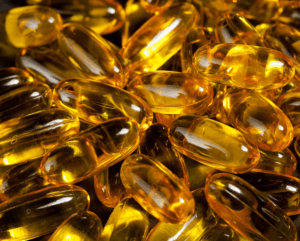
5. Fish Oil: The mainstream media has been reporting on the benefits of fish oil for years—typically for heart health. Now there is research to suggest that fish oil may be good for the brain, as well. Recent research suggests that fish oil supplements may affect parts of the brain critical for focus and concentration. In fact, three new human studies add to an impressive body of research regarding the value of EPA- and DHA-containing fish oil for mental health and cognitive function. DHA, in particular, is considered the most biological active oil for your brain, as it is the primary fatty acid that accumulates in brain cells. Be sure to take fish oil products from companies that follow strict procedures to eliminate environmental contaminants to assure the highest purity of its fish oil supplements.
6. Ginkgo Biloba (Leaf) Extract: Has been shown to enhance cognition by supporting and enhancing the function of neural tissue. Ginkgo also protects neurons from damage, as well as regenerates neurons.
7. Grapeseed Extract: A significant source of naturally occurring phenolic compounds that are known to bolster the structural integrity of brain cells and brain cell networks. A recent study shows the ability of grape seed extract to stimulate the production of new brain cells. Researchers were able to show that compounds in grape seed extract activated genes that controlled cellular rejuvenation. Additionally, grape seed extract strengthened existing brain cell connections in the memory control center of the brain (hippocampus).
8. Phosphatidylserine (PS): A phospholipid substance which is a building block for the brain’s approximately 100 billion nerve cells. Of the nutrients proven most beneficial to the brain, PS is the most impressive for its degree of efficacy and its impeccable safety record. More than 60 human studies, including 18 double-blind trials, affirm diverse benefits of PS for focus, concentration, memory, learning, word recall and other cognitive measures in the middle-aged and elderly.
9. Vinpocetine: Selectively dilates the arteries and capillaries in the brain, reducing vascular resistance, improving cell production of ATP, and promoting better circulation to the brain. By increasing circulation, it allows for improved nutrient and oxygen delivery to brain cells.
10. Rhodiola: Stimulates both mental and physical performance. Its effects on the brain are perhaps the most interesting. Numerous studies have shown it to improve concentration, especially in tired individuals. In one proofreading test, those taking rhodiola decreased their number of errors by 88 percent. It also helps the brain produce serotonin, which is a key “happy” neurotransmitter.
An abundance of recent scientific evidence indicates that any nutritional regimen to protect and nourish the brain should incorporate food and supplements that have been shown to stimulate brain energy metabolism, boost acetylcholine levels and protect against inflammation, thrombosis and oxidative stress. By taking advantage of recent advances in nerve cell function, cognition and focus, and how these processes are disrupted during normal aging, health-conscious adults can devise an individualized preventative program utilizing the most potent brain-protective nutrients, such as the ones previously outlined.
These supplements work via numerous mechanisms to provide natural, broad-spectrum support for optimal brain health and function. Because it is so much easier to protect the health of your brain cells than it is to restore their function once damage has occurred, it makes sense to begin a preventive program as soon as possible. When it comes to protecting and preserving cognitive health, the old cliché, “an ounce of prevention is worth a pound of cure,” couldn’t be truer. VR
Mark Becker is a senior account manager for Vivion Inc, a raw materials distributor, based in Vernon, CA. He has worked as a natural products sales and marketing executive for 20 years. Becker has written more than 300 articles and has hosted or been a guest on more than 500 radio shows. He obtained a bachelor’s in journalism from Long Beach State University and did his master’s work in communications at Cal State Fullerton. For more than 35 years he has participated in numerous endurance events, including more than 150 triathlons of Olympic distance or longer, 103 marathons and numerous other events including ultramarathons and rough water swims from Alcatraz to the mainland. He has relied on a comprehensive dietary supplement regimen to support his athletic, professional and personal endeavors. Follow Becker on Facebook at http://www.facebook.com/marklbecker/posts/387591877933686#!/energyatlast. Follow him on Twitter at http://twitter.com/#!/becker_mark. For more information, access www.vivioninc.com, www.alliedbionutrition.com or www.EnergyatLast.com.