

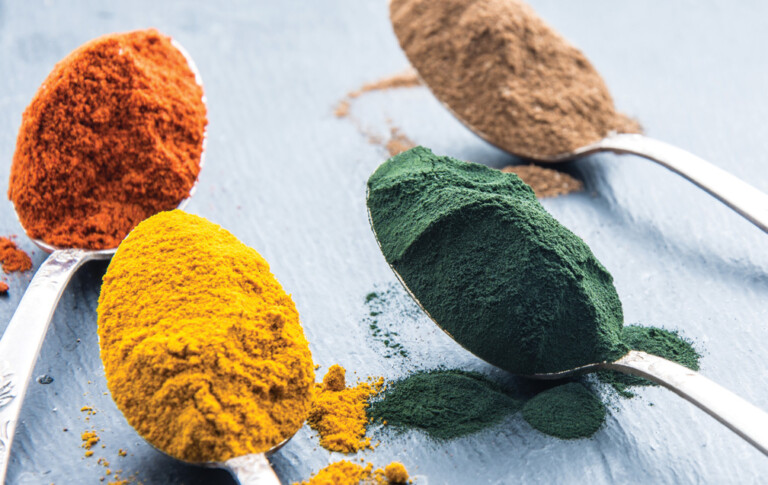
Nutraceuticals, including compounds such as resveratrol, berberine, curcumin and ellagic acid, etc., have gained popularity over the past several decades for their potential health benefits. However, despite their promise, poor nutrient bioavailability has remained a major challenge in effectively harnessing their therapeutic potential. This article will examine the issues surrounding poor nutraceutical bioavailability, including the advantages of self-emulsifying delivery systems, and parallels with pharmaceutical delivery mechanisms highlighting the importance of efficient nutraceutical delivery for optimal health outcomes.
Redefining Bioavailability: Beyond Gut Absorption
Nutrient/nutraceutical bioavailability refers to the extent and rate at which a compound is absorbed and utilized by the body. Poor bioavailability can significantly diminish the therapeutic efficacy of nutraceuticals, rendering them less effective or even ineffective in achieving desired health outcomes. Traditionally, the concept of bioavailability in the context of nutraceuticals has largely focused on the efficiency of absorption from the gastrointestinal tract into the bloodstream. This perspective assesses how quickly and to what extent a nutrient can enter systemic circulation, often overlooking a critical aspect of nutrient utilization: the fate of these compounds once they reach the bloodstream.
While rapid absorption into the bloodstream is undoubtedly important, it is only one half of the bioavailability equation. Equally significant is what happens to the nutrients after they enter the bloodstream, particularly their interaction with the liver—a process known as “first-pass metabolism.” First-pass metabolism refers to the initial biochemical transformation that occurs when a substance is absorbed from the gut and enters the portal circulation, passing through the liver before reaching systemic circulation. This metabolic process can substantially alter the concentration and bioactivity of nutrients/nutraceuticals, leading to a significant reduction in their availability to target tissues.
For many nutraceuticals, first-pass metabolism poses a formidable barrier to achieving meaningful cellular uptake and therapeutic effects. It is not uncommon for these compounds to undergo extensive metabolism in the liver, resulting in only a fraction of the ingested dose reaching the systemic circulation and peripheral tissues. In fact, some nutraceuticals, such as resveratrol, berberine, curcumin and ellagic acid, etc., may exhibit as little as 1 percent bioavailability to the cells of the body due to the rapid metabolism they undergo in the liver. Simply measuring plasma concentrations of nutraceutical compounds may not accurately reflect their bioavailability if a significant portion is rapidly metabolized in the liver and rendered inactive. What we really want to know is the “absolute bioavailability” of a nutraceutical. In essence, absolute bioavailability is concerned with the total amount of the remaining nutraceutical (after first-pass metabolism) that is available to be utilized by cells.
To address this limitation, strategies aimed at modulating first-pass metabolism, such as utilizing delivery systems that bypass hepatic metabolism or enhancing the stability of nutraceutical compounds, hold promise for improving overall bioavailability/absolute bioavailability and therapeutic efficacy. Redefining bioavailability to encompass first-pass metabolism is not simply a semantic shift, but a paradigm change in our understanding of nutrient utilization as we move beyond a simplistic absorption-centric view to a broader perspective that extends beyond gut absorption to encompass absolute bioavailability. One such advanced technology that does this very thing is called self-emulsifying delivery systems (SNEDS), which was developed by the pharmaceutical industry. The version of SNEDS which is dietary supplement industry friendly is called BioSNEDS (self-emulsifying nutraceutical delivery system by Verdant Nature). I like to think of it as next generation liposomes, or liposomes on steroids.
Transition to Self-emulsifying Delivery Systems
SNEDS and BioSNEDS offers some advantages over conventional liposomes:
• Enhanced Solubility: SNEDS formulations can improve the solubility of poorly water-soluble nutraceuticals by facilitating their dispersion in aqueous environments. The microvesicles formed in SNEDS have a large surface area, promoting the dissolution of hydrophobic compounds like curcumin, resveratrol, berberine, ellagic acid, CoQ10 and many others.
• Protection From Degradation: SNEDS can encapsulate nutraceuticals within lipid-based microvesicles, shielding them from enzymatic degradation and pH variations in the GI tract. This protection ensures greater stability and preservation of active nutraceutical compounds during transit through the digestive system.
• Increased Absorption: The microvesicles and enhanced solubility of nutraceuticals in SNEDS formulations facilitates their absorption across the intestinal epithelium. By bypassing some of the barriers to absorption encountered by free compounds, SNEDS can significantly improve the bioavailability of many poorly available nutraceuticals.
• Reduced First-pass Metabolism: SNEDS can help mitigate first-pass metabolism by promoting the transport of lipophilic compounds via the lymphatic system instead of the circulatory system, thereby bypassing hepatic metabolism and increasing systemic exposure to active nutraceutical ingredients.
Parallels With Pharmaceutical Delivery Technology
The use of BioSNEDS for nutraceutical delivery mirrors the use of SNEDS for pharmaceutical delivery, aimed at enhancing the bioavailability and efficacy of drugs. The pharmaceutical industry utilizes SNEDS, due to its ability to overcome many of the challenges associated with traditional drug delivery methods.
• Targeted Delivery: Both pharmaceuticals and nutraceuticals benefit from targeted delivery systems that enable selective accumulation of active ingredients at specific sites within the body. SNEDS based delivery systems can be targeted to specific tissues or cells, improving drug or nutrient uptake and reducing off-target effects.
• Sustained Release: Controlled release formulations, commonly employed in pharmaceuticals to prolong drug action and minimize dosing frequency, are also applicable to nutraceutical delivery. A SNEDS delivery system can be designed to achieve sustained release profiles, ensuring a steady supply of bioactive compounds over an extended period, which is particularly advantageous for chronic conditions requiring continuous therapy.
• Improved Stability: The stability of pharmaceutical drugs during storage and administration is crucial for maintaining their potency and efficacy. SNEDS-based delivery systems offer superior stability compared to conventional formulations, protecting sensitive compounds from degradation and oxidation, thereby extending their shelf life and preserving therapeutic activity.
The Proof Is in the Pudding
As previously mentioned, nutraceuticals such as resveratrol, berberine, curcumin, ellagic acid, CoQ10, etc. are notoriously low in bioavailability. For example, as previously mentioned, published studies show that less than 1 percent of resveratrol is effectively available to the body, with the vast majority being excreted unused. This changes when BioSNEDS is used to deliver this nutraceutical.
The effectiveness of BioSNEDS has been confirmed using PAMPA and human pharmacokinetic (PK) studies. PAMPA refers to the Parallel Artificial Membrane Permeability Assay, which is a widely accepted and validated testing model used to confirm bioavailability used by the pharmaceutical industry. Specifically, it is a screening tool for the evaluation of nutrient permeability across various membranes—from the GI tract to cells of the body. A PAMPA study demonstrated 48 times greater bioavailability with BioSNEDS resveratrol (ResveraSol, Verdant Nature). Likewise, a human PK study demonstrated 43 times greater bioavailability with BioSNEDS resveratrol. The duplication of results showing similar improvement in bioavailability between the PAMPA and human PK studies serves to validate the effectiveness of BioSNEDS as a nutraceutical delivery system.
The Formulation Advantage
So, now let’s consider a practical example in formulation a product with BioSNEDS resveratrol. Regarding bioequivalence, since resveratrol has only 1 percent absolute bioavailabilty, a 500 mg resveratrol dose delivers 5 mg of resveratrol. Using the PK study data, ResveraSol has 43 times more bioavailability, which translates to 11.627906 mg resveratrol bioequivalency (500 mg divided by 43 = 11.627906 mg resveratrol). Since ResveraSol provides 10 percent resveratrol, then we would need 116.27906 mg of ResveraSol to deliver 11.627906 mg resveratrol. In rounding it up, that would translate to 117 mg of ResveraSol in a formulation. Clearly this would provide a significant formulation advantage since less raw material would be need in a product to deliver the resveratrol payload (not to mention the vast improvement in absolute bioavailability).
Conclusion
Poor nutrient bioavailability has long been a challenge in maximizing the therapeutic potential of nutraceutical compounds like resveratrol, berberine, curcumin, ellagic acid, CoQ10, and many others. SNEDS technology represents a promising strategy for overcoming these challenges and ensuring efficient nutrient delivery to target organs, tissues and cells. By enhancing solubility, stability and absorption, SNEDS offers a superior alternative to conventional delivery systems, paralleling advancements in pharmaceutical delivery mechanisms aimed at optimizing drug bioavailability and efficacy. Moving forward, continued research and innovation in delivery systems will be essential for unlocking the full therapeutic potential of nutraceuticals and improving health outcomes.VR
References:
Baloch, J.; Sohail, M.F. Self-Nanoemulsifying Drug Delivery System (SNEDDS) for Improved Oral Bioavailability of Chlorpromazine: In Vitro and In Vivo Evaluation. Medicina 2019, 55, 210.
Chen W, Miao YQ, Fan DJ, Yang SS, Lin X, Meng LK, Tang X. Bioavailability study of berberine and the enhancing effects of TPGS on intestinal absorption in rats. AAPS PharmSciTech, 2011, 12, 705-11.
Cho, H.Y.; Kang, J.H.; Ngo, L.; Tran, P.; Lee, Y.B. J. Preparation and evaluation of solid-self-emulsifying drug delivery system containing paclitaxel for lymphatic delivery. Nanomater. 2016, 20, 3642418.
Dei Cas M, Ghidoni R. Curcumin: Correlation between Bioavailability and Health Potential. Nutrients, 2019, 11, 2147.
Dokania, S.; Joshi, A.K. Self-emulsifying drug delivery system (SNEDD). Drug Deliv. 2015, 22, 675–690.
Gupta, S.; Chavhan, S.; Sawant, K.K. Self-nanoemulsifying drug delivery system for adefovir dipivoxil: Design, characterization, in vitro and ex vivo evaluation. Colloids Surf. Physicochem. Eng. Asp. 2011, 392, 145–155.
Jianping Qi, Yi Lu and Wei Wu. Absorption, Disposition and Pharmacokinetics of Solid Lipid Nanoparticles, Curr Drug Metab. 2012, 13, 418–428.
Khoshandam A, Imenshahidi M, Hosseinzadeh H. Pharmacokinetic of berberine, the main constituent of Berberis vulgaris L.: A comprehensive review. Phytother Res. 2022, 36, 4063-4079.
Liu, W., Zhai, Y., Heng, X., Che, F. Y., Chen, W., Sun, D., & Zhai, G. Oral bioavailability of curcumin: problems and advancements. Journal of Drug Targeting, 2016, 24, 694–702.
Miklós Poór, Hana Kaci, Slávka Bodnárová, Violetta Mohos, Eszter Fliszár-Nyúl, Sándor Kunsági-Máté, Csilla Özvegy-Laczka, Beáta Lemli. Interactions of resveratrol and its metabolites (resveratrol-3-sulfate, resveratrol-3-glucuronide, and dihydroresveratrol) with serum albumin, cytochrome P450 enzymes, and OATP transporters, Biomedicine & Pharmacotherapy, 2022, 151, 113136.
Orlagh M. Feeney. 50 years of oral lipid-based formulations: Provenance, progress and future perspectives, Advanced Drug Delivery Reviews, 2016, 101, 167-194.
Porter, C., Trevaskis, N. & Charman W. Lipids and lipid-based formulations: optimizing the oral delivery of lipophilic drugs. Nat Rev Drug Discov, 2007, 6, 231–248.
Rao, Monica RP, et al. Self-nanoemulsifying drug delivery system of mebendazole for treatment of lymphatic filariasis. Indian Journal of Pharmaceutical Sciences 2018, 80.6, 1057-1068.
Walle T. Bioavailability of resveratrol. Ann N Y Acad Sci. 2011, 1215, 9-15.
Wenzel E, Somoza V. Metabolism and bioavailability of trans-resveratrol. Mol Nutr Food Res. 2005, 49, 472-81.
Side-bar 1 start*
Several Factors Contribute to Poor Bioavailability
• Limited Absorption: Many nutraceutical compounds exhibit low solubility in aqueous environments, hindering their absorption in the gastrointestinal tract. For instance, curcumin, resveratrol, berberine, ellagic acid, CoQ10 and others are poorly soluble in water, leading to minimal absorption and rapid metabolism, which limits its true bioavailability.
• First-pass Metabolism: Nutraceuticals, upon absorption, undergo extensive first-pass metabolism in the liver, where they may be metabolized into inactive forms or excreted before reaching systemic circulation. This metabolic process further reduces the bioavailability of these compounds and self-emulsifying delivery system technology addresses this effectively.
• Gastrointestinal Degradation: Enzymatic degradation and pH variations in the gastrointestinal (GI) tract can degrade nutraceutical compounds before they are absorbed, diminishing their bioavailability. This includes liposomes. For example, resveratrol, a polyphenol found in red wine, is susceptible to enzymatic degradation in the gut, limiting its absorption.
• Efflux Transporters: Efflux transporters present in the intestinal wall (epithelium) can actively pump nutraceuticals out of enterocytes back into the intestinal lumen, decreasing their absorption and bioavailability—self-emulsifying delivery system addresses this effectively.
Side-bar 1 end*
Side-bar 2 start*
SNEDS vs. Liposomes
While liposomes have been widely studied as drug/nutrient delivery vehicles, a SNEDS-based delivery system offers several advantages that make them superior for enhancing bioavailability of key nutraceuticals:
• Enhanced Stability: Liposomes are susceptible to aggregation, leakage and degradation, which can compromise the stability and efficacy of encapsulated compounds. In contrast, SNEDS-based ingredients are more stable and can protect nutraceuticals from degradation during storage and transit through the gastrointestinal tract.
• Flexibility in Formulation: SNEDS based formulations can be tailored to optimize the solubility, stability, and release characteristics of nutraceuticals, allowing for greater flexibility in formulation design compared to liposomes.
• Improved Availability: The microvesicles and uniform distribution of nutraceuticals in SNEDS based delivery systems enhance their absorption, circumvents first pass metabolism, greatly improves true bioavailability compared to liposomal formulations.
• Scalability and Cost-effectiveness: SNEDS are relatively simple to manufacture and scale up for commercial production compared to liposomes, making them more cost-effective for large-scale nutraceutical applications.
Side-bar 2 end*
Gene Bruno, MS, MHS, Professor Emeritus of Nutra-ceutical Science, is writer, educator and a nutraceutical scientist with more than 45 years of experience educating natural product retailers and health care professionals and formulating natural products for dozens of dietary supplement companies. He has written articles on nutrition, herbal medicine, nutraceuticals and integrative health issues for trade, consumer magazines and peer-reviewed publications. Bruno also hosts “The Vitamin Professor Podcast” brought to you by VRM Media. He can be reached at [email protected].
![[Extra! Extra!] Roommate Wanted: Must Have Good Microbiome](https://vitaminretailer.com/wp-content/uploads/2026/01/IndigestionUpsetStomach-300x259-1769721366.jpg)