

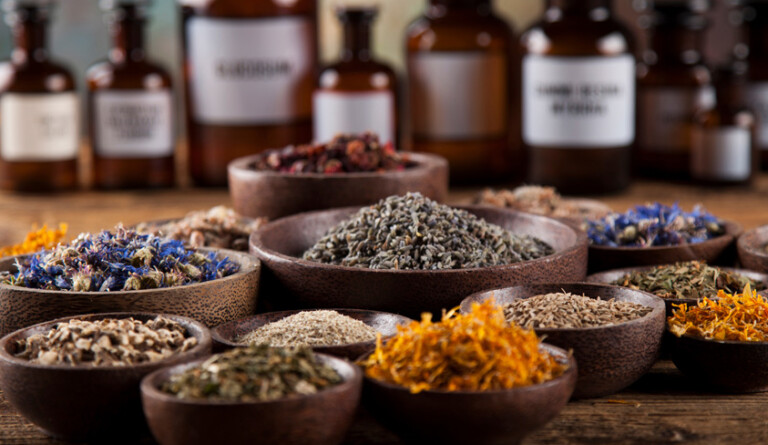
Here’s how herbal & botanical finished products are evolving in 2024.
The panel:
Beth Lambert, CEO, Herbalist & Alchemist, Washington, NJ, www.herbalist-alchemist.com
Erin Stokes, ND, Medical Director, WishGarden Herbs, Louisville, CO, www.wishgardenherbs.com
Laura Chamberlain, Chief Customer Officer, Nature’s Way, Green Bay, WI, https://naturesway.com
Liz Smith, RN, Founder, Natural Path Silver Wings, Nashville, TN, https://npswsilver.com
Travis Borchardt, Vice President of Product Integrity & Compliance, Nature’s Way, Green Bay, WI, https://naturesway.com
Herbal & botanical finished products represent a significant portion of the dietary supplement market, accounting for 20 percent of the industry’s sales. As such, it’s critical for ingredient suppliers and finished-product brands to comprehend how this market is performing and which types of products are trending. Vitamin Retailer (VR) has invited a panel of experts to explain how herbs & botanicals are evolving in 2024.
VR: What’s the state of the market on herbs & botanicals finished products?
Lambert: The supply of herbs continues to be affected by the weather. Crop failures due to lack of water, or too much water, as well as harvest timing due to early heat patterns, were the biggest issues this year. These factors, along with general inflationary costs, have been driving the cost of herbs higher. Consumers are becoming more resistant to having to share these cost increases, but interest continues to be strong in botanical products. Consumers are generally more educated about herbs and botanicals; they come seeking specific products. Many who tried herbs during the COVID-19 pandemic are continuing to want to manage their health issues more naturally.
Stokes: People are increasingly turning toward herbs and botanicals as an effective solution to their health and wellness priorities. According to Nutrition Business Journal (NBJ) data, herbs and supplements are expected to outpace the overall total supplement category in 2024, with a growth rate of 5.5 percent!
Chamberlain & Borchardt: The demand for herb-based finished products continues to be strong as consumers look to the natural world for health and wellness support.
Smith: Over the years, the abundance of single (and double) ingredient product introductions have become omnipresent on both store shelves and online. Perhaps sell-through data has prompted manufacturers to more recently review this strategy and instead focus on ingredient blends in multi-herb formulas.
VR: What trends are manufacturers seeing in herbs & botanicals finished products, and how are those trends changing?
Lambert: People are willing to move from pills to easier-to-consume alternate dosage forms like liquid extracts. “Brain Fog” whether from stress, lack of sleep, overstimulation or simple aging have consumers searching for cognitive support. The term nootropics has found its way into popular literature. David has been working with nootropic herbs for years, combining with adaptogens, nervines or cerebral stimulants depending on the formula for more individualized and directed support. Immune support has become more diverse. Consumers are using immune reservoir strengthening mushrooms and nourishing herbal tonics as well as a wider range of more direct immune response herbs for seasonal support or longer-term immune system imbalances. Bitters for digestive and overall health continue to blossom. Whether designing one’s own aperitif or responding to that necessary “fast food was my only choice” these long traditional formulas continue to be updated.
Stokes: A major trend among consumers is the growing movement to take ownership of personal health and wellness. People want to understand and connect with the supplements that they’re taking, and the source that these supplements come from. Gen Z and Millennials, in particular, demand to know the people and plants behind the supplements they take every day.
Another trend in finished products is the growing popularity of liquid tinctures. Liquid tinctures are a traditional form of herbal medicine that is making a comeback in modern times. Harnessing the power of plants, liquid tinctures are quickly and easily absorbed, making them effective remedies.
Chamberlain & Borchardt: The rise of ecommerce within the VMS category has facilitated the entry of new brands and the growth of existing ones. TikTok and social influencers are also contributing to surges in demand for herbs, as seen with berberine and chlorophyll. Cross-functional team collaboration to monitor trends has never been more critical. It requires the combined efforts of consumer insights, sales, marketing, supply chain and manufacturing to identify and capitalize on new trends.
Smith: We’re seeing an impressive variety of both supplements and topical skin products on shelves with multi-herb formulas providing all-in-one convenience.
VR: What’s your company’s top-selling product?
Lambert: Our top-selling product is adaptogenic formulas, which provide support for immune, stress and energy. Mushrooms, some of which are adaptogens, have also been strong. Immune-balancing formulas have seen a sustained increase.
Stokes: WishGarden’s top-selling product is our famous Kick-Ass Immune, a unique blend of respiratory and immune supportive herbs that promotes a healthy immune response when you need it most.
Chamberlain & Borchardt: Nature’s Way Sambucus is the No. 1 selling elderberry brand in the VMS category. Our Sambucus elderberry immune gummy was voted the No. 1 Immune Product of the Year for 2024 based on a Kantar survey of 40,000 consumers.
Smith: Since 1996, Natural Path Silver Wings Herbal Tincture has been the industry’s top-selling colloidal silver/herbal blend. This 1-oz. spray bottle conveniently combines 150 ppm colloidal silver, organic echinacea extract, and organic oregano extract for immune support.
VR: What’s the status of consumer knowledge and acceptance of herbs & botanical finished products?
Stokes: Plants have been ingested and utilized by people since ancient times. There’s a broader acceptance of herbs and botanical products than many people realize. People are looking for alternative solutions to live a healthier life and want to take their health back into their own hands. It’s estimated that 80 percent of U.S. adults take supplements, with many turning to herbal and botanical supplements as part of their wellness regime. Consumers are striving to learn more about how herbs can address key need states, and a prime opportunity for manufacturers is to educate people in a way that is relatable and actionable.
Smith: With the onset of smartphones in our lives, everyone now has quick and easy access to unlimited herb and botanical information, which helps people make purchase decisions more confidently compared to prior generations. Simply typing “natural immune remedies” or “natural skin care” or similar displays numerous supplement shopping choices along with herbal ingredient supportive functional benefits. This “fingertip research” has significantly helped the herbal/botanical product business worldwide.
VR: Are you predicting strong sales for the coming 12 months?
Stokes: WishGarden is known for its fast-acting legendary herbal blend tinctures, with consumers driving our ongoing growth to become the No. 1 selling liquid herbal supplement brand in the United States. We continue to see an upward trajectory of sales growth, and our sales forecast shows strong positive momentum for the coming 12 months.
Smith: For herbal immune support, the next few months will expectedly have the usual sales spike, whereas topical skin herbal products typically sell steadily year-round. Overall, both internal and topical herbal product sales should continue with year-over-year upward trajectory.
VR: How are manufacturers supporting retailer sales?
Lambert: We recently opened a store at our manufacturing location to directly connect with consumers. We are already seeing that the insights gained will translate into information for our retailers as to why consumers are seeking herbal products and what helps them to choose ours.
Stokes: Retail partner relationships are essential to the success of our industry. WishGarden utilizes a nationwide team of experienced specialty brokers who support our retailers with care and expertise through promotions/advertising, education, merchandising, event support and demonstrations. WishGarden’s internal sales and education team is dedicated to supporting our retail partners with in-store and virtual staff training, category review and new item submission, product sampling, and any resources they need to promote product sales and the success of their businesses.
Chamberlain & Borchardt: Herbs present unique supply chain challenges that can impact the ability to supply retailers with products and avoid out-of-stock situations. Over the past year, we’ve observed many retailers with empty shelves in their herb sections. The supply of botanicals has faced more challenges due to surging demand, climate volatility, socioeconomic changes and geopolitical incidents. Because harvest windows are short and available inventory is finite, Nature’s Way strategically plans ahead and commits to purchasing inventory well in advance to help prevent stockouts. Botanicals are heavily dependent on Mother Nature, leading to volatility in availability, cost and quality. Nature’s Way mitigates this risk through geographic diversification—if a weather event impacts one area, supplies can be protected by sourcing from alternative regions.
Smith: Natural Path Silver Wings provides year-round calendar direct trainings with Dr. Chris Terrell. Also, four promotions annually, complimentary social media services to retail partners, sample bottles, consumer literature and a variety of merchandising tools.
VR: The American Botanical Council recently released a report on adulteration showing that adulteration rates in botanicals can reach as high as 53 percent. How are manufacturers addressing the problem of adulteration in herbs & botanicals?
Lambert: Adulteration mostly happens when demand increases unexpectedly. A challenge with botanicals is projecting volume for growers because the growth cycle for botanicals can be just a few months or, in the case of roots like ginseng, many years. Botanical brands with herbalists on staff have the expertise and flexibility to reformulate when herbs are unavailable without sacrificing safety or efficacy. Long-standing relationships with suppliers that you have vetted minimizes the risk of receiving adulterated material. Herbalist & Alchemist works mostly with fresh or freshly dried herbs and receives the majority in identifiable whole form. Our extracts are made by herbalists who are trained to identify botanicals, and know the difference when they see, smell and taste the fresh herbs. We also work with reputable third-party testing labs to confirm identity, and we work with Rutgers University (New Jersey) on special projects such as assessing differences in botanicals grown in regions different from their natural habitat. All manufacturers should be rigorous about testing their botanicals for identity and purity, which is how adulteration is caught.
Stokes: For 45 years, WishGarden has sustainably sourced premium herbs from organic regenerative farms, forest farmers and ethical wildcrafters. Our transparent partnerships, traced through our vigorous Vendor Verification Program, reflect our commitment to quality and ecological and community well-being. Manufacturers like WishGarden address adulteration problems by performing extensive testing, such as organoleptic and high-performance liquid chromatography identity testing. This testing confirms the identity of the raw ingredients and is completed both in-house and via third party testing. HPLC testing, in particular, provides analytical data that quantifies and identifies compounds.
Chamberlain & Borchardt: Responsible manufacturers invest heavily in acquiring deep knowledge of their botanical ingredient supply chain. It is important to build relationships across all stages of the supply chain, from seed to distribution of the final product. The brand named on the finished product bottle needs to invest in understanding the risks that arise at each stage of the process, ranging from the cleanliness of irrigation water and agrichemical use to foreign plant matter, microbial load, heavy metal contamination, plant species identification and chemical fingerprints. This can only be achieved effectively by building solid relationships with growers, collectors, processors and testing labs. Qualifying suppliers should include visiting farms, forests and processing facilities, as well as having written supply agreements that clearly define quality specifications. Manufacturers should also utilize resources available in the public domain. Published botanical monographs can be valuable resources for identifying appropriate testing methods for identity, potency and contaminants of concern. Furthermore, the American Botanical Council’s Botanical Adulterants Prevention Program (BAPP) has published excellent resources that identify scientifically valid lab testing approaches for detecting adulteration.VR