


Natural strategies to treat morning sickness during pregnancy.
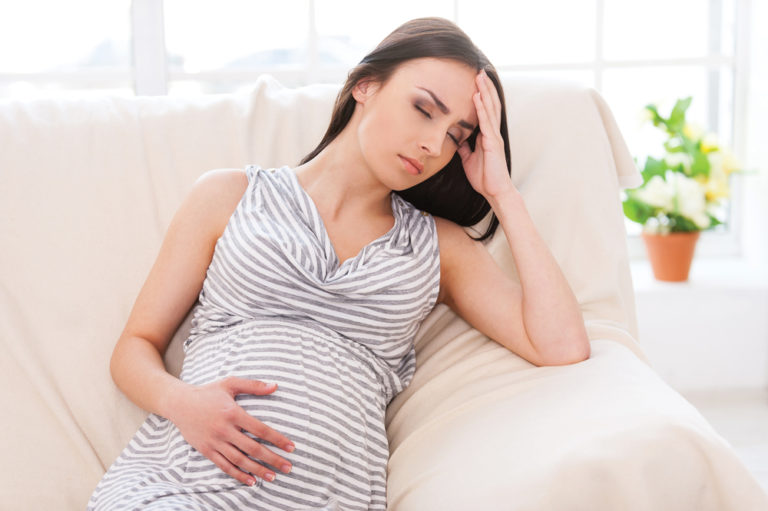
More than any other time during life, pregnancy is a time when the mother-to-be should be adhering to sound nutritional principles and eating a healthy diet, both to nourish herself and her unborn child. Unfortunately, morning sickness can often make it difficult to eat and to keep down food—let alone healthy food. This article will provide some background information on morning sickness, and then examine safe and natural strategies for reducing its symptoms, including the use of protein, vitamin B6 and ginger.
Symptoms
Morning sickness is characterized by nausea with or without vomiting. It is most common during the first trimester, sometimes beginning as early as two weeks after conception. Symptoms range from mild nausea (often accompanied by aversions to certain foods) to frequent vomiting and hyperemesis (severe and prolonged vomiting). Despite its name, the nausea can affect pregnant women at any time of day.1
Causes
What causes morning sickness isn’t clear, but the hormonal changes of pregnancy are thought to play a role.2 This may include an increase in the circulating level of the estrogen and/or an increase in progesterone which relaxes the muscles in the uterus to prevent early childbirth, but may also relax the stomach and intestines, leading to excess stomach acids and gastroesophageal reflux.3
Another consideration is gastric slow wave dysrhythmia. Most of the time, the stomach exhibits rhythmic electrical depolarizations or “slow waves” that control gastric motor function. In some situations, nausea may be associated with altered gastric motility and disturbances in slow wave rhythm in which cycling is too rapid (tachygastria) or too slow (bradygastria). Research has shown that women with first trimester nausea exhibit slow wave dysrhythmias that resolve after delivery.4 In contrast, asymptomatic pregnant women show no rhythm disruptions.5 Whatever the cause, morning sickness is an extremely common occurrence.
Prevalence
Research from different sources indicate that about 70-80 percent of women suffer some form of morning sickness in the first trimester of pregnancy, while about 24 percent of women experience morning sickness in late pregnancy.6, 7 Some research suggest that there are racial differences, with a greater prevalence of morning sickness in Caucasians, the least prevalence in Asians, and other races somewhere in between.8 These differences in prevalence may or may not be associated with be associated with differences in dietary practices.9
Protein
To help treat pregnancy-related nausea, obstetricians have commonly recommend ingestion of solid carbohydrate meals, such as soda crackers, although this recommendation is based primarily on anecdotal reports. However, some research suggests that protein meals, especially consumed in liquid form, may have greater efficacy for reducing tachygastria-related nausea.
Jednak et al10 conducted a study testing the roles of meal composition and caloric content on nausea and slow wave rhythm in 14 nauseated pregnant women. The results demonstrated that protein-predominant meals reduced nausea and dysrhythmic activity to greater degrees than equicaloric carbohydrate and fat meals and noncaloric meals (P<0.05). Meal consistency did not affect symptom responses, although liquid meals decreased dysrhythmias more than solids (P<0.05). Researchers concluded that protein meals selectively reduced nausea and gastric slow wave dysrhythmias in first trimester pregnancy.
Note: Although the following study was not conducted in pregnant women, it is nonetheless worth reviewing since it dealt with nausea caused by gastric tachygastria, which is the same etiology of nausea in pregnancy.
To determine the types of meal that are most effective in preventing the development of gastric tachygastria, nausea and the symptoms of motion sickness provoked by a rotating optokinetic drum, Levine et al11 conducted a comparative study in which 18 healthy men and women (15 women, three men, age range 18-20 years) received a carbohydrate beverage, a protein-predominant beverage (53 percent protein from whey protein powder, 12 percent carbohydrate and 35 percent fat) or nothing immediately before exposure to the rotating drum. Subjective symptoms of motion sickness and electrogastrograms were collected during a six-min baseline period and a subsequent 16-min drum rotation period. Results showed that total scores for subjective measures of nausea and motion sickness (SSMS) scores were significantly lower during the protein condition than during both the carbohydrate condition (P<0.03) and the no-meal condition (P<0.001). The difference in total SSMS scores between the carbohydrate and no meal conditions was not statistically significant. In conclusion, liquid protein-predominant meals were most effective in suppressing both the development of gastric tachygastria and the entire spectrum of motion sickness symptoms, including nausea.
Vitamin B6
First referenced in 1942 for treating nausea of morning sickness,12 the mechanism of action for how vitamin B6 affects nausea is unknown. Nevertheless, research has demonstrated that it can be efficacious for this purpose.
In a double-blind, placebo-controlled study,13 342 women who were in their 17th week of pregnancy or earlier, received 30 mg of vitamin B6 daily or a placebo. Patients graded the severity of their nausea and recorded the number of vomiting episodes over the previous 24 hours before treatment and again during five consecutive days on treatment. Results showed that there was a significant decrease in nausea scores in the vitamin B6 group compared to the placebo group (P=0.0008). There was also a trend toward a greater reduction in the number of vomiting episodes. The researchers concluded that vitamin B6 is effective in relieving the severity of nausea in early pregnancy.
In a single-blind, placebo-controlled study,14 1,000 women used a multivitamin providing 2.6 mg/day of vitamin B6 or placebo starting at least one month before conception. In women who became pregnant, interviews with researchers during pregnancy revealed that those taking placebo had significantly higher incidence of nausea during the first trimester than those taking multivitamin (p < 0.01). The fact that the multivitamin supplement provided a variety of vitamins and minerals means that the vitamin B6 cannot be definitively said to have been the sole nutrient helping to reduce nausea. However, in consideration of the previously two cited studies, it seems likely that the vitamin B6 played a major contributing role.
In a randomized, double-blind placebo-controlled study,15 59 pregnant women received 25 mg of vitamin B6 every eight hours, or a placebo, for 72 hours. Twelve of 31 patients in the vitamin B6 group had severe nausea before treatment, as did 10 of 28 patients in the placebo group. Following vitamin B6 therapy, there was a significant reduction in nausea in those with severe nausea compared to those using a placebo (P<0.01). Fifteen of 31 vitamin B6-treated patients had vomiting before therapy, and after three days of therapy only eight of 31 patients in the vitamin B6 group had any vomiting—while there was no difference in the placebo group (P<0.05).
It should also be noted that, based on the results of several studies, the American Congress of Obstetricians and Gynecologists (ACOG) recommends taking vitamin B6 supplements under a doctor’s care for nausea and vomiting during pregnancy.16
Ginger
A significant body of research exists showing that supplemental ginger is effective in treating morning sickness. For the purposes of this article, therefore, a discussion of studies will be limited to reviews and meta-analyses that cover multiple studies.
In a 2015 review,17 nine studies and seven reviews that investigated ginger for morning sickness, postoperative nausea and vomiting, chemotherapy-induced, and antiretroviral-induced nausea and vomiting. All studies reported that ginger provided a significant reduction in nausea and vomiting.
A 2014 meta-analysis18 examined six studies where a total of 508 pregnant women were randomly assigned to receive ginger and placebo. The results were that the use of about 1 g/day of ginger for at least four days was associated with a five-fold likelihood of improvement in nausea and vomiting in early pregnancy (i.e. morning sickness).
A 2013 systematic review19 investigated four randomized, controlled trials to examine the evidence for the safety and effectiveness of ginger in morning sickness. The results were that all trials found orally administered ginger to be significantly more effective than placebo in reducing the frequency of vomiting and intensity of nausea. The researchers concluded that best available evidence suggests that ginger is a safe and effective treatment for pregnancy-induced nausea and vomiting. In addition, ginger has been reported to be one of the best forms of treatment in hyperemesis gravidarum, a severe form of morning sickness.20, 21
Conclusion
At the very least, morning sickness is an unpleasant experience. Safe and effective treatments, including the use of protein, vitamin B6 and ginger are worth considering to help reduce symptoms. VR
References:
1 Pepper GV, Roberts SC. Rates of nausea and vomiting in pregnancy and dietary characteristics across populations. Proc Biol Sci. 2006 Oct 22; 273(1601): 2675–2679.
2 Mayo Clinic. Morning sickness. Mayo Foundation for Medical Education and Research. Retrieved August 19, 2015 from www.mayoclinic.org/diseases-conditions/morning-sickness/basics/causes/con-20033445.
3 Lagiou , Tamimi R, Mucci LA, et al. Nausea and vomiting in pregnancy in relation to prolactin, estrogens, and progesterone: a prospective study. Obstetrics and gynecology. 2003;101(4):639–44.
4 Koch KL, Stern RM, Vasey M, Botti JJ, Creasy GW, Dwyer A. Gastric dysrhythmias and nausea of pregnancy. Dig Dis Sci. 1990;35:961–968.
5 Riezzo G, Pezzolla F, Darconza G, Giorgio I. Gastric myoelectrical activity in the first trimester of pregnancy: a cutaneous electrogastrographic study. Am J Gastroenterol. 1992;87:702–707.
6 Einarson TR, Piwko C, Koren G. Prevalence of nausea and vomiting of pregnancy in the USA: A meta-analysis. J Popul Ther Clin Pharmacol. 2013; 20(2):e163-e170.
7 Pepper GV, Roberts SC.Rates of nausea and vomiting in pregnancy and dietary characteristics across populations. Proc Biol Sci. 2006 Oct 22; 273(1601): 2675–2679.
8 Lacasse A, Rey E, Ferreira E, Morin C, Bérard A. Epidemiology of nausea and vomiting of pregnancy: prevalence, severity, determinants, and the importance of race/ethnicity. BMC Pregnancy Childbirth. 2009 Jul 2;9:26.
9 Lindseth G, Buchner M, Vari P, Gustafson A. Nausea, vomiting and nutrition in pregnancy. In: Koren G, Bishai R, editor. Nausea and Vomiting of Pregnancy: state of the art 2000. Vol. 1. Toronto: Motherisk; 2000:128–136.
10 Jednak MA, Shadigian EM, Kim MS, Woods ML, Hooper FG, Owyang C, Hasler WL. Protein meals reduce nausea and gastric slow wave dysrhythmic activity in first trimester pregnancy. Am J Physiol. 1999 Oct;277(4 Pt 1):G855-61.
11 Levine ME, Muth ER, Williamson MJ, Stern RM. Protein-predominant meals inhibit the development of gastric tachyarrhythmia, nausea and the symptoms of motion sickness. Aliment Pharmacol Ther. 2004 Mar 1;19(5):583-90.
12 Willis RS, Winn WW, Morris AT, Newsom AA, Massey WE. Clinical observations in treatment of nausea and vomiting in pregnancy with vitamin B1 and B6. A preliminary report. Am J Obstet Gynecol. 1942;44:265–271.
13 Vutyavanich T, Wongtra-ngan S, Ruangsri R. Pyridoxine for nausea and vomiting of pregnancy: a randomized, double-blind, placebo-controlled trial. Am J Obstet Gynecol. 1995 Sep;173(3 Pt 1):881-4.
14 Czeizel AE, Dudas I, Fritz G, et al. The effect of perioconceptional multivitamin-mineral supplementation on vertigo, nausea and vomiting in the first trimester of pregnancy. Arch Gynecol Obstet. 1992;251:181-5.
15 Sahakian V, Rouse D, Sipes S, Rose N, Niebyl J. Vitamin B6 is effective therapy for nausea and vomiting of pregnancy: a randomized, double-blind placebo-controlled study. Obstet Gynecol. 1991 Jul;78(1):33-6.
16 Vitamin B6 Fact Sheet for Consumers. National Institutes of Health, Office of Dietary Supplements. Reviewed: September 15, 2011.
17 Marx W, Kiss N, Isenring L. Is ginger beneficial for nausea and vomiting? An update of the literature. Curr Opin Support Palliat Care. 2015 Jun;9(2):189-95.
18 Thomson M, Corbin R, Leung L. Effects of ginger for nausea and vomiting in early pregnancy: a meta-analysis. J Am Board Fam Med. 2014 Jan-Feb;27(1):115-22.
19 Ding M, Leach M, Bradley H. The effectiveness and safety of ginger for pregnancy-induced nausea and vomiting: a systematic review. Women Birth. 2013 Mar;26(1):e26-30.
20 Schouenborg LO, Honnens de Lichtenberg M, Djursing H, Sorensen J. Ugeskrift for laeger 1992; 154(15):1015-9.
21 Fischer-Rasmussen W, Kjaer SK, Dahl C, Asping U. Ginger treatment of hyperemesis gravidarum. Eur J Obstet Gynecol Reprod Biol 1990;38:19–24.
Gene Bruno, MS, MHS, the dean of academics for Huntington College of Health Sciences, is a nutritionist, herbalist, writer and educator. For more than 30 years he has educated and trained natural product retailers and health care professionals, has researched and formulated natural products for dozens of dietary supplement companies, and has written articles on nutrition, herbal medicine, nutraceuticals and integrative health issues for trade, consumer magazines and peer-reviewed publications.

![[Extra! Extra!] Innovations for Active Nutrition Supplements](https://vitaminretailer.com/wp-content/uploads/2026/02/ActiveNutrition-295x300-1771620897.jpg)