

Empowering women of all ages and types is a continually strengthening message: their health is at the core.
There was a time just a few decades ago when women were referred to as “the weaker sex.” But indeed, women have come a long way, baby—to recycle a legendary ad slogan to support the women’s movement NOW (National Organization of Women), even if it was for quite the health-stealing product (cigarettes).
As women’s dynamism, leadership and societal contributions have only grown stronger and more widespread—so too has the research and development of new products aimed at them to continue to self-serve their health needs and goals.
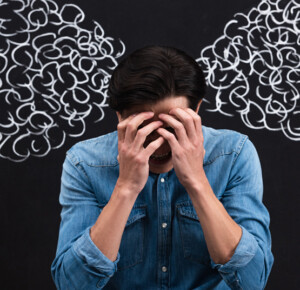
But there is also one insidious factor that women share as much of as men, especially in today’s world: stress. And it has direct effects on reproductive system.
Charlotte Traas, director of education, New Chapter, Vermont, contrasted, “When we were younger, if you had a big test or a stressful situation personally, you could offset your period by a few days due to stress. When you think about the stress and pressures of adulthood and how stress can cause the body to believe it is in a ‘fight or flight’ situation, you can imagine how that would impact our menstrual cycles and even our reproductive windows for conception.”
Cheryl Myers, chief of scientific affairs and education at EuroPharma, Inc. (Wisconsin), agreed, adding that experiencing stress “throws everything into a different orbit,” such as—state of mind and mood, ability to focus and concentrate, mental and physical energy levels, and on the biomolecular side, women’s hormones. “Stress can create havoc with hormonal cycles that affect reproduction, including changes in ovulation. So stress is absolutely a major aspect of reproductive health,” she underscored.
Stress, of course, causes and/or exacerbates anxiety and tension. Anxiety is the most common mental disorder in the U.S., according to the Anxiety and Depression Association of America (ADAA). And, according to such expert facilities as Texas Health and the Calm Clinic, women are twice a likely to be diagnosed with an anxiety disorder than men, while the lifetime prevalence rate for any anxiety disorder is 30.5 percent in women compared to 19.5 percent in men.
Specifically, stress can cause the following in women more easily than in men: generalized anxiety disorder (GAD), panic disorder/attacks, social anxiety disorder, phobias and separation anxiety. Stress in women can often lead to weight gain, nutrient deficiencies, headaches (and migraines), indigestion and irritable bowel. Symptoms can also be emotional (quick and frequent onset of anger episodes and frustration), social isolation, apathy, and work burnout.
According to Jennifer Weinhardt, BS MS, senior R&D specialist, Texas-based Bluebonnet Nutrition, “Anxiety affects 40 million Americans over the age of 18, which equates to nearly 20 percent of the population, and it costs the U.S. more than $42 billion a year. More than $22.84 billion of those costs are associated with the repeated use of health care services; people with anxiety disorders often seek relief for symptoms that mimic physical illnesses. According to the American Psychological Association, stress can impact a woman’s ability to menstruate, it can reduce her sexual desire, and can negatively impact her ability to conceive.”
Unfortunately, stress is a significant blockage to conception. In one study of 274 women of childbearing age (18 to 40) who were attempting pregnancy, researchers studied the stress association with successful pregnancy. They were observed for six menstrual cycles or until pregnancy. The women provided samples of their basal saliva during the sixth day of their cycles and also used fertility monitors to identify ovulation. The researchers found that the higher the alpha amylase, the more stress, and the stress significantly reduced the probability of conception during the fertile window.1
The aim of another study was to examine the relationship between perceived stress in the previous month and peri-menstrual symptom severity across two cycles in healthy women who were regularly menstruating.
In this study, at baseline—11 days prior to the first cycle in the evaluation—the women completed the four-item Perceived Stress Scale (PSS) for the prior month (first cycle exposure) and questionnaires on lifestyle factors. On cycle day 22 of a standardized 28-day cycle, they completed another PSS for the previous week (second cycle exposure) and each week rated the severity (none, mild, moderate, severe) of 17 psychological and physical symptoms (e.g., crying, cramping, pain). After analysis, the researchers found that stress scores were positively associated with increased symptom severity scores for total, psychological and physical symptoms. The conclusion was simple—increased stress leads to increased PMS symptoms and severity of symptoms.2
One review of studies focused on the impacts of stress on various parameters of female infertility and/or quality of life (QoL). The researchers found that “there is significant hormonal involvement in female body-stress response. “Since 1967 the majority of studies are in favor of the theory about an aberrant stress response of female body to distress stimuli mediated by hormones changes, whereas only a minority studies provided contradictory statements.”3
Myers underscored, “There are so many elements to women’s reproductive health, and working with the physiological effects of stress and desire are two of the most important.”
The bad news is women are more stressed and anxious than ever—2020 only partially to blame. The good news, however, especially for natural products retailers, is that “We’re all getting more comfortable talking about reproductive health and our menstrual cycles, and that’s having a huge impact on marketing campaigns,” related Traas. In the past, she pointed out, commercials for menstrual pads and tampons “were taboo and viewed as unrealistic (no, thank you, I don’t want to wear a white bikini on my period and do cartwheels on a beach).”
And yet, that scene underscores newer research into a different type of stress affecting women’s reproductive health—female athlete’s triad. This is a syndrome where severely restricted calorie intake/diet and extreme exercise/training leads to period cessation and other issues. Research is likewise focusing on how menstrual cycles and female reproductive hormones affect training and competitive outcomes. One study of 6,812 women sought to characterize the most common menstrual symptoms (as well as number and frequency of symptoms) to discern if those symptoms affected sporting outcomes. The most prevalent symptoms were found to be mental (mood change/s anxiety (90.6 percent), fatigue/tiredness (86.2 percent), cramps (84.2 percent) and breast tenderness (83.1 percent).
The authors of this landmark study proposed a novel measurement tool – Menstrual Symptom index (MSi) based on presence and frequency of 18 common menstrual symptoms. The conclusion of this work was that menstrual cycle symptoms did indeed affect participation and outcomes of training and competition performance and participation.4
As direct-to-consumer brands that sell via social media become more prevalent, their marketing messages are no holds barred. For example, Parlor Games’ Facebook advert, which asks, “Missing the fun you used to have in the sack? Heal the pain in your lady bits and end unwanted abstinence.” There’s a button to order, which proclaims, “Yes! I’m ready to heal my hooha!”
This spirited openness with a dash of bawdy humor emboldens women to seek natural solutions with no fear and no shame, which helps retailers to better market and merchandise to women as well. More women are also practicing whole-health habits including mindfulness, meditation, along with eating clean diets and exercising. The goal is to achieve and sustain a balance of optimal health in all areas—physical, mental, emotional, spiritual, family and professional.
Some women may order online but they are still very much involved in the retail environment, where connection with you and your staff are very important. As the saying goes, “You got this!”
Products for Her
Of course, there is a huge bounty of dietary supplements for women, and here are just a few.
Bluebonnet’s Intimate Essentials is a line of sexual health products developed to ignite desire, stimulate sexual chemistry, and support healthy hormone levels already within the normal range, described Weinhardt. She explained, “Supporting female sexual function is complicated because the cause of dysfunction is usually multifaceted—physical, hormonal, physiological and social.
For example, she elaborated, lower estrogen levels like that which occur with menopause often causes changes such as thinning of the genital tissues and reduced sexual responsiveness. A decrease in estrogen leads to decreased blood flow to the pelvic region, which can result in less genital sensation, as well as increased time to build arousal and reach orgasm.
Therefore, according to Weinhardt, ingredients like the amino acid L-arginine can support blood flow to this region, while herbs like damiana may support intimate comfort during intercourse by helping with lubrication. And because untreated long-term stress, anxiety or depression can also contribute to sexual dysfunction, adaptogenic herbs like Rhodiola rosea and lemon balm can help the body revitalize and cope with emotional and physical stress,” she added.
As more of your mature women customers open up about menopausal sexual impairment, another issue they may mention to you and your staff will be emotional—“body image issues can also contribute to sexual dysfunction,” Weinhardt stated. She recommends herbs such as maca have been shown to modulate psychological symptoms, including anxiety and depression, that may be associated with body image issues, and lowers measures of sexual dysfunction in postmenopausal women.
Bluebonnet’s Intimate Essentials For HER Sexual Response & Libido Boost, she described, “helps prepare a woman’s body and mind to address these multifaceted issues and respond more effectively to sexual cues and arousal thus boosting sexual desire and libido.” Additionally, Bluebonnet’s Intimate Essentials For HER Hormonal Balance contains botanicals commonly used for women’s health, such as black cohosh and vitex berry, plus dandelion root, DIM, and L-theanine to help boost a woman’s sexual energy by supporting healthy estrogen metabolism and maintaining overall hormonal balance.
New Chapter’s Estrotone, said Traas, gives support for both women who experience PMS and menopause. It supports the relief of menopausal symptoms, such as hot flashes, but may also support nervous tension and menstrual pain experienced by women with PMS.
One of EuroPharma’s newest supplements, HRG80 Red Ginseng Female Sexual Enhancement, features the company’s own HRG80 Red Ginseng plus ashwagandha, maca, rhodiola and zinc, according to Myers. These adaptogens combined with an essential mineral “can enhance sexual health in many ways, revitalizing sexual desire and sensation, balancing hormone levels, supporting better circulation throughout the body, and bolstering overall vigor and vitality,” she described.
For example, she reported, women in a placebo-controlled, double blind clinical study reported that red ginseng significantly improved their sexual arousal and desire. The success of red ginseng was strong enough for researchers to consider that the herb may be used as an alternative medicine for women to improve intimacy and libido. Previous research showed that red ginseng also boosted a sense of well-being, reduced menopause symptoms and increased arousal, orgasm and overall sexual satisfaction for premenopausal women as well.
The formula’s ashwagandha, maca, rhodiola and zinc, Myers said, likewise are well studied for their support of sexual drive and satisfaction, as well as for supporting daily energy and hormone balance. A pilot study found that ashwagandha was reported by women to improve multiple aspects of a self-reported questionnaire called the Female Sexual Function Index (FSFI). This included arousal, lubrication, orgasm and satisfaction. Researchers believe that withanolides, key compounds in ashwagandha, are primarily responsible for these effects, as well as reduced reactivity to stress.
Maca is known to be a sexual enhancement herb, typically for men, but it works in women too. In one clinical study, women who had experienced serious sexual arousal or orgasmic dysfunction found a significant improvement in sexual experience, satisfaction and libido in just three months after a daily regimen of maca supplementation. These results mirrored an earlier study that found similar results. And that while that previous research included men and women, 85 percent of the participants were women, so maca appears to work quite well in this case.
Myers explained, “Rhodiola can reduce feelings of stress, depression and the sense of burnout. According to research, it appears to have a direct action on receptors of our own natural brain chemistry, including noradrenalin, dopamine, serotonin and cholinergic receptors. It also may boost the expression of neuropeptide-Y (NPY), an amino acid peptide that calms the central nervous system and is reported in higher levels in individuals with a great degree of self-confidence.”
New from Renew Life is the Herholistic Probiotic line, featuring Herholistic Period Partner with 40 billion live cultures, 10 strains, and amino acids to reduce symptoms such as bloating, discomfort and low mood; Herholistic Prenatal Partner with 15 strains and 40 billion life cultures, along with ginger and vitamin C, to reduce discomfort from pregnancy; and Herholistic Menopause Partner with 12 strains and 40 billion live cultures blended with hops.
Mykind, from Garden of Life, is the Vity Award 2020 winner for its multiple, Women’s Once Daily. The gummies are USDA (U.S. Department of Agriculture)-certified Organic, and Non-GMO (genetically modified organism) Project Verified, as well as clean label—no sugars or syrups, or artificial additives. Available in Organic Berry flavor, the multi also contains organic Pacran whole food cranberry, and 800 IU vegan D3. The line also includes Women’s 40+ Multi Gummies containing organic black cohosh and 800 IU vegan vitamin D3, and Prenatal Multi Gummies containing 600 mcg folate.
Choices for your shelves are indeed plentiful but because of women’s enthusiastic openness, it is much easier to work with them to curate products that will move. “The fact that we are able to have conversations, open and frankly about women’s health, reproduction and menstrual cycles is a huge step forward and going to play a major role in moving the women’s health industry forward,” Traas concluded. VR
References:
1 Louis G.M., et al. (2011). “Stress reduces conception probabilities across the fertile window: evidence in support of relaxation.” Fertility and Sterility; 95(7): 2184–2189.
2 Gollenberg, A.L, et al. (2010). “Perceived Stress and Severity of Perimenstrual Symptoms: The BioCycle Study.” Journal of Women’s Health; 19(5): 959–967.
3 3 Paloma S, et al. “Lifestyle and fertility: the influence of stress and quality of life on female fertility” Reproductive Biology and Endocrinology 2018 16 113.
4 Bruinvels G, et al. “Prevalence and frequency of menstrual cycle symptoms are associated with availability to train and compete: a study of 6812 exercising women recruited using the Strava exercise app” British Journal of Sports Medicine 2020.
For More Information:
Bluebonnet Nutrition, www.bluebonnetnutrition.com
Garden of Life, www.gardenoflife.com
New Chapter, www.newchapter.com
Renew Life, www.renewlife.com
Terry Naturally/EuroPharma, www.europharmausa.com
![[Extra! Extra!] Gnosis Discusses What Retailers Should Know About Stress Relief Products](https://vitaminretailer.com/wp-content/uploads/2026/03/Stress-Anxiety-300x285-1774638246.jpg)