


You are what you eat. I know you have heard that expression, but I would adjust it to: You are what you digest. I have a lot of friends who are naturopathic physicians, and they often repeat the mantra “all health begins in the gut.” The more we learn about physiology, the more we learn about the complexities of the gastrointestinal (GI) system. The microbiome affects mental health, gastric acidity (or lack thereof) affects bone density, and intestinal motility impacts cholesterol and hormonal excretion, as well as cancer risk. What doesn’t the GI tract do?
When we think of GI health and distress, what first comes to mind are enzymes for proper digestion and probiotics to fortify the microbiome, which in turn can help with everything from inflammatory bowel disease, to depression, to immune response, to cardiac risk. Those are huge categories and much has been written on these important aspects of addressing GI health.
In this article, I’d like to explore somewhat lesser-known remedies for specific concerns, including deglycyrrhizinated licorice (DGL), boswellia, D-limonene and artichoke.
Licorice
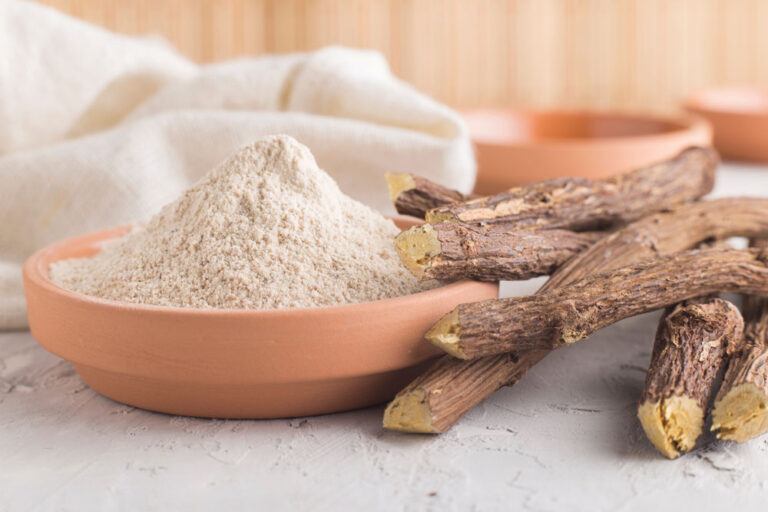
Licorice is not just tasty; it is a powerful medicinal herb. Regular licorice is excellent for adrenal health, keeping adrenal hormones active in the bloodstream longer. The outside of the licorice root contains glycyrrhizin, which is responsible for adrenal benefits. In very high doses, glycyrrhizin can raise blood pressure, so when using for licorice for its stomach and intestinal benefits, it is important to remove the glycyrrhizin, hence the ungainly name “deglycyrrhizinated licorice” or DGL.
DGL is best known for quieting stomach upset and healing ulcers. Research shows that DGL can increase blood flow to damaged tissues, increase cell proliferation for mucus producing cells, improve overall mucus production, and boost the life span of intestinal cells. In older studies, DGL was shown to heal ulcers as well as (or better than) cimetidine, at the time a prescription drug for reducing stomach acid. Cimetidine under the brand name Tagamet is now available as an over-the-counter drug in a lower dosage. It is quite impressive that DGL was able to heal ulcerations without damaging stomach acid.
Beyond ulcers, DGL can be useful for upset stomach. Whether for nausea, feeling overfull, or experiencing a sour stomach, DGL starts working very quickly. Originally, DGL was given in chewable tablets with a taste that was polarizing, but modern manufacturers now produce clinically studied encapsulated products that have a higher level of effectiveness at a lower dose.
Boswellia
Boswellia is one of my favorite herbs because it can be used for so many hard-to-treat conditions. The reason for its superpower is that it contains compounds that reduce 5-lipoxegenase (5-LOX) inflammation, a type of inflammation that is not relieved by any over-the-counter drug. Many consumers believe inflammation is all one thing, but it is actually a crazy quilt of different colors, each of which acts somewhat differently. When you twist an ankle or get a sunburn it is not the same kind of inflammation as one experiences in asthma or colitis.
Boswellia is able to reach that odd corner of the crazy quilt and do something about it. When we look at inflammatory diseases of the bowel, including Crohn’s disease, irritable and inflammatory bowel syndrome, and colitis, we see a high degree of 5-LOX activity. That makes boswellia a great answer for these problems.
In a double-blind, randomized, placebo-controlled trial, boswellia provided benefits for people with collagenous colitis. Patients received 400 mg of boswellia a day or placebo for six weeks. At the end of the study, 63.6 percent of the boswellia group had achieved clinical remission, versus only 26.7 percent of the placebo group.
In a very interesting cellular study, pretreatment with boswellia extract significantly reduced damage from inflammatory compounds. Boswellia and AKBA also reduced the activation of an inflammatory cytokine NFkB that would normally heighten the response to inflammatory substances. Overall, boswellia and AKBA maintained the structure and function of these cells by improving cell viability, decreasing free radicals, and reducing cellular permeability. These are promising results for people struggling with inflammatory bowel disorders, gastrointestinal hyperpermeability (“leaky gut”), and other gastrointestinal disturbances.
Boswellia is best taken ongoing. It takes a few weeks to notice benefits, so it is best to take a high-quality product standardized to more than 10 percent AKBA consistently.
D-Limonene
You may not have heard of D-limonene, but it continues to show research promise for gut problems, especially heartburn and gastroesophageal reflux disease (GERD). Even though it sounds a bit like a chemical, D-limonene is a natural compound found in citrus peels.
There is still debate on the mechanism of action of D-limonene and how it helps reduce or eliminate chronic heartburn. We know it is safe because it was originally investigated for its anti-cancer activities and given at doses up to 10 grams a day.
One theory is that D-limonene strengthens the doorway between the stomach and esophagus, helping the door to close more completely and avoiding acid splash back. Another theory is that it reduces the inflammatory activity of the stomach and esophagus. Regardless, human studies have demonstrated that it helps tremendously with GERD.
Currently, this compound is being investigated for its ability reduce the dysfunction found in colitis. In an animal model of colitis, d-limonene was shown to have potent anti-inflammatory effects. D-limonene was able to decrease two major inflammatory compounds in the body, called TNFa and NFkB. In the same study, oral supplementation with d-limonene was shown to decrease inflammatory markers in older adults.
Artichoke
Artichoke extract, standardized to caffeoylquinic acid, has been a staple of modern botanical medicine in Europe for decades. It has been clinically proven to help with dyspepsia. Dyspepsia includes symptoms such as feeling overfull after meals, gas (both upstairs and downstairs), bloating, discomfort, heartburn and loss of appetite.
In a 2002 study, a standardized artichoke extract was found to relieve mild dyspepsia. Participants were given either 320 or 640 mg per day for two months. At the end of the study, there was (on average) a 40 percent reduction overall dyspepsia, with similar relief between the 320 and 640 mg dosages. Quality of life was also significantly improved for both groups.
There are also studies showing that artichoke can provide relief for irritable bowel syndrome. However, one of the best uses of artichoke is not well investigated. It helps people struggling with gallbladder issues, and the gallbladder greatly impacts the effectiveness of digestion and the ability of the liver to rid itself of problematic compounds during detoxification. It helps with gallbladder inflammation and discomfort. However, artichoke also increases bile flow, which is usually a good thing. Bile is the vehicle by which the liver sends toxins into the gut for elimination. However, if people have gallstones, they should talk to their doctor before using artichoke, because in very rare situations, the improved bile flow might move the gallstones around (think of a river tumbling pebbles) and cause a blockage.
Conclusion
There are many clinically studied interventions to help people with GI health challenges. This is just a taste of some of the natural medicines that can make a real difference in health. VR
References:
Kim JM, Zheng HM, Lee BY, Lee WK, Lee DH. Anti-Helicobacter pylori Properties of GutGardTM. Preventive Nutrition and Food Science. 2013;18(2):104-110. doi:10.3746/pnf.2013.18.2.104.
Raveendra KR, Jayachandra, Srinivasa V, et al. An Extract of Glycyrrhiza glabra (GutGard) Alleviates Symptoms of Functional Dyspepsia: A Randomized, Double-Blind, Placebo-Controlled Study. Evidence-based Complementary and Alternative Medicine: eCAM. 2012;2012:216970. doi:10.1155/2012/216970.
Mukherjee M, Bhaskaran N, Srinath R, et al. Anti-ulcer and antioxidant activity of GutGard. Indian J Exp Biol. 2010 Mar;48(3):269-74.
Chandrasekaran CV, Deepak HB, Thiyagarajan P, et al. Dual inhibitory effect of Glycyrrhiza glabra (GutGard) on COX and LOX products. Phytomedicine. 2011;18(4):278–284.
Fukai T, Marumo A, Kaitou K, Kanda T, Terada S, Nomura T. Anti-Helicobacter pylori flavonoids from licorice extract. Life Sciences. 2002;71(12):1449–1463.
Aly AM, Al-Alousi L, Salem HA. Licorice: a possible anti-inflammatory and anti-ulcer drug. AAPS PharmSciTech. 2005;6(1, article 13):E74–E82.
Wittschier N, Faller G, Hensel A. Aqueous extracts and polysaccharides from Liquorice roots (Glycyrrhiza glabra L.) inhibit adhesion of Helicobacter pylori to human gastric mucosa. Journal of Ethnopharmacology. 2009;125(2):218–223.
Larkworthy W, Holgate PFL. Deglycyrrhizinized liquorice in the treatment of chronic duodenal ulcer. A retrospective endoscopic survey of 32 patients. The Practitioner. 1975;215(1290):787–792.
Madisch A, et al. Boswellia serrata extract for the treatment of collagenous colitis. A double-blind, randomized, placebo-controlled, multicenter trial. Int J Colorect Dis. 2007 Dec;22(12):1445-51.
Gupta I, Parihar A, Malhotra P, Singh GB, Lüdtke R, Safayhi H, Ammon HP. Effects of Boswellia serrata gum resin in patients with ulcerative colitis. Eur J Med Res. 1997 Jan;2(1):37-43.
Cantanzaro D, et al. Boswellia serrata Preserves Intestinal Epithelial Barrier from Oxidative and Inflammatory Damage. PLoS One. 2015 May 8;10(5):e0125375.
Gerhardt H, Seifert F, Buvari P, et al. Therapy of active Crohn disease with Boswellia serrata extract H 15. Z Gastroenterol. 2001;39:11-17. [Article in German]
Rahimi R, Nikfar S, Abdollahi M. Induction of clinical response and remission of inflammatory bowel disease by use of herbal medicines: a meta-analysis. World J Gastroenterol. 2013 Sep 14;19(34):5738-49. doi: 10.3748/wjg.v19.i34.5738.
Sumbul S, Ahmad MA, Mohd A, Mohd A. Role of phenolic compounds in peptic ulcer: An overview. J Pharm Bioallied Sci. 2011 Jul;3(3):361-7. doi: 10.4103/0975-7406.84437.
Patrick L. Gastroesophageal reflux disease (GERD): a review of conventional and alternative treatments. Altern Med Rev. 2011 Jun;16(2):116-33. PMID: 21649454.
Sun J. D-Limonene: safety and clinical applications. Altern Med Rev. 2007 Sep;12(3):259-64. PMID: 18072821. Yu L, Yan J, Sun Z. D-limonene exhibits anti-inflammatory and antioxidant properties in an ulcerative colitis rat model via regulation of iNOS, COX-2, PGE2 and ERK signaling pathways. Mol Med Rep. 2017 Apr;15(4):2339-2346.
de Souza MC, Vieira AJ, Beserra FP, Pellizzon CH, Nóbrega RH, Rozza AL. Gastroprotective effect of limonene in rats: Influence on oxidative stress, inflammation, and gene expression. Phytomedicine. 2019 Feb;53:37-42 Bundy R, Walker AF, Middleton RW, Marakis G, Booth JC. Artichoke leaf extract reduces symptoms of irritable bowel syndrome and improves quality of life in otherwise healthy volunteers suffering from concomitant dyspepsia: a subset analysis. J Altern Complement Med. 2004 Aug;10(4):667-9. doi: 10.1089/acm.2004.10.667. PMID: 15353023.
Marakis G, et al. Artichoke Leaf Extract Reduces Mild Dyspepsia in an Open Study. Phytomedicine. 2002 Dec;9(8):696-699.
Walker AF, Middleton RW, Petrowicz O. Artichoke leaf extract reduces symptoms of irritable bowel syndrome in a post-marketing surveillance study. Phytother Res. 2001 Feb;15(1):58-61.
Cheryl Myers is an integrative health nurse, author, and an expert on natural medicine. She is a nationally recognized speaker who has been interviewed by the New York Times, Wall Street Journal and Prevention magazine. Her many articles have been published in such diverse journals as Aesthetic Surgery Journal and Nutrition in Complementary Care, and her research on botanicals has been presented at the American College of Obstetrics and Gynecology and the North American Menopause Society. Myers is the head of scientific affairs and education for EuroPharma, Inc.