


The Council for Responsible Nutrition (CRN) has debunked myths about melatonin, a common sleep aid, for this year’s National Sleep Day, March 18.
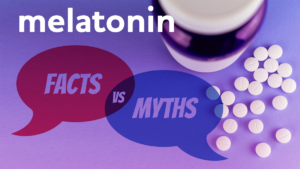 According to CRN’s 2021 Consumer Survey on Dietary Supplements, 70 percent of supplement users regularly get a good night’s sleep compared with 62 percent of non-users. The 2021 survey also indicates 11 percent of supplement users take melatonin. In recognition of National Sleep Day, CRN dispels four common myths about melatonin.
Melatonin Myth #1: Melatonin is a sedative.
Fact: Melatonin does not have sedative properties. Rather, melatonin is a hormone that is naturally produced by our bodies and helps to adjust our internal body clocks that, among other things, regulate sleep. If you take melatonin in the evening, it signals to your body that it is time to sleep.
Melatonin Myth #2: Melatonin is addictive
Fact: In scientific research, melatonin has not been shown to have addictive properties. It is important to follow label instructions as excessive doses may cause adverse side effects.
Melatonin Myth #3: Melatonin can be used to treat insomnia
Fact: Melatonin dietary supplements are intended for sleep support and jet lag. If you have long-term sleep difficulties or insomnia, consult a health care professional.
Melatonin Myth #4: The biggest myth of all–melatonin and other dietary supplements are not regulated by the FDA
Fact: FDA regulates both finished dietary supplement products and dietary ingredients. FDA regulates dietary supplements under a different set of regulations than those covering “conventional” foods and drug products (the Dietary Supplement Health and Education Act of 1994, or DSHEA). Among the many requirements, dietary supplements are subject to facility inspections, compliance with good manufacturing practices, labeling requirements, and adverse event reporting.
For more information, visit www.crnusa.org.