

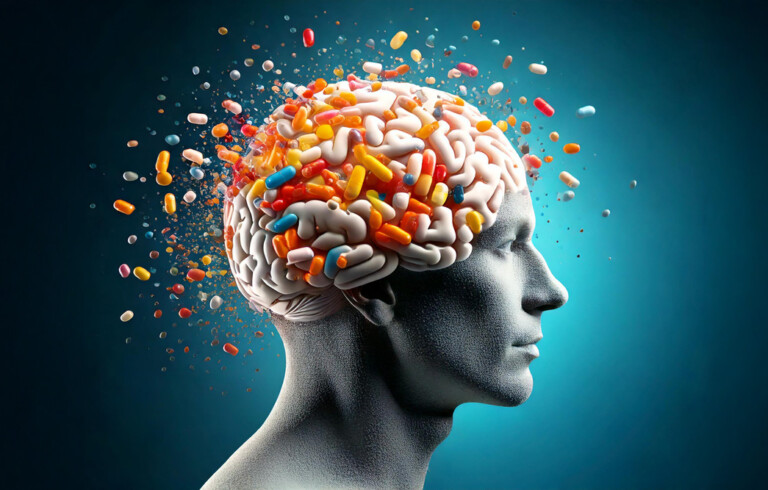
The market demand for brain and cognitive wellness support is taking off, and it’s not just for the seniors anymore.
“Drawing a blank on that.” “Having a senior moment.” “Having a brain toot.” These expressions have been uttered by nearly everyone, and some find themselves having more of these momentary empty mind-screens. The problem is your customers simply don’t like not having control of their cognitive functions.
No doubt, customers are seeking to improve their cognitive gymnastics ability.
Carl Germano, CNS, CDN, vice president of Verdant Nature, New York board-certified clinical nutritionist, consultant for Bluebonnet Nutrition (Sugar Land, TX) stated, “The dietary supplement cognitive support market has been experiencing robust growth, driven by an aging population concerned about cognitive decline, increased awareness of brain health, rising prevalence of neurological disorders and growing interest in nootropics among younger consumers.”
According to the most recent data, he cited, the global brain health supplements market was valued at $8.63 billion in 2022 and is expected to experience a CAGR (compound annual growth rate) of 13.3 percent from 2023 to 2030. Another source projects that the market will reach USD 23.41 billion by 2031, also growing at a CAGR of 13.3 percent during the forecast period (2024-2031).
According to Abdul Alkayali, vice president, sales and marketing, California-based Longevity by Nature, a Future Market Insights report, Brain Health Supplement Market Outlook from 2024 to 2034, global sales in this category are estimated to surpass $15 billion. “This reflects a strong consumer shift toward products aimed at improving memory, focus, mood and overall brain function,” he commented.
The population of older Americans is expected to increase to 20 percent by 2050, fueling the market growth of cognitive-support supplements, according to research from Fortune Business Insights. “The increase in the senior population in the developed economies has positively impacted the sales performance of cognition supplements,” said Slawomir Gromadzki, nutritionist, HealthAid America, California.
Sharon Paguio, vice president of marketing, New York-based Country Life, noted that the growth is “fueled by advancements in artificial intelligence, machine learning and the rising demand for personalized cognitive solutions.”
The market is diversifying, according to Germano, Alkayali and Paguio, all who pointed to key consumer groups who are seeking supplements to support their cognitive performance.
“Those seeking cognitive enhancement span a wide range of demographics, including older adults aiming to maintain cognitive function, students and young professionals looking to boost mental performance, middle-aged adults focusing on productivity, and athletes seeking a mental edge,” said Germano.
He characterized the driving factors to purchase cognitive function support supplements as “diverse,” and includes desire for improved memory, concentration, learning ability, as well as increased work productivity to gain a competitive edge in career or school, and prevention of age-related cognitive decline.
Retailer Alina Hornfeldt, co-owner of Mastel’s Health Foods, in St. Paul, MN, related, “We are seeing a lot of pro-active Gen Xers buying memory support supplements, looking to get ahead of age-related brain health issues before they start. They want to prolong their brain health and cognition for as long as possible.”
Gen Z is more into protecting their mental and cognitive health than previous generations at their age. Sébastien Bornet, vice president global sales and marketing, Horphag Research, observed that a “higher consciousness and increased conversation around cognitive health are also driving interest in the market and motivating consumers to engage at a younger age. There’s increased recognition that we must take care of our cognitive health earlier in life to support our health later in life.”
Alkayali sees the growth factors stemming from an aging population, rising awareness of cognitive health, and increased demand for natural and plant-based ingredients. Traditionally popular among older adults wishing to prevent cognitive decline, the cognitive health market is now attracting younger demographics, including students, e-gamers and professionals looking to enhance attention, focus and mental performance.
According to Paguio, this category is now more relevant in sports nutrition as athletes (including e-athletes) are seeking “improvement in focus and mental resilience.”
Annie Eng, CEO of HP Ingredients, Florida, agreed. “The active nutrition category is a boon for cognitive-support supplements. Athletes, trainers, those who work out and perform recreational sports, as well as gamers all can relate to the fact that a brain fog can vanquish energy. So much of physical performance—including those careers that are physical—is mental.”
Brain Drain Blame
Customers will seek out cognitive support solutions for a variety of common reasons.
For example, stress is a condition that impacts cognitive functions. “Stress and cognition are related, one of the primary reasons being that they are both brain related,” explained Nirmal Nair, CEO, California-based Sempera Organics. “Mild stress has been known to improve focus and cognition. Studies show that high stress or very high stress acutely impairs brain functions such as memory and cognitive performance.”
Alkayali noted that chronic stress, poor sleep, lack of exercise, chronic inflammation and exposure to toxins—all which affect overall health—also play an important role in diminishing cognition and brain health.
“Poor cognition and brain fog are major problems for many people,” underscored Gromadzki. “Lowered cognitive function results in lowered working efficiency, relationship problems and reduced quality of life. Millions of adults and teens struggle with mental fatigue, learning, reading and attention challenges.”
He blames a nutrient-depleted diet for much of the brain fog episodes. Cognitive issues are often caused by diets low in nutrients, and high in saturated fats, calories and sugar. A poor diet may increase oxidative stress and reduce our cognitive function.
Kate Quackenbush, communications director, Gnosis by Lesaffre, Wisconsin, pointed to aging as a significant factor contributing to challenged cognitive fluidity and performance. “Aging causes endogenous production of brain-support molecules such as SAMe (S-adenosyl-l-methionine) which is a necessary metabolite in multiple pathways needed for neuronal homeostasis.
Similarly, she explained, the incidence of damaging levels of homocysteine in older adults is significant. The relationship between serum folate and poor cognitive function may be due to the role of folate in controlling/reducing homocysteine in the blood and its effects on the vascular system. Folate deficiency is one of the main causes of excessive homocysteine.
Beyond the usual suspects, Germano asserted that environmental and social aspects impact cognitive ability, as does lack of mental stimulation. “Additionally, age-related hearing loss has been associated with cognitive impairment and dementia,” he said. “Understanding these key elements that drain the brain or impact fluid cognition is essential for developing strategies to protect and enhance overall brain health.”
The Brain’s Role in Mind Control
The mind may appear amorphous, perhaps an abstract. But tremendous work in neuroscience has found that what we know of as the mind is located in the cerebrum, located at the top of the brain. This region is the engine for imagining, problem solving, planning, cogitating, playing games, reading, as well as recognizing people, places and things.
More specifically, explained Paguio, key areas in the cerebrum are the prefrontal cortex, which is involved in executive functions: planning, decision making and problem solving; the hippocampus, which is necessary for memory formation and spatial navigation; and the amygdala, the seat of emotional processing.
Germano stated, “The relationship between brain structure and cognitive abilities is intricate and multifaceted.” He explained, “Multiple brain structures, particularly the gray matter structural network, are associated with intelligence and cognitive function at the network level. Specific regions and networks, such as the cerebello-parietal and frontal components, have been significantly linked to intelligence. These structural networks interact with different domains of cognitive functions; for instance, the cerebellar component is associated with visuomotor ability and processing speed. The cerebral cortex, comprising about 80 percent of the brain’s total volume, contains physical structures responsible for most higher cognitive functions, including sophisticated information processing and mental imagery.”
Alkayali pointed out that the brain contains approximately 86 billion neurons connected by trillions of synapses (junctions between neurons) that form complex neural networks enabling cognitive functions such as thinking, decision-making, problem-solving and memory. Information is transmitted across synapses through neurotransmitters, many of which are synthesized from amino acids, that are essential for cognition and healthy brain function.
“Researchers have demonstrated that both regional and inter-regional relationships between brain structure and function can profoundly influence cognition in healthy and clinical populations,” said Gromadzki.
Researchers found that reduced integrity of white matter in the anterior part of the corpus callosum and increased activity in right prefrontal cortex was linked to a severe memory decline. “It was argued that the unique activity in right frontal regions observed for the older group with memory impairment may have been a key mechanism for the structural disruption,” Gromadzki explained.
According to Quackenbush, the complex, multifaceted relationship between brain structure and cognitive abilities involves healthy one-carbon metabolism. Alterations in the one-carbon cycle can lead to oxidative stress, impaired methylation, and, ultimately, cognitive decline.
Brain Support Ingredients
The beauty of this category is that there is a cache of ingredients and products that can support both healthy brain function and improved cognitive functionality. You will likely see more products containing science-backed ingredients supporting both brain function and cognition/memory.
For example, according to Ståle Søfting, sales and marketing director, GC Rieber VivoMega, Norway, studies have strongly associated brain function with omega-3 EFA status. For example, the Framingham Heart Study, which followed 900 participants over nine years, demonstrated a 47 percent lower incidence of dementia in individuals with the highest levels of DHA in their blood. Other studies, including recent meta-analyses, confirm that omega-3s are vital for maintaining cognition as we age.
“As some of the world’s most clinically studied supplements, they have been shown to positively influence learning, behavior, mood, brain development, and memory,” he described. “Several studies also highlight a strong connection between the intake of marine omega-3s, like EPA and DHA, and improved cognitive health.”
According to Søfting, GC Rieber VivoMega has introduced VivoMega Algae Oils, a vegan EPA & DHA option derived from microalgae. Processed using GC Reiber’s proprietary SuperLight technology, the algae oils are said to meet the highest recognized quality standards, including GOED and IFOS 5-Star certification, while aligning with the E.U. Green Deal initiatives and UN Global Compact guidelines, “making them an ideal choice for the environmentally conscious consumer,” he commented.
Lion’s mane mushroom has garnered tremendous attention and is a popular supplement for those seeking cognitive support. “Studies show that lion’s mane compounds like hericenones and erinacines may accelerate brain cell growth,” Nair said. “Some studies have suggested that taking lion’s mane may boost thinking and memory processes. It may also be neuroprotective. Sempera Organics’ studies conducted at Northumbria University suggest that there are positive trends to stress reduction and improved cognition when taking our SO-DSX1 lion’s mane.”
Nair predicted that there will be more mushroom beverages. Mushroom ingredients are challenging for inclusion because of their distinct flavor that can range from mild to distinctive from their volatiles and phenolic constituents, he explained. This is true of lion’s mane, especially in beverages. Brands often struggle in figuring out how to alter the taste and mouthfeel of the mushroom—without compromising efficacy—to make a desirable beverage. “To make it easier for product formulation with mushrooms, Sempera is launching FlavorFixed (FF) versions of its mushroom ingredients,” he reported. Sempera’s Full Spectrum Lion’s mane mushroom and the clinically proven Lion’s mane product SO-DSX1 are both available in FlavorFixed versions for use in beverages.
KollaJell by Longevity by Nature is a patented, first-of-its-kind nutritional supplement containing jellyfish collagen (types I, II, and V) formulated to support brain health and cognition, according to Alkayali. It contains all 20 essential and nonessential amino acids, including glutamate, serine and tryptophan, which are critical precursors for neurotransmitters like serotonin, which is essential for mood regulation and neural communication in the central nervous system.
“Amino acids in KollaJell are also recognized by gut receptors, contributing to the modulation of the enteric nervous system and intestinal inflammation, thus playing a role in gut-brain interactions,” he described. “Although more research is required to fully understand these connections, the science to date suggests a strong link between gut health and cognitive function. KollaJell also contains natural neuroprotective antioxidants and calcium-binding proteins that also support brain health.”
Several therapeutic targets have been identified to slow potential onset and progression of cognitive decline, including restoring methylation capacity, optimizing response to oxidative stress and reducing homocysteine levels, according to Quackenbush. “Supplementation with B vitamins, S-adenosyl-L-methionine (SAMe), antioxidants, and probiotics have shown promising results, and further research is ongoing to establish their application and efficacy.”
Gnosis’ Adonat Premium SAMe is shown to support a healthy mood and well-being through its involvement in methylating neurotransmitters. Moreover, research has shown that SAMe, which can cross the blood-brain barrier, protects brain function by maintaining adequate levels of phosphatidylcholine, which affects memory, learning and attention; generates glutathione, a powerful antioxidant; and helps to manage homocysteine levels, as high homocysteine is a recognized risk factor for cognitive decline.
Supplementation with Gnosis’ Quatrefolic, the glucosamine salt of folate, can maximize cognitive benefits, supplying the active form of folate without requiring metabolization. It supports brain function by normalizing homocysteine levels, sustaining glutathione production and optimizing response to oxidative stress.
“Adonat and Quatrefolic provide such strong complementary action that Gnosis recently introduced Brain-Quantum (BQ) Tablets, an exclusive formula with these patented ingredients and vitamin B12 that work synergistically to sustain, and protect brain functionality and help balance mood,” said Quackenbush.
Supporting the structure and function of the brain, noted Eng, is the first step to ensuring improved cognitive performance. HP Ingredients’ ParActin Andrographis paniculata, has been shown in studies to significantly reduce both oxidative stress and neuro-inflammation, and to stimulate neurogenesis. IQ200 kesum has been demonstrated in human clinical studies to bolster learning, mood and memory.
Pycnogenol may help improve attention span, memory, decision-making and overall cognitive function, according to Bornet. “This study was unique in that it observed how Pycnogenol can positively impact mood as participants reported feeling less anxiety and a stronger sense of contentedness. That may be connected to the mental performance boost and demonstrates the effects of dramatic reduction of oxidative stress,” he explained. Pycnogenol was also found to improve memory and test scores in college students decrease test anxiety by 17 percent.
Additionally, Horphag’s Robuvit standardized extract of French oak wood has been shown to help people to better deal with stressful situations, mood changes and resulting fatigue.
Cogitating Finished Products
At Mastel’s Health Foods, Hornfeldt said, “Ginkgo biloba has remained steady, however the new items like ergothioneine are very exciting for the staff to share and we are getting more training on the newer products.”
Here is a sampling of products to consider for your customers to keep them thinking good thoughts.
HealthAid’s Ginkgo Vital 3 features Ginkgo biloba extract, combined with concentrated Siberian eleuthero and Korean ginseng paste extract, and is formulated for consumers who want to support cognition, stress reduction and energy.
Gromadzki explained that Ginkgo biloba leaf extract is commonly used to support brain health, memory, vascular health, and circulation. Various antioxidants such as quercetin and rutin found in ginkgo help protect against free radicals. “Gingko biloba is recognized for its ability to help slow down cognitive decline as it is an antioxidant with anti-inflammatory benefits. It has been known to help oxygenate the brain cells improving energy and brain function.
Korean ginseng and Siberian eleuthero are adaptogens which have been known to promote concentration and mental clarity, protect the body and brain against the adverse effects of stress, and enhance physical and mental performance.
Bluebonnet’s Brain Power contains lion’s mane, bacopa, cytidine diphosphocholine (CDP-Choline), phosphatidylserine (PS), and blueberry extract. “It offers a potent combination of nootropic ingredients designed to support cognitive function and brain health from students to stressed out adults to Type A executives,” described Germano. “This comprehensive blend targets multiple aspects of brain function, potentially offering synergistic effects to enhance overall cognitive performance, memory and mental clarity.”
Country Life’s Sharp Thought supports memory, faster recall and increases mental clarity, according to Paguio. “A sharp mind is key to success,” she said. “Sharp Thought contains phosphatidylserine and DHA from omega-3 fatty acids. Sharp Gold PS is clinically studied to help memory, support brain cells, and healthy neurotransmission. In our unique formula, PS is chemically linked with DHA, similar to how it naturally appears in the brain, making it easier for the body to recognize and use,” she emphasized.
Final Thoughts
More than ever, the brain support supplement category is relevant for all ages. And, stated Quackenbush, “brain health/cognitive support is not a temporary fad. It is here to stay, considering the global phenomenon of the aging population worldwide. The opportunities are vast, particularly with new demographics that remain untapped.”
Germano added that the growing interest in the category “reflects a broader societal trend toward optimizing mental performance and maintaining brain health throughout all stages of life, underlining the market’s potential for continued expansion in the coming years.”
That’s something to think about.VR
For More Information:
Bluebonnet Nutrition Corp., www.bluebonnetnutrition.com
Country Life, LLC, https://countrylifevitamins.com/
GC Rieber, www.vivomega.com
Gnosis by Lesaffre, www.gnosisbylesaffre.com
HealthAid America, www.healthaidamerica.com
Horphag Research, www.pycnogenol.com
HP Ingredients, www.hpingredients.com
Longevity by Nature, www.longevitybynature.biz
Sempera Organics, www.semperaorganics.com