

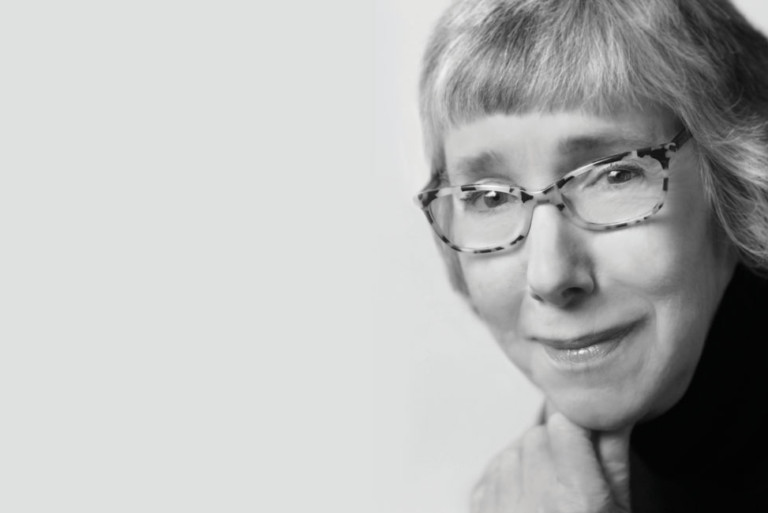
Debra Stark, Founder and Co-owner
Debra’s Natural Gourmet
98 Commonwealth Ave., Concord, MA 01742
[email protected]
The day Debra Stark opened Debra’s Natural Gourmet, the store was shut down because she didn’t have a license to sell dairy. On day two, the town of Concord, MA shut her shop down again because there was no Common Victualler’s License. Instead of knowing regulatory law, Stark had ordered 6,000 pounds of olives in 5-gallon pails from California, convinced that everyone in town would love olives as much as she did. It took eight years before she and her family ate all of those olives.
Now, 30 years later, Stark reminisces and shares recipes and lessons learned about business, life and being happy in her book, The Little Shop That Could: A Retailer’s Love Affair With Community and Food.
Here, she discusses her inspirations for writing the book.
Question: Why did you decide to write this book?
Answer: I’ve been writing this book in my head for the last 30 years because our shop and life in the natural products industry have given my life meaning and created a community (staff, customers, vendors, distributors, writers at magazines and folks who put on expos) of people I’d never have met otherwise! My life is so much richer with all these human connections.
Because it is my book and I could, I had great fun sharing why I don’t believe we should refrigerate eggs. Why I wish we didn’t have to wear rubber gloves. Why using plastic cutting boards isn’t okay and that wood cutting boards are scientifically better. I’ve shared favorite tidbits, such as sip hot water for what ails you.
Question: You’ve said that your mother was also very significant to writing the book. Please describe her influence on you regarding natural products, your business and living a healthy lifestyle.
Answer: I also wrote this book for my mother, Beatrice Stark, who marched to her own drummer. This story is her legacy about how she raised me and my brothers and how she helped me open our shop. Because of her, it exists. I had great fun looking back at some of the stuff mom did when I was growing up, such as:
• Giving pop a handful of pumpkin seeds daily to prevent prostate problems. From the time I was a little kid, I knew we wanted no prostate problems in our house!
• Using raw local honey to heal wounds. The flies loved us.
• Sending us out to the yard to pick rose hip berries off the 100 bushes she’d had my father plant so we could chew them for vitamin C.
• Mom made sure the meat she fed us was grass fed long before there was a term for that, and she fed us chickens that ran around and caught worms.
• Mom ground her own flours and made her own breads. My interest in food as a means of earning a living took a serious turn when our dentist in the 1950s offered her $40 per loaf for her heavy loaves of seed bread. I was convinced there was money to be made from natural and organic products.
• We’d come home from school to freshly made raw vegetable juice.
Because of Mom, I decided to open Debra’s Natural Gourmet in October 1989. And all of this is in the book. Also in the book is the story about how the shop came to be and how people in town reacted. I put in every cent I had and got help from my parents and my brothers. Years later, I discovered that people in town were taking bets that I’d never make it. After all, I opened at the height of the 1989 recession and made every mistake known to man or woman. For heaven’s sake, I put the shelving together wrong—twice. I didn’t know that an SRP exists so one can pay rent and the electric bill.
Question: Please describe your writing process.
Answer: I’ve always loved collecting stories. I saved emails, notes, cards, newsletters and staff memos, as well. It seemed if I could just collect all those, choose chapter titles and drop what I’d saved into the appropriate spot, the book would write itself.
I took a writing intensive at Kripalu Center (yoga retreat): “The book you were meant to write.” There, people asked what the book would be about. What genre? I couldn’t answer that question because I wanted the book to be a combination of things, such as stories about childhood, stories about learning to do business and about the people met along the way. But I also wanted recipes and advice for those who might need lavender or arnica. I wanted a book to make people think about food waste and food politics. And because I’ve always been amazed at how interested people are to learn about our fellow independent natural food retailers around the country, our trade shows and all the characters and companies in the natural products industry, I wanted those chapters too.