


Your bone health section should serve as the foundation for good health and well-being for all customers. Here’s why.
Who thinks about their bones unless they break one? Most people don’t.
But those who ignore supporting bone health through proper supplementation (and good lifestyle habits) do so at their own peril, especially women. According to Tori Hudson, ND, director of research and development and product formulator, Vitanica, Oregon, in the National Health and Nutrition Examination Survey of 2013-2014, 16.5 percent of American women aged 50 years or older had osteoporosis at either the femoral neck or lumbar spine. The prevalence of osteoporosis of the femoral neck increases with age from 6.8 percent in women aged 50-59 to a striking 34.9 percent in women aged 80 years and older. Most osteoporosis fractures occur in postmenopausal women, with two-thirds of them after age 75.
Further, she warned, “Hip fractures after age 82 are the most life altering and up to a 25 percent increase in mortality within one year of the fracture. And it’s not just mortality—up to 25 percent of women require long-term care after a hip fracture and 50 percent will have some long-term loss of their mobility.”
So where is the knowledge at? Retailer Kathy Biskey, wellness manager, LifeSource Natural Foods (Salem, OR), observed, “It seems to me like common knowledge about bone health is at a basic level.”
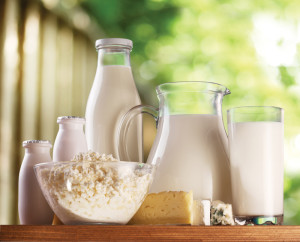
She expanded, “Very few think about getting calcium from their food, and if they do, milk is the only food on their radar. It is common that a customer will think that they need to take a calcium supplement that equals the amount recommended by their doctor, without allowing for what they will be getting in their diet.
Most of LifeSource Natural Foods’ customers, Biskey noted, are simply seeking the amount of calcium that their doctor has recommended they take. However, she emphasized, “a growing number are asking about more complex formulas, should they include K2 and D3 with their calcium, or what form of calcium will be best absorbed.”
According to Stacey Littlefield, product formulator/master herbalist, Illinois-based Redd Remedies, happily today, most women in their 40s and post-menopausal women understand the importance of calcium and bone health supplements to help preserve bone strength and health. “However, women do not realize that the most important stage of life to set a foundation for strong, healthy bones over a lifetime is not their mid to late 40s or even their 30s—it’s when they are young.”
In Littlefield’s viewpoint, calcium, magnesium and now vitamin K2 will give the most benefit for a lifetime of strong bones during the teenage years and in the early 20s. This really isn’t the time women focus on their bones, but it should be. The critical knowledge is this: by the time women are in their 40s or are post-menopausal, bone supplements are not helping to create new, strong bone tissues; they are helping to maintain what is already there—the largest impact to bone health is made when the bones are growing—and that happens much earlier in life.
Neil Edward Levin, CCN, DANLA, senior nutrition education manager, NOW, Illinois, agreed that the strong interest from postmenopausal women in particular is notable. “But men also suffer from bone frailty as we age; the loss of muscle associated with aging also affects our structural strength and flexibility, and may highlight nutrient insufficiencies including protein, calcium and vitamins as missing bone health cofactors. The lack of healthy levels of stomach acid may tend to increase the number of nutrients that cannot be properly digested and absorbed from foods (including vitamin B12) or non-acidified mineral sources consumed,” he explained.
While many consumers understand that although peak bone density occurs in our 20s, with slight declines following over the next 20 years or so, they do not realize that a sedentary lifestyle, especially if away from sunlight, could erode calcium reserves in the bones at any age. Further, he added, most people also do not understand the link between other aspects of diet and bone health. For example, Levin provided, an acidifying diet (versus a healthy alkalinizing diet) may strip calcium from bones in an attempt to raise the pH in the body to maintain appropriate healthy levels. So, a healthy whole food diet that is largely plant-based is important to help preserve bone density.
It’s generally understood that in women, hormones are also important, and post menopause is a key time for bone repair and remodeling to decline, affecting healthy maintenance. “However, men’s hormones also tend to decline with age, and the important ones for men’s bone health are both estradiol (a form of estrogen) and testosterone. WebMD reports that men catch up to women in the rate of bone loss around age 70. Hip, spine, and wrist bones are especially at risk in men,” Levin commented.
As a supplement category, bone health products are relatively popular, pointed out Gene Bruno, MS, MHS, RH(AHG), vice president of scientific and regulatory affairs, Twinlab, Florida. According to the 2020 Council for Responsible Nutrition (CRN) Consumer Survey on Dietary Supplements, fully 21 percent of supplement users reported taking dietary supplements to support bone health. “Interestingly, not all those users are postmenopausal women anymore. In fact, the CRN survey indicates that 18 percent of bone health supplement uses are 18-34 years old, 19 percent of them are 35-54 years old and 25 percent of them are 55 or more years of age.”
David Winston RH(AHG), founder and president, Herbalist & Alchemist, New Jersey, observed that many customers may still make “outdated assumptions about their bones and not prioritize bone health. Bones have been looked at as relatively inert structures that are important for shape, structure, mobility and calcium homeostasis, but research published over the last 15 years shows that the bones are dynamic and have endocrine function.”
He added that osteocalcin helps bones modulate glucose tolerance, testosterone production and energy expenditure, and newer research shows that healthy bone is necessary for maintaining weight and protecting against metabolic syndrome and diabetes type 2. “This means the health of your bones is not just an issue in old age or for one gender,” he stated.
The Calcium Connection
In recent years, calcium has been associated with heart disease (arterial stiffening), and there appears to be some confusion about calcium types and what amounts are really safe.
According to Bruno, while calcium is known to be a component in arterial stiffening, it isn’t a fact that supplementation with calcium contributes toward this process. For example, he pointed to an epidemiological study of the relationship between calcium intake and coronary artery calcification (CAC). In this study, calcium intake was categorized into five intake levels, looking at total calcium intake (food + supplements) and intake from supplements specifically. The researchers found that those with the lowest intake of calcium from diet (306 mg/day) and supplements (91 mg/day) were at highest risk for CAC, while those with the highest intake of calcium from diet (1,280 mg/day) and supplements (1,223 mg/day) had no increased risk of CAC.
“At first glance, these results might seem counter-intuitive to the study conclusions that calcium supplementation increase CAC risk,” he commented. “However, it may suggest something else not noted in the study—namely, that those getting the most calcium from diet and supplements may also be getting higher levels of other nutrients as well (including vitamin K2) which may positively impact bone health and arterial health.”
Hudson added that the association between calcium consumption and heart disease is “based on some research that was since reanalyzed and interpreted. As it stands currently, we can say that calcium supplementation does not cause heart disease.”
She pointed out that the Institute of Medicine (IOM) committee proposed daily intakes of calcium of 1,000 to 1,200 mg/day with an upper limit of 2,000 mg/day for postmenopausal women yet “these recommendations are based on uncertain and even inconsistent data,” she said.
According to Hudson, the average daily dietary intake of calcium for women in the U.S. and Canada is 700 mg to 800 mg daily. Approximately one-third is ingested from dairy products. Women who consume an average dairy-free diet only obtains about 500 mg of calcium per day.
In the Women’s Health Initiative (WHI) Calcium and Vitamin D study, she noted, the average calcium intake was about 1,100 mg daily. In the group that added another 1,000 mg of daily calcium supplement, the risk of kidney stones was increased by 17 percent.
“There have been reports of the possibility that a calcium supplement of 1,000 mg/day with a total diet plus supplement of 2,000 mg/day is associated with increased cardiovascular risk,” she commented. “Any association of total calcium intake with cardiovascular risk was not seen in the WHI. An analysis published in 2016 found that a calcium intake of 2,000 mg to 2,500 mg/day was not associated with cardiovascular risk in healthy adults. Due to any lack of benefit for a total of more than 1,200 mg/day of dietary plus supplemental calcium, the recommendation of about 1,200 mg/day total is still given for postmenopausal women with or without osteoporosis and for women of any age with osteoporosis.”
There are other relationships at work in the association between calcium and heart disease. According to Levin, calcium accumulation in arteries tends to be a later result of arterial damage caused by poorly constructed or poorly maintained collagen forming the arterial tissue. Vitamin C is required for collagen formation and antioxidants are needed to maintain existing collagen structures. Also, lysine and proline are needed to cross-link collagen for strength and stability.
And, he explained, “when arteries become damaged the body patches their eroded surfaces with plaque, which later attracts calcium. That calcium should be sent to other tissues, including bones, but requires vitamin K2 for that purpose. So, we see that formulas providing vitamin K2 in addition to calcium and vitamin D have become more popular as consumers are better educated about the big picture of how minerals like calcium require other nutrient cofactors to be properly utilized.”
Types of calcium are important to discuss with your customers. According to Littlefield, as a distinction needs to be made between calcium carbonate mined from the ground (which is associated with a higher risk of heart disease) and calcium carbonate that is derived from a living organism—such as the eggshells of chickens. She explained, “While earth-derived calcium carbonate lacks co-factors for bone health, calcium from eggshells exists in an organic matrix that includes transporter proteins, and proteoglycans (proteins bonded to glycosaminoglycans, including chondroitin sulfate and hyaluron) and other beneficial minerals including manganese, strontium and magnesium. These co-factors are naturally occurring in eggshell calcium and that is what makes this type of calcium carbonate different and more beneficial for bone health. It’s all about the co-factors.”
In the case of calcium carbonate (40 percent elemental calcium) versus calcium citrate (21 percent elemental calcium), the average absorption rate is 26 percent for the carbonate form and 23 percent for the citrate form; the carbonate is insoluble at a neutral pH but is very soluble in the presence of strong stomach acid, Levin explained. “In fact, the carbonate is about twice as soluble as the citrate in an acidic environment, so calcium carbonate should be taken with meals but avoided by those taking antacids.”
Another source gaining traction, he pointed out, is plant-derived calcium carbonate from algae, specifically the Aquamin Red Mineral Algae, which has a different structure than rock powders supplying calcium that make it more bioavailable than traditional forms of calcium carbonate (as well as also supplying some naturally occurring magnesium and trace minerals). “Aquamin is 30 percent elemental calcium, versus 40 percent for rock powder calcium carbonate, but the advantage of better solubility and additional mineral content compensates for that difference and Aquamin still has more calcium than calcium citrate (21 percent elemental calcium) and a lower heavy metal profile.”
Calcium needs vitamins D and K2 for bone health. MenaQ7 vitamin K2 menaquinone-7, an ingredient by Gnosis by LeSaffre, was shown in a 2013 published study to help improve bone health in post-menopausal women who took it for three years. As Littlefield said, “vitamin K2 ‘redirects’ calcium away from the heart and into where it’s needed—bones.”
“Taking calcium without the essential co-factors (vitamins D, K2 and C, magnesium, potassium, zinc, silicic acid, phosphorus, essential fatty acids) is a simply a bad idea,” Winston asserted. “Women is our country have been the recipients of poor and incomplete nutritional information for several decades, which has led to increased calcification of arteries, heart valves, kidney stones, arthritis and other issues due to excess calcium intake without these other needed factors for effective absorption and utilization of calcium. This is one reason I prefer to utilize herbs as part of a healthy bone formula.”
While customers expect their bone-health supplements to feature calcium, they are expecting calcium to be supported with vitamin D and now, more and more are expecting vitamin K2.
There are ingredients that are slowly gaining momentum among consumers for bone health products.
One ingredient that Courtney Keller, sales and marketing manager, Kentucky-based Cogent Solutions Group, said she feels is overlooked in bone-support supplements is hyaluronic acid (also known has hyaluronan or HA). Within bone itself, she explained, the presence of hyaluronan is primarily linked to its roles in the bone modeling and remodeling processes. Hyaluronan has been shown to regulate bone remodeling by stimulating osteoblasts and osteocytes as well as inhibiting osteoclasts. Intriguingly, hyaluronan taken orally has been shown to reduce urinary markers of bone resorption and ovariectomy-induced bone loss, indicating that hyaluronan may suppress bone resorption.
In Winston’s viewpoint, while the essential nutrients for bone health are relatively well known (calcium, magnesium, vitamins D, K2, and even boron, potassium and vitamin C), many of the co-factors for bone health such as silicic acid (organic silica) and isoflavones are not as familiar for their roles in bone health. These substances, along with many macro and trace minerals, carotenoids, stilbenes and flavonoids, are abundant in plants.
Herbs, such as alfalfa, nettle leaf, horsetail and dandelion leaf, have been used for thousands of years in traditional medicine to strengthen bones, teeth, hair, nails and skin. Currently, he said, these herbs can also help promote healthy bone remodeling, as well as promote healing of bone fractures. “The complex chemistry of these plants enhances the activity of the usual ‘bone nutrients’ and creates a synergistic action and a more effective response,” he said.
Category Targeting
At LifeSource Natural Foods, said Biskey, the staff merchandise by grouping together simple calcium and cal-mag combinations. They also group together bone support formulas, and then we group algae-based calcium bone support formulas. All calcium supplements and bone support supplement blends sell well here, she emphasized. “We do especially well with all the complete bone support formulas that we offer. I believe that our time spent educating plays a role in our customers understanding what is in the formulas and why.”
Bone health products are not only for menopausal and post-menopausal women, it is relevant for nearly all customers, even if they don’t come in for this type of self-care supplement. For example, Littlefield suggested that retailers should draw more attention to the importance of bone supplements for younger women and girls.
“It is important to remind consumers that diseases that have to do with bone density are not exclusive to women alone,” Keller emphasized. “While things like osteoporosis are usually pigeonholed as ‘women’s disease,’ it is important to educate consumers that men are not immune to the condition.”
Be proactive in ensuring that customers’ children are taking supplements that have bone-health ingredients, Levin suggested. “Children and teens are still growing and building bone, so should supplement to bridge any potential gaps in their diets,” he explained. “Young adults need to maximize bone density to ensure healthy bones into their senior years.”
Other relevant bone-support candidates, Levin added, include customers following popular diets who may have special nutritional needs that aren’t adequately covered without supplements. For example, vegan diets may lack protein and zinc, as well as vitamin D, calcium and vitamin B12, which is needed to maintain normal levels of the collagen-damaging risk factor homocysteine. Paleo, ketogenic, gluten-free and other low-carb diets may lack dietary antioxidants such as vitamins A, C and E along with polyphenols that protect collagen in the body; and may also lack vitamin D and calcium sources. Ask which diet the customer mostly follows and about content of bone-support nutrients regularly consumed; they may need to fill in gaps.
Bone health is largely ignored until a problem arises, and typically that problem is significant. Winston related, “The adage ‘an ounce of prevention is worth a pound of cure’ certainly holds true for bone health.” VR
For More Information:
Cogent Solutions Group, www.cogentsolutionsgroup.com
Gnosis by LeSaffre, www.gnosisbylesaffre.com
Herbalist & Alchemist, www.herbalist-alchemist.com
NOW Foods, www.nowfoods.com
Redd Remedies, www.reddremedies.com
Twinlab, www.twinlab.com
Vitanica, www.vitanica.com


![[Extra! Extra!] Inflammation and its Impact on Bone Density](https://vitaminretailer.com/wp-content/uploads/2025/04/Bone-Joint-Health-300x294-1745943990.jpg)