


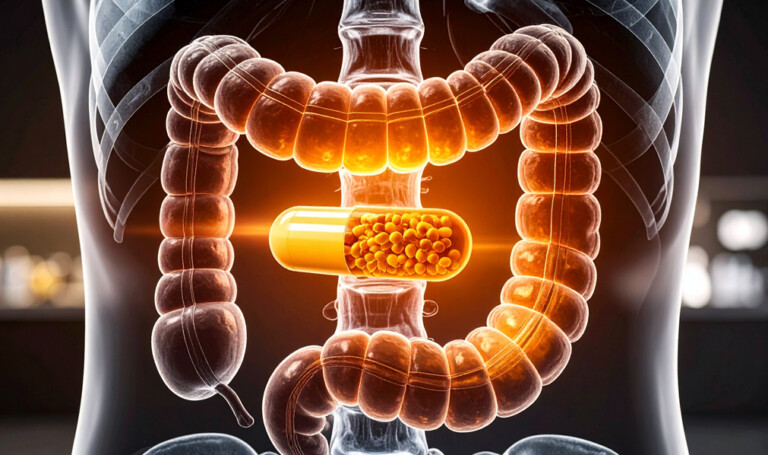
The biotics and enzyme category continues to grow and expand as consumers learn more about their benefits.
The biotics and enzyme category has come a long way. In 2007, Jamie Lee Curtis touted the benefits of probiotics in a series of commercials for Activia yogurt, causing consumers to become more aware of the health of their digestive tracts. And while many were initially attracted to the biotics and enzymes to deal with digestive issues, in the years since, consumers have been shown that the benefits stretch far beyond the gut, as digestive health impacts overall health, including immune function, skin health, mental health and energy levels.
“Consumers are becoming increasingly aware of the connection between gut health and overall wellness, and that awareness is translating into consistent demand for high-quality, probiotic supplements,” noted Slawek Gromadzki, nutritionist for HealthAid America (Sunnyvale, CA).
“Looking ahead, the potential for this market is significant. Several key trends are driving long-term growth:
• Preventive Health: More consumers are proactively investing in their health, and biotics and enzymes are an accessible way to do that.*
• Personalized Wellness: People want solutions that match their individual needs—biotics and enzymes can be tailored to target everything from gut balance to post-meal digestion.*
• Scientific Validation: With more clinical research emerging on the gut microbiome and digestive support, trust in this category is only increasing.
“In short, biotics and enzymes are no longer niche—they’re foundational. And as consumer education and ingredient innovation continue to advance, the market’s potential remains wide open.”
Since the airing of those commercials, the market for probiotics and enzymes has grown steadily. “The probiotics and digestive enzymes market is experiencing strong growth, driven by increased consumer awareness about gut health and a preference for natural, preventative solutions,” said Jay Levy, director of sales for California-based Wakunaga of America Co., Ltd. “Probiotics, which contain beneficial bacteria, are dominating the market, while digestive enzymes are also gaining traction, particularly for those struggling with digestion or specific gastrointestinal issues. According to Grand View Research, the global probiotics market size was valued at $87.70 billion in 2023 and is expected to grow at a CAGR of 14.1 percent from 2024 to 2030. The global market for digestive enzymes, on the other hand, was valued by Allied Market Research at $699 million in 2021 and is projected to grow to $1.64 billion by 2031.”
While probiotics may have been the gateway into the category, the growth of enzymes has led to people looking for other natural solutions. Other biotics, such as pre- and postbiotics have also been gaining traction. “A major trend is the on-going research into the critical value that ‘postbiotics’ represent in the overall picture of human health. A search of published papers and clinical studies from 10 years would have shown only a handful of those researchers focusing on postbiotic metabolites,” explained Brian Craig, CEO of Texas-based Essential Formulas Incorporated (EFI). “The number of studies published since then has grown exponentially—the value to the gut-brain, gut-liver, gut-skin, and systemic benefits that biotics provide is encouraging. The human body is dependent on robust and diversified microbiome to support overall health to such a tremendous degree.”
According to Craig, Essential Formulas showcases Dr. Ohhira’s Probiotics, which are unique in the probiotic category. “Our products use multi-year, long-term fermentation process to produce superior probiotic supplements with prebiotics, probiotics and postbiotics,” he said. “A whole food matrix of super fruits, vegetables, medicinal mushrooms and seaweed that is skillfully fermented together with 13 strains of lactic acid bacteria resulting in a dense concentrate of naturally occurring postbiotic metabolites to restore a balanced microbiome. Ongoing research into the more than 500 postbiotics contained in this unique formula confirm the wide range of health-promoting benefits from the regular usage of these probiotics.”
Trends
As the popularity of biotics and enzymes continues to grow, manufacturers began developing combination formulas. Mark G. Walin, senior vice president business development & marketing for BIO-CAT (Troy, VA) noted that a growing trend in the dietary supplement industry is front-loading probiotic formulations with fast-acting enzymes. “This innovative approach is designed to deliver immediate, noticeable benefits to consumers, making the concept of synergistic combinations more accessible and appealing. By combining probiotics and enzymes, we can enhance digestive health and overall well-being, leveraging both symbiotic and synbiotic relationships to maximize efficacy,” he said.
One of Wakunaga’s best-selling, shelf-stable probiotic supplements is Kyo-Dophilus Daily Probiotic, a proprietary, clinically-studied combination of Lactobacillus gasseri KS-3, Bifidobacterium bifidum G9-1 and Bifidobacterium longum MM-2. “Kyo-Dophilus stands out in the crowded probiotic field because the studies that we reference are actually done on these specific strains in combination,” said Levy. “One study found that these probiotic strains shift the gut microbiota toward a profile more similar to that of younger, healthier individuals. Additionally, the combination has been shown to maintain CD4+ lymphocytes and produce a less inflammatory cytokine profile.
“Individually, Bifidobacterium bifidum G9-1 may improve quality of life for individuals with constipation. Bifidobacterium longum MM-2 has also been linked to improvements in gut microbiota and cell-mediated immunity. And Lactobacillus gasseri KS-13 has been shown to support beneficial gut bacteria and reduce gut inflammation.
“Because of its documented efficacy, the Friendly Trio forms the foundation for our other Kyo-Dophilus probiotics, including our Kyo-Dophilus Enzyme+ Probiotic,” Levy continued. “This comprehensive, well-researched probiotic plus food enzyme complex includes amylase, lactase, lipase and protease for improved digestion, enhanced nutrient absorption and immune system support.”
And as consumers educate themselves on the various health benefits of biotics and enzymes, they want to see “the proof behind the pudding.” Gone are the days of consumers taking brands at face value, these days, if a claim is made on a product, shoppers want access to the information behind these claims.
BIO-CAT offers OPTIZIOME P3 HYDROLYZER, which enhances plasma bioavailability of both essential amino acids and branched chain amino acids from whey protein compared to placebo during the important “anabolic window”1 – the ideal time to deliver amino acids to support muscle protein synthesis. Additionally, P3 HYDROLYZER has been clinically shown to enhance plant protein bioavailability.**2
“BIO-CAT’s OPTIZIOME P3 HYDROLYZER has recently completed a confirmatory clinical trial determining its effects on postprandial plasma amino acid concentrations with whey protein,” said Walin. “These promising results show enhancement of plasma bioavailability of both essential amino acids and branched-chain amino acids from whey protein compared to placebo during the important “anabolic window”1—the ideal time to deliver amino acids to support muscle protein synthesis.”
Other trends include condition-specific formulas that target other health issues. After seeing how effective biotics and enzymes can be on their digestive tracts, consumers have been more open to formulas that address other issues like immune support and skin health, among others.
“Overall, the market has seen a notable expansion in consumer demographics recently,” said Gromadzki. “As gut health moves into mainstream conversations and personalized wellness becomes more popular, these products are no longer just for those with digestive issues—they’re becoming an everyday wellness tool for many.”
According to Gromadzki, HealthAid America recently expanded its probiotic offerings with targeted formulations designed to support specific aspects of health.
HealthAid’s ImmuProbio features a broad-spectrum blend of 10 probiotic strains, including the well-researched DDS-1 strain of Lactobacillus acidophilus, which has been studied for its stability and survivability. It incorporates acid and bile-resistant strains, helping ensure that the probiotics reach the intestines intact.* The addition of a prebiotic, fructooligosaccharide (FOS), supports the growth and activity of beneficial bacteria in the gut.
Gromadzki added that “ImmuProbio is also vegan-friendly and free from common allergens, such as dairy, gluten, soy, nuts and eggs, making it suitable for a wide range of dietary needs. Its stability at room temperature adds convenience, eliminating the need for refrigeration.”
AllergyProbio is a once-daily probiotic, which provides 50 billion CFU with added prebiotic support and features 10 carefully selected strains. Formulated to support digestive health and maintain immune system balance, which may be beneficial during seasonal changes.* AllergyProbio is also vegan, acid and bile resistant, non-GMO (genetically modified organism), and shelf-stable.
StressProbio is a once-daily probiotic formula delivering 30 billion CFU from eight carefully selected strains, with added prebiotic support. According to the company, it is formulated to promote digestive health and maintain a healthy gut microbiome, which may play a role in overall well-being and the body’s response to occasional stress.
Lastly, CardioProbio is a targeted combination of lactobacillus and bifidobacterium species, along with prebiotic fructooligosaccharides (FOS), that is designed to support a healthy gut microbiome. Each capsule of CardioProbio delivers a blend of 12 probiotic strains, providing 45 billion CFU per serving. Several included strains are associated with key aspects of cardiovascular wellness, and a healthy inflammatory response—important factors in overall heart health.
Retailer Support
When it comes to education on biotics and enzymes, often it is up to brick-and-mortar retailers to help consumers understand what they read on the internet. Ramona Billingslea, marketing manager for Betsy’s Health Foods in Spring, TX noted that, sometimes, customers come in with a doctor’s recommendation, or they’ve seen a video on social media, but they need help from the staff. “We are a teaching store, so most of the time we are the ones assisting customers in choosing the right product for their specific needs and goals.”
Billingslea added that the staff at Betsy’s Health Foods works with customers on a one-on-one basis. “We have standard questions we ask, plus we listen to what the customer is telling us about their needs, lifestyle habits, state of health, etc., all of which help us understand what they need to know about products,” she explained. “We regularly train our staff on our categories and products, including recorded trainings they can listen to as their work schedule allows.”
Manufacturers also support their retail partners by providing educational materials that can be shared with staff and customers. Craig said that EFI offers retail partners product samples, in-store literature, as well as point-of-purchase displays. While Walin recommended that retailers could take advantage of methods like “QR codes for consumers to scan in the aisles to educate themselves on each product, including linking shoppers to clinical studies, in order to find out more and ultimately make the decision on which product fits their needs.”
Levy noted that “At Wakunaga we strongly believe in supporting retailers by providing science-based consumer education. To this end, we have compiled a “Good Gut” guide booklet and provide online education to retail staff via ExpertVoice.” The company also posts a wide range of informative blogs to help both retailers and consumers broaden their knowledge of digestive health, probiotics, prebiotic and digestive enzymes on its website, probiotics.com.
“Probiotics.com is an education-forward website that gives users a broad array of information on the benefits of probiotics with blog articles, videos, FAQs and a concierge survey to help them find a probiotic solution that is right for them. Having access to this information is critical since each person’s microbiome is as unique as they are,” Levy said. “Because, the more informed consumers are, especially when it comes to gut health, the better choices they can make for their personal situation.”
Gromadzki agreed that education is a vital part of making the biotics and enzymes category successful. “We know that in today’s retail environment, education and visibility are everything—especially when it comes to supplements like biotics and enzymes, which can be highly specialized,” he said. “That’s why we make it a priority to equip our retail partners with all the tools they need to drive awareness, educate consumers, and ultimately, boost sales.”
The future of the biotics and enzymes category looks bright as suppliers and manufacturers continue to look for ways to expand the category, while retailers educate consumers on the benefits. “At EFI we are positive that the biotics and enzyme categories will continue to grow and there will be an increasing number of consumers who will seek out the types of products that can deliver the promised or expected benefits,” concluded Craig. “A lot of the general public are eager to find alternatives to the medications for the long-term health conditions associated with digestive, immune and microbiome dysbiosis. The positive effects that these products offer consumers seems to be winning more converts.”VR
*These statements have not been evaluated by the Food and Drug Administration. This product is not intended to diagnose, treat, cure or prevent any disease.
**Derived from standard in vitro gastric digestion experiments that showed increased amino acid liberation by P3 HYDROLYZER compared to two top competitors.
References:
1 BIO-CAT Data on File. Manuscript submitted.
2 Paulussen, K. J. M., Askow, A. T., Deutz, M. T., et al. (2024). Acute Microbial Protease Supplementation Increases Net Postprandial Plasma Amino Acid Concentrations after Pea Protein Ingestion in Healthy Adults: A Randomized, Double-Blind, Placebo-Controlled Trial. The Journal of Nutrition (published online, in press). https://doi.org/10.1016/j.tjnut.2024.03.009.
For More Information:
BIO-CAT, www.bio-cat.com
Essential Formulas Incorporated, https://essentialformulas.com
HealthAid America, www.healthaidamerica.com
Wakunaga of America., Ltd., https://kyolic.com