

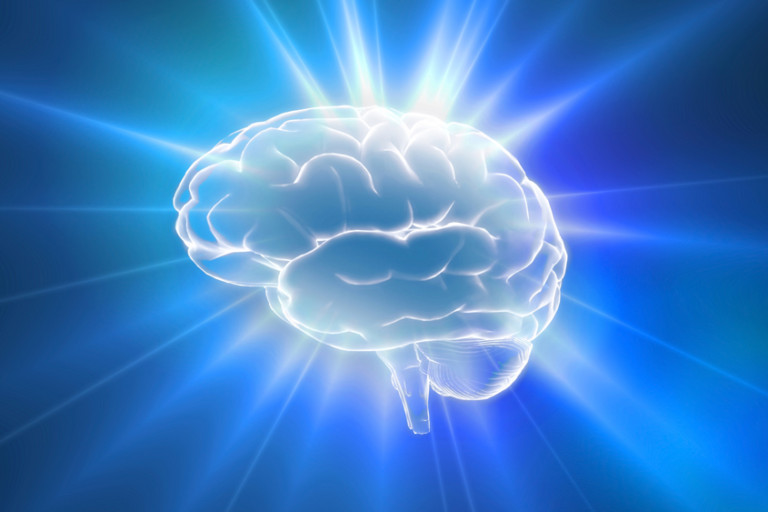
Sometimes we forget that our brain is a physical organ. Because it is our seat of consciousness, we often fall victim to the mistaken belief that our thinking and awareness completely control our brain’s activity. We believe that if try really hard, we can dictate our mood and memory. Snap out of it. Calm down. Cheer up. Don’t forget. Try to remember. Pay attention. Focus.
More often, it is instead the health of the brain that dictates our thinking abilities. If the brain is impaired, there are changes to memory, mood, decision making, social appropriateness, language, reading and understanding (and so much more). So, while it is important to embrace the social and interactive aspects that protect against cognitive decline, it is even more crucial to protect the health of our brain, to do our best to prevent dementia and other problems that could dramatically reduce our quality of life and destroy our independence.
The top culprits that promote dementia are chronic inflammation, chronic oxidative stress, chronic uncontrolled blood sugar (which fuels both inflammation and oxidative stress), chronic high blood pressure, toxic exposures and impaired circulation. There is also evidence that certain viruses can play a role as well. While some factors associated with brain decline are related to genetics, by far, the greatest contributors to cognitive dysfunction are all areas of health over which we can exert some level of control. And that is good news!
The best lifestyle advice to prevent dementia is the same as we offer for all areas of health. Less alcohol, more pure water. Less processed food, more wholesome meals. Pay attention to your blood sugar. Get your blood pressure down. No smoking or vaping. As much exercise as you can work into your routine, because a healthy heart is needed for a healthy brain.
There are also many supplements shown in human studies to make a difference in brain risk factors. The following list is not all inclusive, but focuses on some powerful tools to keep the brain young—even into a very old age!
Curcumin
Curcumin is the medicinal part of the plant turmeric, extracted and concentrated. There are more than 14,000 published studies archived on the National Institutes of Health (NIH) electronic database (PubMed.gov) demonstrating its efficacy in many areas of human health. It is a super potent anti-inflammatory herb that crosses the blood brain barrier, and has an oxygen radical absorbance capacity (ORAC) value of more than one million per 100 grams. It increases liver detoxification and facilitates the systemic removal of toxins. It also enhances the production of brain derived neurotropic factor (BDNF), which stimulates the creation of new brain cells. Loss of the ability to create new brain cells, a process called neurogenesis, is depressed in both major depressive disorder and in Alzheimer’s disease. Therefore, curcumin is a multi-pronged approach to sustaining healthy brain function. There is even some very interesting early research on brain cell cultures that curcumin may even slow down the aging (senescence) of the brain cells. More human research is needed, but these activities taken together show great promise in slowing down brain aging and preventing dysfunction.
Curcumin is poorly absorbed, so there are many companies experimenting with ways to boost absorption. The most clinically studied enhanced absorption curcumin (BCM-95) uses turmeric essential oil to increase absorption by 700 percent. This form has been used in several brain studies associated with aging and also with other brain inflammatory diseases, where it has been shown to be effective. Other clinically studied forms include combinations with piperine, and also with phosphatidylcholine and binding fiber in the phytosome process.
CoQ10
Inside our cells are energy factories called mitochondria. Mitochondria turn fuel into energy, and to do that, they require coenzyme Q10 (CoQ10). No CoQ10 = no energy for the cell to do its work and stay alive. Brain cells need an incredible amount of energy, so they have lots of mitochondria. Unfortunately, as we age, and in the presence of certain diseases, we make less CoQ10 and are unable to keep it in its active form. Also, cholesterol lowering drugs (as a group, called “statins”) greatly diminish the ability of our body to make CoQ10. Is it any wonder that people taking these drugs often complain about forgetfulness and trouble focusing?
Experimental studies in animals have shown that CoQ10 reduces beta amyloid plaque (a hallmark brain lesion seen in Alzheimer’s disease), and significantly slows the process of neurodegeneration. Many of the brain studies have been done on a water-solubilized CoQ10, and others have been done on the active form, ubiquinol, which does not require conversion.
Glutathione
Glutathione has been called the master antioxidant or the mother of all antioxidants. Whatever you call it, glutathione is a whale in a sea of goldfish. It is one of only two antioxidants that your body makes. There are certain kinds of oxidative stress and damage that only glutathione can stop. In addition to arresting destructive oxidative stress, it plays a role in both phase one and phase two glucuronidation (liver detoxification). Therefore, if you don’t have enough active glutathione in your body, the liver detox slows down considerably.
There are two forms of glutathione: active, also called reduced, and inactive, also called oxidized. If there is a fountain of youth in the body, it is likely active glutathione. But as we age, our production of glutathione dramatically decreases, and by age 65 we are making 50 percent less than in our youth. Chronic infections, certain prescription and over-the-counter drugs, illness and injury deplete our active glutathione even further.
Researchers have found a strong connection between glutathione metabolism and neurodegenerative diseases like Alzheimer’s and Parkinson’s disease. While more science is needed to understand the mechanism of action, using supplemental glutathione to boost levels is an intervention successfully used by many integrative practitioners. One challenge is delivery. The best way to raise active glutathione levels in the body is intravenously, which is outside the realm of dietary supplements. Unprotected glutathione becomes inactive upon digestion, even if it is enteric coated. One form developed in France utilizes a glutathione stabilized with compounds from pomegranate administered sublingually (under the tongue). This form has been shown in a published human clinical trial to raise the ratio of active to inactive glutathione in the body by 230 percent compared to orally administered, unprotected glutathione.
It may surprise you that one over-the-counter drug, used by millions every day, is particularly devastating to glutathione production. That drug is acetaminophen (one brand name is Tylenol). If glutathione is Superman, acetaminophen is Kryptonite. Acetaminophen damages the liver cells that make glutathione. In fact, that is why acetaminophen is the No. 1 cause of acute liver failure in America. It is also the No. 1 drug overdose seen in emergency rooms. How many people would still want to use acetaminophen every day if they knew it diminished glutathione, which accelerates the aging process? Most are not even aware of the connection.
The Brain Loves Antioxidants and Omegas
There are many more products that are excellent for keeping the brain youthful. Tannin-free grape seed extract has an ORAC value of more than two million, and pomegranate contains the unique omega-5 fatty acid, both of which are valuable in fighting back against oxidative damage in the brain. Omega-3 fatty acids from fish, whether in the cold-water fish or as an extract, are critical for brain cell development. Omega-3s also fight inflammation. Ginkgo greatly enhances brain circulation. Red ginseng has been used for thousands of years for memory, focus, vitality and longevity. You can probably add many more to the list and create a pretty substantial protocol.
All these supplements can be used as prevention, and also in prevention of the progression of an already existing disease. It’s never too late to boost
brain health. Always remember that we are not powerless against age and disease-related brain changes. Making the best supplement choices can
make a brain-changing difference in our lives. VR
References:
Piechota, M. Sunderland, P. Wysocka, A. et al. Is senescence-associated -galactosidase a marker of neuronal senescence? Oncotarget 2016, 7, 81099–81109.
Banji, D. Banji, O.J.F. Dasaroju, S. Annamalai, A.R. Piperine and curcumin exhibit synergism in attenuating D-galactose induced senescence in rats. Eur. J. Pharmacol. 2013, 703, 91–99.
Sikora, E. Arendt, T. Bennett, M. Narita, M. Impact of cellular senescence signature on ageing research. Ageing Res Rev. 2011, 10, 146–152.
You, J. Sun, J. Ma, T. et al. Curcumin induces therapeutic angiogenesis in a diabetic mouse hindlimb ischemia model via modulating the function of endothelial progenitor cells. Stem Cell Re. Ther 2017, 8, 182.
Yan, Z. Dai, Y. Fu, H, et al. Curcumin exerts a protective effect against premature ovarian failure in mice. J Mo. Endocrinol. 2018, 60, 261–271.
Takano, K. Tatebe, J. Washizawa, N.,Morita, T. Curcumin inhibits age-related vascular changes in aged mice fed a high-fat diet. Nutrients 2018, 10, 1476.
Yang X, Zhang Y, Xu H, Luo X, Yu J, Liu J, Chang RC. Neuroprotection of Coenzyme Q10 in Neurodegenerative Diseases. Curr Top Med Chem. 2016;16(8):858-66. Review.
Kuthukumaran K, Kanwar A, Vegh C et al. Ubisol-Q10 (a Nanomicellar Water-Soluble Formulation of CoQ10) Treatment Inhibits Alzheimer-Type Behavioral and Pathological Symptoms in a Double Transgenic Mouse (TgAPEswe, PSEN1dE9) Model of Alzheimer’s Disease. J Alzheimers Dis. 2018;61(1):221-236.
Choi H, Park HH, Lee KY, et al. Coenzyme Q10 restores amyloid beta-inhibited proliferation of neural stem cells by activating the PI3K pathway. Stem Cells Dev. 2013 Aug 1;22(15):2112-20.
Mazzetti AP, Fiorile MC, Primavera A, Lo Bello M. Glutathione transferases and neurodegenerative diseases. Neurochem Int. 2015 Mar;82:10-8. Review.
Saadati S, et al. Curcumin and inflammation in non-alcoholic fatty liver disease: a randomized, placebo controlled clinical trial. BMC Gastroenterology. 2019 Jul 25;19(1):133
Adibian M, Hodaei H, Nikpayam O, Sohrab G, Hekmatdoost A, Hedayati M. The effects of curcumin supplementation on high-sensitivity C-reactive protein, serum adiponectin, and lipid profile in patients with type 2 diabetes: A randomized, double-blind, placebo-controlled trial. Phytother Res. 2019 May;33(5):1374-1383.
Rainey-Smith SR, Brown BM, Sohrabi HR, et al. Curcumin and cognition: a randomised, placebo-controlled, double-blind study of community-dwelling older adults. Br J Nutr. 2016 Apr 22:1-8
Lopresti AL, Maes M, Maker GL, Hood S, Drummond PD. Curcumin and major depression: A randomised, double-blind, placebo-controlled trial investigating the potential of peripheral biomarkers to predict treatment response and antidepressant mechanisms of change. Eur Neuropsychopharmacol. 2015;25(1):38-50.
Benny M, Antony B. Bioavailability of BioCurcumax™ (BCM-95™). Spice India. September, 2006:11-15.
Baum L, Lam CW, Cheung SK, et al. Six-month randomized placebo-controlled, double-blind, pilot clinical trial of curcumin in patients with Alzheimer’s Disease. J Clin Psychopharmacol. 2008 Feb;28(1):110-3.]
Mikirova NA, Kesari S, Ichim TE, Riordan NH. Effect of Infla-Kine supplementation on the gene expression of inflammatory markers in peripheral mononuclear cells and on C-reactive protein in blood. J Transl Med. 2017;15(1):213.
Pickich MB, et al. Effect of curcumin supplementation on serum expression of select cytokines and chemokines in a female rat model of nonalcoholic steatohepatitis BMC Res Notes. 2019 Aug 9;12(1):496.
Vinaykumar S, et al. Anti-inflammatory activity of BCM-95 (bio-enhanced formulation of turmeric with increase bioavailability) compared to Curcumin in Wistar rats. Pharmacogn. J. July-Aug 2016;8(4):380-383.
Schmitt B, Vicenzi M, Garrel C, Denis FM. Effects of N-acetylcysteine, oral glutathione (GSH) and a novel sublingual form of GSH on oxidative stress markers: A comparative crossover study. Redox Biology. 2015;6:198-205.
Cheryl Myers is an integrative health nurse, author, and an expert on natural medicine. She is a nationally recognized speaker who has been interviewed by the New York Times, Wall Street Journal and Prevention magazine. Her many articles have been published in such diverse journals as Aesthetic Surgery Journal and Nutrition in Complementary Care, and her research on botanicals has been presented at the American College of Obstetrics and Gynecology and the North American Menopause Society. Myers is the head of scientific affairs and education for EuroPharma, Inc.