



The natural skin care market is growing and Millennial consumers are dictating the requirements.
At retail store Fremont Natural Foods in Fremont, CA, nutrition educator and sales staff member Betty Yammarino recently commented on the customers shopping for natural skin care products. There has been a bigger Millennial presence among them, she acknowledged, and they are eager to learn.
“They know a little, but sometimes they don’t get correct information.” Therefore, she said, she often finds herself offering “quick seminars” in the aisles to set them straight on the ingredients and nutrition needed for great skin.
These shoppers, Yammarino noted, love trendy products and natural ingredients, such as serums, black castor oil, vitamin E, etc., and they often want them to be organic.
Sarah Salyer, brand manager with Australia-based Sativa, said she is also aware of the effect of Millennials on the market. “According to Nielsen,” she pointed out, “73 percent of Millennials will pay more for sustainable products. “Today’s natural skin care trifecta is cruelty-free, carbon neutral and irritation-free natural skin care products because increasingly, consumers are buying into a lifestyle when they buy natural products.”
Georgiana Rowley, business development manager with New York-based ANNEMARIE BÖRLIND agreed: “The steadfast values and buying power of Millennials are making a strong impact on how brands manufacture and market products. Millennials want clean products, transparent sourcing and ethical providence of raw materials, and mindful packaging.”
According to Persistence Market Research, the natural product market is expected to be $22 billion by 2024. “Not too far in the future,” Salyer added, “natural products won’t be a segment, they will be an expectation, because as Millennials have their own children, those children will also be more likely to expect a chemical-free lifestyle as adults.”
Tammie Umbel, founder of Shea Terra Organics in Sterling, VA, noted that the uptick in the category is a relatively new development. “The state of the market for skin care products is gaining momentum over the last two years,” she said. “The past eight years, there was a growing market, but consumers were still slow to convert. This past year I have spoken to numerous people who have said that they have recently started switching their entire regimen over to natural products. Amongst this conversion, I would say that although many had previously traded out their skin regimen for healthier products, there appears to now be an urgency to do the same with hair care.”
For all the pros, consumers know that natural skin care ingredients also carry some cons, and retailers can help guide them through any pitfalls. “While consumer demand for natural products is increasing, consumers are also aware natural products, like tea tree oil, can also be irritants especially if the extraction is heat-based, which depreciates the phytonutrients,” Salyer said. “Consumers are both savvy and overwhelmed, so retailers can help them by curating products that use cold-pressed extraction, steer clear of irritating natural products and sulfates, dyes and parabens.”
The Complex, Evolving Market
Product manufacturers are noting other changes in their audience. “There was a time when skin care used to be a singular target-market that was middle-aged, educated, affluent women,” said Danielle Hedquist, marketing director with White Egret in Ogden, UT. “As this market expands and education becomes easier to access, the market has shifted to include men in the same targeted market as women, but we’ve seen huge growth in less affluent communities, as people begin to value natural ingredients and try to steer clear of scary chemicals and additives. Millennials have stepped up in a big way, showing with their purchasing power.”
This shift has produced other outcomes. Dana Hetté, founder of BioSphère Naturel in Occitanie, France, with a U.S. base in Seattle, WA, said the company is seeing lots of new brands being launched, as well as existing brands incorporating and highlighting natural ingredients in their lines. “The target market is growing as well,” she said, “as consumers become more aware of the dangers of many of the chemicals typically used in skin care. People are looking to avoid those potentially harmful ingredients without sacrificing the high-quality experience they get from conventional brands.”
Lifestyle choices also influence the market, according to Salyer. “It’s more about understanding the ethos of the natural product consumer. One target for skin care is people following particular diets like vegan, gluten free or paleo. The lifestyles of these diets complements natural skin care very well.”
In addition, “the biggest concerns for the natural beauty product consumer is finding ingredients that are naturally anti-inflammatory and antibacterial,” Salyer said. “And then, ingredients that hydrate the skin without animal by-products such as hyaluronic acid, and instead use plant-based humectants, like high quality aloe vera.”
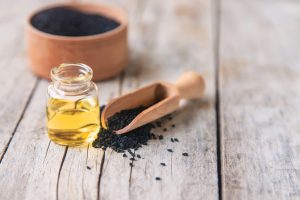
She pointed out that many natural ingredients serve multiple skin concerns. “For example, hemp seed oil, which is hypoallergenic, highly anti-inflammatory, and brings the skin’s oil production into a state of balance. Cold-pressed hemp seed oil is as beneficial for acne prone skin as it is for aging, drying skin.”
“Natural product consumers love indie brands, but they can be hard to find. Also important is making these products easy to purchase,” she said, pointing out that, according to Nielsen, Americans spent more than $12 billion on beauty and personal care in 2017, and more than 30 percent of those purchases were online. “So it’s important for retailers with an online presence to work with the brand to make it easier for the consumer to find indie brands on their websites which often offer hundreds of products and can overwhelm the consumer.”
Umbel noted another important aspect that increases the market. “I have been speaking with many people who have suffered with cancer or debilitating health issues. They are turning to natural HABA to do away with as many toxins in their life as possible. Although this is a large segment of natural HABA converts, it appears that most marketing is aimed at the younger, health conscious consumers.”
Ingredient Watch
Healthy skin has an even color, smooth texture, is hydrated with normal sensations, i.e., no itching, burning, pulling, tightness or stinging. To achieve those goals, consumers are focused on ingredient purity and efficacy.
“I’m thrilled to see consumers rejecting ingredients like parabens and it’s great to see tried and true ingredients like aloe vera, in its purest form, gaining ground,” said Salyer.
For example, while overall beauty products sales are on the decline, according to Nielsen, that isn’t the case for products free of synthetics like parabens, lanolin and sulfates. Paraben-free moisturizers and sulfate-free cleansers are two product categories for which this seems particularly important to consumers.
“After years of beauty claims that over promise and under deliver, skin care consumers are concerned about efficacy, so while consumers love learning about new ingredients, combining them with tried and trusted ingredients like aloe vera can help increase trust,” Salyer added.
Hedquist noted that White Egret’s key ingredient is an all-natural magnesium oil that is consciously harvested through solar evaporation and contains more than 72 ionic minerals. “We put this oil in each of our mineral skin care products and we are always asked about new offerings because people love the results of using this all-natural ingredient in as many different products as they can. Magnesium deficiency is rampant in the U.S. and people are definitely interested in its important roll in our health.
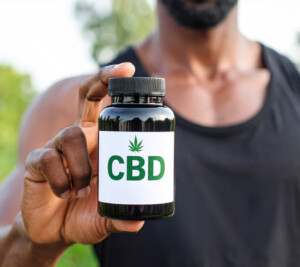
“Hemp and CBD products are booming right now, even in the natural skin care industry,” Hedquist noted, adding that there is a wide variety of uses and benefits that CBD is able to address, and everyone wants to get in on the bandwagon. “But with the FDA shifting their stances, that does mean that there are risks to adding these ingredients, so there is some hesitance in both the manufacturers and the retailers. Activated charcoal is continuing to grow in popularity, as well as essential oils. These ingredients have been in the game a long time, but they’ve shown they have staying power.”
Umbel added that vitamins in skin care seem to be ever popular. “Marketers, however, are always looking for the next hottest botanical. Serums continue to be regarded as special power beauty essentials to be added to most skin care regimens, especially if they contain vitamins, stem cells and ceramides.”
At ANNEMARIE BÖRLIND, the company’s Orange Blossom Energizer product is a rich antioxidant with vitamins A, C and E. The Rose Blossom Revitalizer is an antioxidant with stem cells from the Black Forest Rose, and the Ceramide Vital Fluid contains botanical ceramides 3, 6 and 9, said Rowley. “Eye creams are always in high demand because who doesn’t need an effective, reliable, comforting eye treatment? Our top-selling product is the ANNEMARIE BÖRLIND Eye Wrinkle Cream, a rich, fast absorbing formulation with organic sesame oil and carrot extract, great for lips contour.”
She added that ANNEMARIE BÖRLIND thermal Black Forest spring water is a key ingredient in all the company’s products. “We harvest it in our own well and offer in glass bottles to our employees and visitors to the manufacturing plant in Calw, Germany. Other ingredients, such as different sea algae extracts, play a center role in many of our moisturizers for their regenerative and moisture-retaining properties.”
Classic ingredients like shea butter, aloe vera, cocoa butter, rose water, argan oil and coconut oil are as popular as ever, Hetté said, “but we’re also seeing increased use of lesser known botanicals, so if you look across the space you’ll see a wide variety of floral, seed, fruit and even vegetable-based ingredients, including plants from the sea as well.”
New Products
New to the market, the Sativa Skin Care line is a certified organic boutique face and body line that hits the synthetic-free, cruelty-free and carbon neutral trifecta natural product consumers are searching for while delivering on high quality, natural ingredient with work with the skin, Salyer said. “The entire plant-based product line is naturally fragrant and packed with phytonutrients from sustainably sourced, cold-pressed essential oils. The Sativa experience lifts one’s spirit while supporting a contentious, sustainable and naturally beautiful lifestyle. Everyone who tries Sativa experiences the effectiveness and the ethos. Recently, I was showing the product and the vibrantly alive, green packaging drew people in and once they felt, sensed and smelled Sativa’s product range, they fell in love.”
Shea Terra’s Umbel noted that indie beauty brands have skyrocketed the last two years. “Brands featuring ingredients from polar regions seem to be popular. Peptides, although often not natural, and ceramides are currently very popular.”
And Rowley noted that the popularity of the company’s skin peels is strong. “Enzymatic Peeling Powder, gentle enough for sensitive skin and the Exfoliating Peel with small jojoba beads that dissolve in a rich shea butter formulation remove the dull, filmy top layer of dead skin cells, to uncover naturally glowing skin.”
Trends
Some new trends in this category focus on unisex products, as well as single ingredient solutions, Umbel observed.
Rowley agreed, noting that key ingredients will continue to drive skin care innovation. “Also, sustainability of the complete manufacturing process, from cultivation and harvesting of raw materials to the manufacturing, packaging and delivery of final products will continue to dominate the conversation. Corporate values are also important and not all manufacturers can commit to the high standards that the Millennial consumer expects.”
At BioSphère Naturel, Hetté said, “One of the trends we are excited about is the turn away from retinol which can be so harsh and irritating (not to mention listed as a high-hazard ingredient by the EWG [Environmental Working Group], to better natural alternatives. Bakuchiol is probably the one most talked about at the moment, but we prefer the more holistic ingredients such as plankton (seaweed) extract, sunflower seed oil, shea butter, neroli oil and raspberry extract, which are also great (and effective) alternatives to retinol.”
As lifestyles become more of an identity, more and more consumers will become educated on extraction and the advantages of cold-pressed extraction. “Consumers understand heat damages phytonutrients,” Salyer said. “Consumers are already looking for cold-pressed oils in food and cooking, so they will have increased trust with products who deliver skincare products with cold-pressed oils also.
“Hemp seed oil products will be huge in the next few years, as will skin care with CBD. Since these trends will change consumer habits, it’s also a great time to introduce them to other exotic natural products like sustainably sourced copaiba oil,” she added. “The key with these products will be to combine them with trusted ingredients like aloe vera. The differentiation on products like this will be purity and extraction.”
R&D
Formulating all-natural forms of popular synthetic ingredients, such as propylene glycol, is of great interest to manufacturers these days, Umbrel said. And Rowley added that ANNEMARIE BÖRLIND scouts are always looking for new raw materials around the world, working with local populations and indigenous people to see how they use unique ingredients with medicinal or nutritional benefits. “Our research and development department experiments with new formulations, improving or altering an existing one. Safety and efficacy of new formulations are tested and backed by independent clinical trials conducted by outside dermatological institutes.”
What retailers and customers want to know is what manufacturers want to know. Hedquist said, “We are always asking for feedback so that we can get the right research on our existing products and on potential new ones as well. Making sure that everything that we claim on our labels is true and accurate is important because people and agencies are checking these things. We want to ensure quality and have answers as to where our ingredients are sourced and how they affect the skin and body. We invest in long-term research that will hold us accountable for what we offer to the public.”
Spreading the Word Through Retail
Relationships with natural product retailers are essential to convey product and ingredient information, Hedquist noted. “Using our research, we are able to educate our retailers to ensure that they suggest our products for the people that would benefit most. Sending information, doing in-person demos and being available to quickly and concisely answer all questions from our retailers is important. We believe in what we are selling, and that shows in the relationships we make with our retailers. It makes it easy to sell our products when more and more consumers are turning to natural products, as long as we have the answers and education that they are seeking.”
Also, the importance of packaging can’t be understated, Salyer pointed out. “So many natural products use muted earth tones and these colors don’t reflect the self-image of today’s natural shopper. Today’s shopper identifies with vibrant, alive packaging colors. Also in the packaging realm, consumers are reading labels, they want to see icons for carbon-neutral, cruelty-free, non-GMO (genetically modified organism), certified organic, vegan, etc.
“Keep in mind the psychology of these icons for the consumer,” Salyer advised. “Today’s under-40 consumer especially knows of their personal brand. Sustainability icons serve a dual purpose, they trigger differentiation and streamline label-reading during buying, but also, these icons also reinforce the consumer’s belief system and lifestyle to both the buyer and the buyer’s friends.”
And, of course, as Rowley concluded, manufacturers and retailers should keep the focus on strong, basic marketing: regular product trainings and demonstrations, grouping family of products together by ingredient or use or skin type, as well as cross marketing/selling with products form other categories—supplements, ingestibles, foods. VR
For More Information:
ANNEMARIE BÖRLIND, www.boerlind.com/us
BioSphere Naturel France, https://biospherenaturel.com
Sativa, https://sativaskincare.com
Shea Terra, www.sheaterraorganics.com
White Egret, https://wepersonalcare.com