

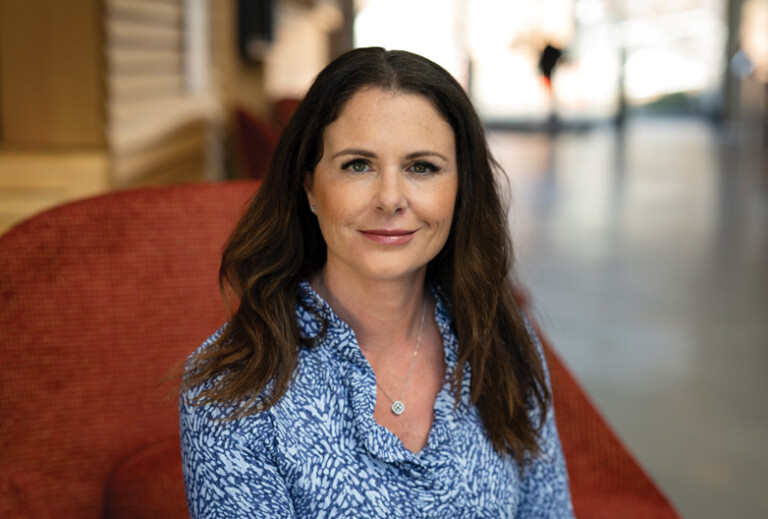
Dr. Nicole Avena is an associate professor of neuroscience at Mount Sinai School of Medicine in New York, NY, and a visiting professor of health psychology at Princeton University. She is a research neuroscientist and expert in the fields of nutrition, diet and addiction, with a special focus on nutrition during early life and pregnancy, and women’s health. She has done groundbreaking work developing models to characterize food addiction and the dangers of excess sugar intake. Her research achievements have been honored by awards from several groups including the New York Academy of Sciences, the American Psychological Association, and the National Institute on Drug Abuse. In addition to more than 100 peer-reviewed scholarly publications, Avena has written several popular books, including Why Diets Fail: Because You’re Addicted to Sugar, What to Eat When You’re Pregnant, What to Feed Your Baby and Toddler and What to Eat When You Want to Get Pregnant. Her latest book, Sugarless, covers the latest science on sugar addiction and how to overcome it. She frequently appears as a science expert in the media, including regular appearances on Good Day NY, The Doctors, and the former Dr. Oz Show as well as many news programs. Her work has been featured in Time Magazine, Bloomberg Business Week, The New York Times, and many other periodicals. Avena is a member of the Penguin Random House Speakers Bureau. She has the No. 2 most watched TED-ED Health talk, How Sugar Affects Your Brain, with over 17 million views and counting. You can find her on social media @drnicoleavena on Instagram, Facebook and LinkedIn.
Question: How did your new book, Sugarless, come about?
Avena: Throughout my time as a PhD student and professor, I came to realize the astounding connection to sugar and our brains. The similarities to defined addictive substances—like cocaine and alcohol for example—became so overwhelmingly clear, and I felt I needed to share about this research and help others to see how we can all break our sugar addiction in an understandable and digestible manner. Everyone can become Sugar-less, and the benefits are proven through research.
Question: Is consumer knowledge about sugar intake and sources of sugar increasing?
Avena: I believe so. We live in a society where so much research and information is accessible to many and therefore we are able to make more informed choices regarding our diets and health. I think its well-known now that sugar is anything but beneficial to our health, but unpacking exactly why can be daunting.
Question: What are your concerns about sugar consumption? How much is too much?
Avena: Sugar is in everything making it very difficult to avoid if you’re not aware. The biggest concern for me is the amount Americans consume without knowing the brain and overall health consequences that follow. I believe if you cannot go a day without added sugar it means you are having too much. Less is best.
Question: Why is sugar so addicting and hard to break?
Avena: Consuming excess amounts of added sugar triggers an overwhelming dopamine response in the brain leading to feelings of pleasure and comfort. Over time, our brains develop a tolerance to this dopamine response, meaning we need more and more sugar to feel the same effects. This is what makes sugar so addicting, and continues the cycle of addiction.
Question: Do you have preferred alternatives for sweets?
Avena: I recommend avoiding added sugar as a whole and sticking to whole foods like fruit. If necessary to break the habit, alternative sweeteners like stevia or monk fruit can be utilized, although it is important to remember our brains still perceive these foods as “sweet” even if they don’t have sugar. This could keep us cravings and wanting sugar for a longer period of time rather than just going cold turkey.
Question: What advice can you offer natural product retailers regarding their customers who want to decrease sugar in their diet?
Avena: Promoting foods such as whole, fruit or dried fruit with no added sugar, is a great way to shift the focus away from added sugars. Also, having condiments and sauces that do not contain sugar allows customers to slowly wean off the total amount of sugar they would typically be having. We don’t need to have sugar in our ketchup or salad dressing!
Question: Other comments?
Avena: Cutting out sugar is tough—and can come with unwanted side effects of withdrawal. I offer strategies and recipes in my book Sugarless: A Seven Step Plan to Uncover Hidden Sugars, Curb Your Cravings, and Conquer Your Addiction to help everyone break their addiction is the best way possible.
[email protected]
www.drnicoleavena.com