


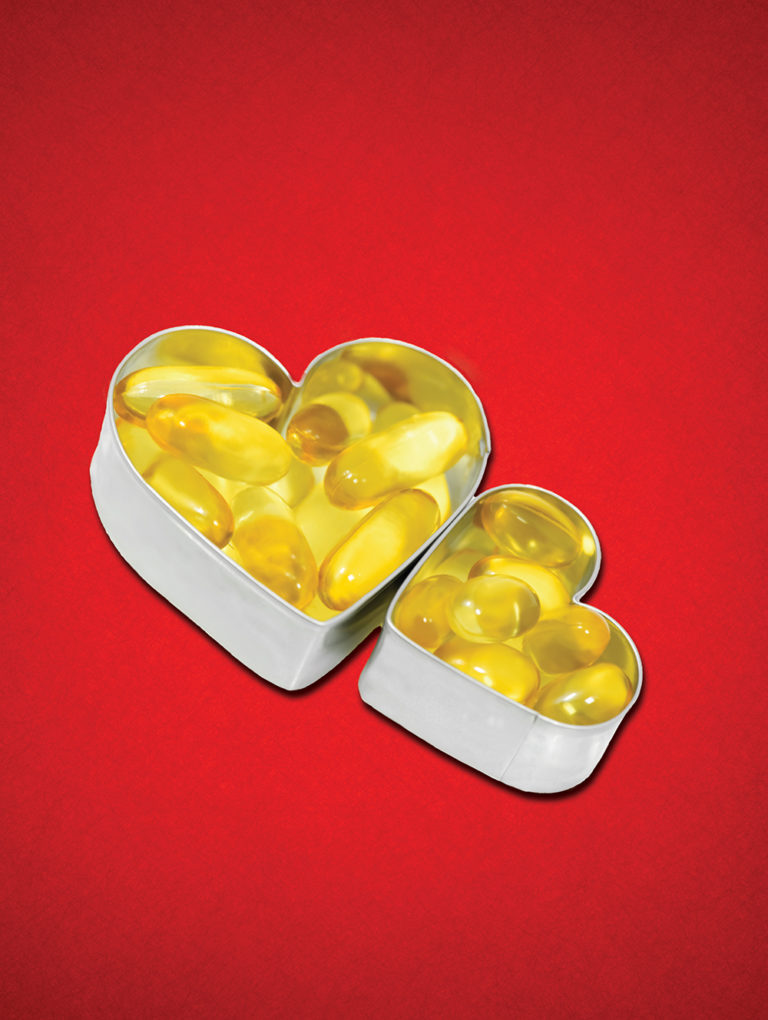
The numbers can be simply staggering and downright frightening. According to a new American Heart Association (AHA) annual statistical update report on heart and stroke health released in December 2014 that included for the first time a global view, heart disease remains the No. 1 cause of death worldwide with 17.3 million deaths each year. That number, according to the report, is expected to rise to more than 23.6 million deaths by 2030.
The AHA report, “Heart Disease and Stroke Statistics – 2015 Update: A Report from the American Heart Association,” also showed that stroke remains the No.2 cause of death worldwide.
Want even more troubling numbers? Heart disease strikes someone in the U.S. about once every 43 seconds. It affects more than 375,000 people a year in the U.S. alone and is the top killer of women, taking more lives than all forms of cancer combined.
There is some good news, however. Statistics have determined that from 2001 to 2011, the death rate from heart disease has actually fallen about 39 percent, although the risk factors remain high.
The idea then, moving forward, is to reduce or eliminate the top risk factors such as smoking and high-cholesterol diets and replace them with a healthy diet, regular physical activity and a commitment to an overall healthier lifestyle and prevention. This is where supplementation, too can play a key role in supporting a healthy and balanced diet and exercise program.
Natural product retailers can be at the forefront of this charge, helping to educate their customers on the latest dietary supplements that support a healthy heart as part of an overall wellness program. Of course, consumers need to play their part, too.
“It’s important for consumers to take control of their life and health,” said Dennis Goodman, MD, director of Integrative Medicine at New York University Langone Medical Center where he also serves as clinical associate professor and cardiologist in the Department of Cardiology and Preventative Medicine. “Be an active participant engaging in regular exercise, stress management, good nutrition, and get plenty of sleep.”
Side Effects and Risks
The often dangerous side effects of many prescription heart medications has been well documented, still there is often a medical need for these prescription drugs for maintaining overall heart health and treating specific conditions. Supplements can play a major role as well, often in prevention, depending on the patient’s need.
“I never want to deceive people into thinking that you can treat all health conditions with supplements,” said David Foreman, an herbal pharmacist and author of 4 Pillars of Health: Hearts Disease. “In the case of heart health, if someone has high blood pressure they will most likely need to take prescriptions medications until they can address the root cause of their elevated pressure.
“We can achieve great preventative measures and even help ‘treat’ certain conditions naturally. Each person needs to be evaluated based on their willingness to take the proper dosing and make the necessary lifestyle changes to achieve their heart health goals.” Natural supplements can help the body heal itself in ways prescription drugs cannot, according to Jacob Teitelbaum, MD, a board certified internist and expert in the fields of chronic fatigue syndrome, fibromyalgia, sleep and pain, who also offers heart health tips at www.endfatigue.com. “That doesn’t mean to stop taking your medication,” Teitelbaum said. “People do best when the best of both natural and prescription options are used. For blood pressure, very good medications are available. For other forms of heart disease natural options are often far more effective—not to mention safer and less expensive.”
Medications often cause many side effect, such as dizziness, fatigue, heart rhythm abnormalities, muscle pain and sometimes even death, according to Teitelbaum. “Natural remedies also cause ‘side benefits’ instead,” he said, “including more energy, improved cognitive function, less pain and better sleep.”
So while many prescription heart medications are prescribed to treat specific conditions or diseases, the role of natural supplements may be better option for prevention and maintaining overall heart health. Thousands of research papers support the use of plant-based antioxidants, B vitamins, CoQ10 and omega oils for heart disease prevention, according to Michael A. Smith, MD, senior health scientist for Florida-based Life Extension, maker of Super Ubiquinol CoQ10 for heart support.
“I do believe that when it comes to maintaining heart health, natural supplements are better,” Smith said. “As a matter of fact, prescriptions drugs have little to do with ‘maintaining’ health. Statins, beta-blockers, digoxin—all are about treating disease and reducing risk. They have a place in medicine, but their place is not prevention. Prevention and supporting heart health is better accomplished with nature.”
“Prescriptions have their place if conditions are dangerous, but supplements often accomplish the same end without adverse effects,” added Jolie Root, nutritionist and educator for Carlson Laboratories, maker of Heart Fit supplements for supporting the cardiovascular system. “Consider statins which are prescribed to millions of people to lower cholesterol levels. But they are rife with side effects including complaints of muscle and joint pain and cognitive impairments. Ceylon cinnamon lowers total cholesterol, lowers LDL cholesterol, preserves HDL and lowers triglycerides without the side effects.” Maintaining good heart health is different than treating already present cardiovascular disease, and natural supplements help to maintain heart health in many ways depending on the supplement, according to Kate Naumes, ND, who runs a holistic wellness practice in Dallas, TX and also consults for Evalar, maker of Cardio Activ supplement line. “The benefit of supplements over drugs may include two important components,” Naumes stated, “that with supplements there is typically a lack of significant negative side effects and that drugs, like statins, deplete the body of important nutrients, such as CoQ10, folic acid, magnesium, potassium and zinc.”
Heart Health Supplements
Replenishing the body with depleted nutrients needed to support heart health is where supplements fit into the overall wellness plan, along with a sensible diet and regular exercise.
One all-natural heart health supplement new to store shelves is Heart Smart from SuperNutrition, which contains a nutrient combination of vitamins A, D3 and natural K2, and supports arterial flexibility and elasticity, healthy blood pressure (already in the normal range), as well as healthy bones.
“The three synergistic nutrients, in balance, function like a three-legged stool, supporting both cardiovascular health and bone health, in several ways that none of the three nutrients do alone,” said Michael Mooney, director of science and education at SuperNutrition.
Goodman said he also sees the benefits of vitamin K2, along with magnesium, calcium and vitamin, and the role it plays in contributing to a healthy heart. “The quartet for heart health is calcium, vitamin K2, vitamin D and magnesium … these are the essential supplements,” he said. “Vitamin K2 plays a very important role—by activating the K-dependent proteins osteocalcin and matrix Gla protein (MGP), K2 ensures calcium binds to the bone mineral matrix and stays out of the arteries, respectively. This is important because if calcium accumulates in the arteries, it will cause blockages that cause hearts disease and strokes.”
Among the nutritional recommendations Teitelbaum offers to optimize heart health are ribose, coenzyme Q10, magnesium, B vitamins and zinc, omega-3 fatty acids from fish, acetyl L-carnitine, hawthorn and magnesium orotate. “Omega-3s are definitely in the running for the top spot,” Teitelbaum said. “Most natural practitioners—and an increasing number of standard doctors—recommend omega-3s to their patients to support flexile arteries, better cholesterol numbers and overall health.”
HERBTHEORY offers Heart & LDL supplements that feature a proprietary herbal blend of turmeric, chrysanthemum and Chinese saliva and is accompanied by a branded ingredient, Oli-Ola by Nexira, an olive extract from organic agriculture in the Mediterranean region. All four are heart-specific ingredients that helps product LDL from oxidation while focusing on optimal heart health support.
“Natural products are always a better choice when it comes to heart health because herbal supplements specifically, help establish that state of balance in the body without shutting off any other bodily systems,” said HERBTHEORY’s Morgan O’Donnell.
Diet and Exercise
Of course, supplements are only part of the equation when it comes to maintaining heart health. While supplements may be a good start toward preventing certain heart ailments and prescription medications can treat condition-specific problems, there is no replacing a balanced diet and regular exercise when it comes to keeping the ticker in top shape. According to the AHA update report, less than 1 percent of U.S. adults meet the AHA definition for “ideal healthy diet.” More disturbing was the fact that essentially no children meet the definition. Of the five components of a healthy diet, reducing sodium and increasing whole grains are the biggest challenge.
On the physical activity front, the AHA report points to the fact that 31 percent of U.S. adults report participating in no leisure time physical activity. Furthermore, the report offered that among students in grades 9-12 (high school), only about 27 percent meet the AHA recommendation of 60 minutes of exercise per day.
All this, of course, plays into the report’s findings that most Americans older than 20 and about 32 percent of children are overweight or obese, a huge risk factor associated with heart disease, stroke and cardiovascular disease.
“Prevention is always the key and always begins with lifestyle,” said Life Extension’s Smith. “All muscles, including the heart, benefit from exercise. And a diet consisting of 80 percent vegetables and 20 percent less protein will keep the blood highways open and free of obstruction. Also, east and supplement with pomegranate. The antioxidants from the ‘vitality’ fruit support the inside lining of arteries, which determines overall cardiovascular health.”
Animal Research from the University of Michigan Health System also suggests that a diet that includes tart cherries may reduce the risk of heart disease and stroke. Michigan-based Michelle’s Miracle offers its Cherry Works Tart Cherry Concentrate product line, which supports many benefits, including support for a healthy heart.
“Prevention is absolutely the key,” agreed Teitelbaum, “and eating an anti-inflammatory diet and getting reasonable, sensible and enjoyable exercise is a must. Get your exercise outside in the sunshine, as this helps balance the immunity and lowers blood pressure.”
While heart disease is traditionally thought of as a disease that affects predominantly the male population, it remains the top killer of women in the U.S.
“Diet and exercise are imperative to good heart health,” said Naumes. “Exercise, optimal nutrition with plenty of fruits and vegetables, achieving and maintaining optimal body weight and body composition, moderate alcohol consumption of red wine and smoking cessation reduce of the risk of coronary heart disease, and heart attacks by approximately 80 percent. At Holistic Wellness, we strive to reach younger women and encourage and educate our clients to improve their diet and get regular exercise, helping to prevent problems later in life.”
Retailers’ Role
With supplementation playing a key role in supporting and maintaining heart health, natural products retailers have the opportunity to be front and center as educators, and vital information sources for curious customers on the latest products available on their store shelves.
“When a customer shows up, what I’ve noticed about all of them is that they have come for some professional advice,” said Charles A. Rouse, Jr., RPh, NMD and owner of The Medicine Man’s Corner in Albany, GA., who has formulated more than 40 nutraceutical products for heart health support. “They trust us (retailers) to be knowledgeable. This means that we have to be up on our stuff. You can bolster their confidence and help them quite a bit by talking to them and having some good material that they can take home. I write a lot of material on just about every herbal product we have on our shelves.
“It’s also important to keep your employees well educated. I try to get my employees to read the handouts and some of the monthly magazines that circulate our way. My staff if constantly reading up on something new in the industry and then asking me to consider putting it into stock.”
Vendors, too, play a major part in educating customers through the natural products retailers they serve.
“Retailers should take advantage of offers of speakers and arrange lectures and educational seminars to educate their customer base,” said Carlson Labs’ Root. “Distribute educational magazines and take advantage of vendor trainings to educate your store staff.” VR
Resources:
“Heart Disease and Stoke Statistics – 2015 Update: A Report From the American Heart Association. http://circ.ahajournals.org/content/early/2014/12/17/CIR.0000000000000152 University of Michigan Health System. (2013, April 23). Tart cherries linked to reduced risk of stroke. ScienceDaily. Retrieved January 7, 2015 from www.sciencedaily.com/releases/2013/04/130423102129.htm
For More Information:
Carlson Laboratories, (847) 255-1600
Evalar, (844) 571-9870
Herbtheory, (800) 880-8765
Life Extension, (877) 354-6512
Michelle’s Miracle, (800) 939-3199
SuperNutrition, (800) 871-2116
Sylvan Bio, (866) 352-7520
Twinlab, (800) 645-5626
Wakunaga of America, (949) 855-2776
![[Extra! Extra!] Women’s Mental Health and ‘Emotional Labor’](https://vitaminretailer.com/wp-content/uploads/2026/02/WomensHealth-300x290-1771621038.jpg)
![[Extra! Extra!] Vitamin D3 Treatment May Prevent Second Heart Attack](https://vitaminretailer.com/wp-content/uploads/2026/01/HeartHealth-300x282-1769721345.jpg)