

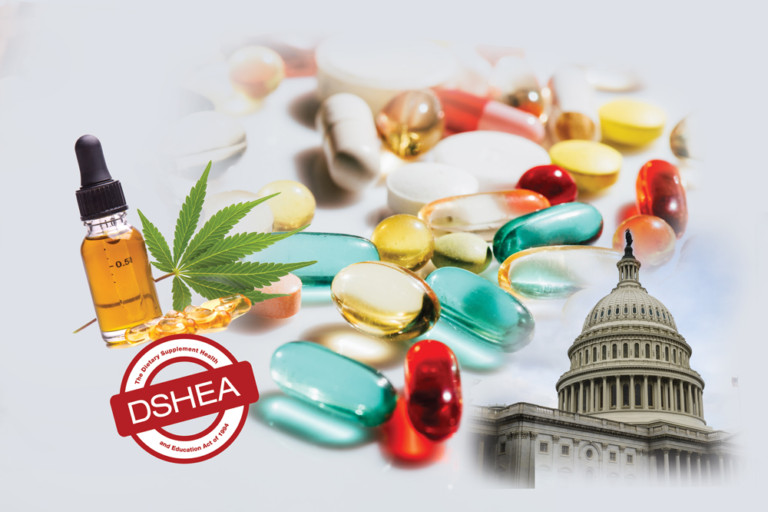
Vitamin Retailer spoke with Attorney Jonathan W. Emord. The president of Emord & Associates, in Clifton, VA (www.emord.com), Emord was one of central figures in the passage of DSHEA (Dietary Supplement Health and Education Act). Here’s what he had to say:
VR: October 15, 2019, marked the 25th anniversary of DSHEA, the Dietary Supplement Health and Education Act (DSHEA). In the 25 years since DSHEA was implemented, the industry has grown from 4,000 products on the market with $4 billion annual sales to 80,000 products on the market with $50 billion in annual sales. As we are about to begin a new year, what should we remember about DHSEA and what do we need to do to protect it (and consumers) going forward?
Emord: DSHEA provided a distinct regulatory pathway for dietary supplements, effectively ending FDA efforts under David Kessler to redefine vitamin and mineral supplements as drugs when above RDI levels and reclassify certain supplements as food additives not generally recognized as safe (as in the case of black current oil). It did not alter the underlying political and power realities, however.
Milton Bass and I were raised objections to certain DSHEA provisions when invited to comment at a meeting of counsel called by Patricia Knight, then an aide to Senator Orrin Hatch. We believed those provisions would invite interpretive mischief by FDA.
Among them was the provision to permit distribution of third-party literature concerning nutrient-disease relationships by supplement manufacturers and distributors along with product.
The well-intended aim was to open the market to the free flow of ideas concerning the potential health effects (including effects on disease) of dietary ingredients and supplements. As with other Food Drug and Cosmetic Act provisions, in this case the FDA interpreted the law to achieve the precise opposite of what was intended, i.e., censorship.
The agency’s position, to this day, is that no third-party literature concerning a supplement or nutrient-disease relationship may be distributed by a party that sells the supplement or nutrient, even if the provisions of the third-party literature exemption are satisfied.
It has defeated the plain and intended meaning of the provision by declaring that the literature in question is evidence of that manufacturer or distributor’s intent to sell an unapproved new drug, a potential criminal violation of the act. It thereby achieves censorship directly contrary to the meaning of Congress.
Judicial action to rein in such abuses may help, particularly now as the Supreme Court appears to be rethinking judicial deference to agencies, but ultimately FDA, like the entire administrative state, will never be tamed to follow the law until the administrative state comes to an end.