



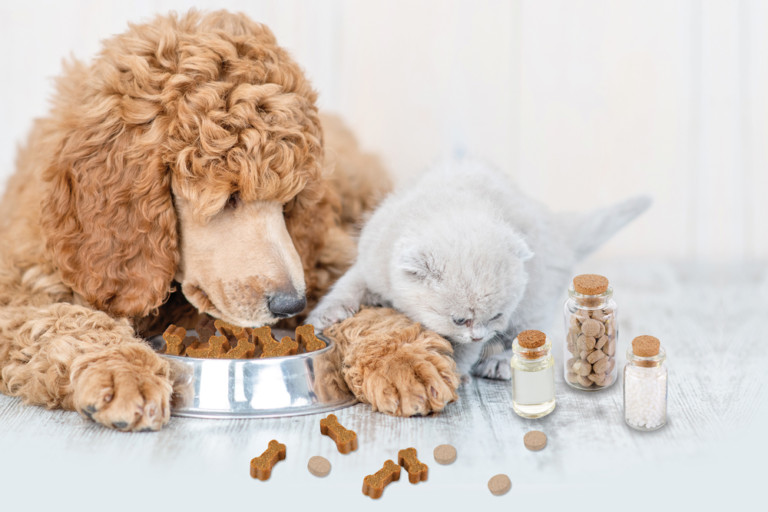
According to the Pet Poison Helpline, Jo Marshall, CVT, NREMT, Senior Veterinary Information Specialist, explained why certain essential oils are toxic to dogs. “We have certainly seen an increase in essential oil toxicity in recent years due to the increase in pet owners’ desire to treat more holistically or with natural remedies,” she said. “In dogs, the most common essential oil toxicities that we see are to melaleuca or tea tree oil, pennyroyal, oil of wintergreen and pine oils.”
The most common offender, according to Marshall, is tea tree oil. She noted that the toxicity is not caused by concentrations of tea tree oil in shampoos made for dogs, but rather the concentrated products. “We can see signs of depression, ataxia (very uncoordinated gait), paralysis of the rear legs, vomiting, hypothermia (low body temperature) and dermal irritation,” she explained.
Pennyroyal can cause hepatic necrosis or liver failure, which requires aggressive veterinary treatment to prevent liver failure and death. Oil of Wintergreen “contains methyl salicylates, more commonly known as aspirin … Dogs can show signs of aspirin toxicity and we can see signs of vomiting due to severe gastrointestinal upset and ulcers, along with potential renal and liver failure.”
Lastly, pine oils can cause “dermal or gastrointestinal irritation, vomiting that may be bloody, drooling, weakness, ataxia, along with affects to the central nervous system and potential renal and liver effects.” Essential oils in general can also cause aspiration and aspiration pneumonia if the oil gets into the dog’s lungs when ingesting it, or irritation in the gastrointestinal tract, which can cause it to be aspirated when it is vomited back up. If a dog is exposed to any of these oils and displays any of these symptoms, immediate and aggressive veterinary intervention is necessary.
On the same website, Kia Benson, DVM, associate veterinarian, clinical toxicology, noted that essential oils are particularly toxic to cats. “They are rapidly absorbed both orally and across the skin, and are then metabolized in the liver. Cats lack an essential enzyme in their liver and as such have difficulty metabolizing and eliminating certain toxins like essential oils.” The essential oils that are known to cause poisoning in cats include oil of wintergreen, oil of sweet birch, citrus oil, pine oils, Ylang Ylang oil, peppermint oil, cinnamon oil, pennyroyal oil, clove oil, eucalyptus oil and tea tree oil.
Symptoms that develop depend on the type of oil involved in the exposure, according to Benson, and can include drooling, vomiting, tremors, ataxia, respiratory distress, low heart rate, low body temperature and liver failure. “Inhalation of strong odors or fragrances can cause some cats to develop a watery nose or eyes, a burning sensation in the nose/throat, nausea leading to drooling and/or vomiting and difficulty breathing.” She stressed that cats suffering such symptoms need to be moved immediately to fresh air and require emergency veterinary treatment if their symptoms do not resolve once they are in fresh air.
Droplets dispersed by active essential oil diffusers emit “actual microdroplets or particles of oil” into the air, which can land on a cat’s fur, leading them to their absorb it into their skin or lick it off when grooming. In these cases, drooling, vomiting, tremors, ataxia, respiratory distress, low heart. Rate, low body temperature and liver failure can potentially develop.
All in all, it is important to be cautious if using essential oils. Pet owners should keep both dogs and cats out of the room if they are going to use diffusers, and they should never put oils onto their pets’ skin without checking its safety.