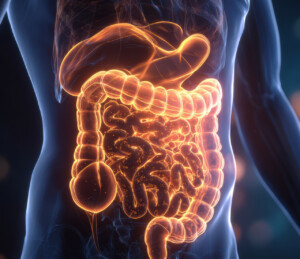




The digestive health segment is now a top-favored category among consumers who understand that it is the link to good health and well-being.
Face it, a stomach gurgle is funny sounding. It’s as though the stomach wants its owner’s attention now, “feed me!” But sometimes a stomach rumble isn’t so comforting. Especially if it occurs in the intestinal tract.
People are stressed; stress impacts digestion. Impaired digestion creates more stress, sleeplessness and low mood. Additionally, some individuals are simply more prone to upper or lower GI (gastrointestinal) frailties, bouts of indigestion, bouts of constipation or diarrhea. The desire among this population to even things out from end to end is high.
The state of digestive health with the populace is far from optimal,” conceded John Zapfel, CEO, Nature’s Sources, LLC, Illinois. “As witnessed by the massive use of and advertisements for antacids and acid blockers, digestive problems are at an all-time high.” Awareness of GI support natural products over OTCs (over-the-counters) hit the mainstream with Activia’s launch in 2006, he added. The popularity and advertisement of natural alternative products has grown exponentially ever since the Activia marketing campaign with Jamie Lee Curtis.
Claire Barnes, technical advisor, Florida-based ADM Protexin (Bio-Kult), commented that throughout history, humans appear to have understood the importance of their digestive function in terms of their overall health. Approximately 2,500 years ago, Hippocrates was the first to have recognized that all disease begins in the gut. “While it has taken some time to scientifically justify this claim, over recent years there has been substantial emerging evidence of just how important both the gut microbiome and the integrity of the intestinal lining are to our overall health,” she emphasized, pointing to a 2020 published paper titled, “All disease begins in the (leaky) gut.”
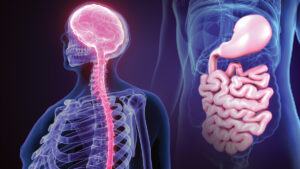
Barnes added that continuing accelerated research into the microbiome consistently validates the link between disruptions in the gut microbiota (dysbiosis) and many chronic diseases. “In the past five years, we have built up a better understanding of how crosstalk occurs between the gut and other organs, such as the gut-brain axis and the gut-lung axis,” she said. “It appears that almost any condition in the body can link back to the health of the gut, so it is not surprising that so many consumers look to the digestive system in both prevention and at the onset of illness to help support all the other body systems.”
David Blyweiss, MD, medical director of Florida-based Natural Immunogenics Corp., noted that “the more consumers advance in their understanding of the microbiome, the more interest grows in how to support it naturally.”
This statement is supported by research from New Nutrition Business (a consulting firm) that identified “digestive wellness” as the number-one health trend among consumers for 2019.
The question though, is why are consumers deeming digestive health more of a priority now? There are many common reasons. Physiologically, Blyweiss pointed to the destruction of integrity of the GI’s epithelial lining as a primary cause of dysfunction and diagnosis of digestive abnormalities, including malabsorption, leaky gut, immune dysregulation (allergies and autoimmune conditions), constipation, colitis, Crohn’s and more.
Genetics can play a role in many digestive disturbances, said Jennifer Jimenez, vice president and COO, California-based Sun Chlorella USA. She cited statistics from the National Digestive Disease Information Clearinghouse and the Crohn’s & Colitis Foundation of America, that show up to 20 percent of people with inflammatory bowel diseases have a close relative with the condition.
Diet and toxins are culprits, according to Stephanie Burr, education team, Connecticut-based Vibrant Health, who said that not consuming enough fiber and essential nutrients, consuming too much sugar and processed food, environmental stress and toxins all lead to digestive dysfunction. But, she said, too many individuals go straight to OTCs and prescriptions, which “treat the symptoms but do not get to the root cause.”
In Zapfel’s opinion, there are three key common lifestyle factors contributing to common digestive ailments. One is that we are not eating enough raw foods which contain high amounts of enzymes that assist in healthy digestion. The second is what he dubbed the “hurry up lifestyle,” which means we are eating our meals faster, which stresses the digestive tract. Eating more slowly allows the digestive system to work optimally. The third cause is the quality of the food itself, which has deteriorated, as a high portion of produce is grown in nutrient-depleted soil, making the food itself less nutrient dense than it should be.
According to Barnes, ironically, digestive disturbances can occur with abrupt dietary changes in the hopes of evening out irregularity and other issues. “Consumers will often switch their diets or eliminate whole food groups to attempt improving their digestion. However, any sudden change to the diet will impact the gut microbiota and could lead to dysbiosis, potentially disrupting digestion. “Dietary alterations can induce large, temporary microbial shifts within 24 hours.”
Because diet is often the primary factor impacting digestion, current popular diet trends (e.g., paleo, keto, plant-based) may likewise cause customers to ask about digestive support. “The interest in the current diet trends such as plant-based/vegan, paleo and keto and even carnivore (all meat) has its digestive challenges for most people,” Zapfel said.
He elaborated that the plant-based diet, while usually clean and void of processed and fast foods, can stress digestion especially in the beginning of the diet transition because it is high in fiber. Fibrous foods are hard to break down and can cause gas and bloating for the average digestive system. Here, Zapfel recommended a complete digestive enzyme formula containing cellulase which helps break down/digest cellulose, i.e. fibrous foods, is very helpful to avoid the digestive disturbances and get the most benefit out of the food consumed.
On the opposite end is keto, noted Burr. Keto is low in fiber, “which is harmful to gut health, paleo diets have been shown to decrease beneficial bacteria. Mainly a diverse diet that has all micronutrients and macronutrients is the key to a healthy microbiome, which is vital for the body to run optimally.”
Paleo and keto are high in fat and protein and extremely low in carbohydrates. Assistance to help digest the extreme quantity of fat and protein each day is highly recommended, according to Zapfel. For these consumers, he said, “a digestive supplement that contains a significant amount of lipase enzymes to digest fat and protease enzymes to digest protein not only will help with the obviously potential digestive disturbance issues, but greatly increases the benefit of consuming these high quantities of fat and protein.”
Current diet trends may be good for weight management, but some research has shown they may wreak some havoc on the gut microbiome, pointed out Barnes. For example, one study found that individuals on a high protein/low carbohydrate diet have reduced Roseburia and Eubacterium rectale in their gut microbiota and a reduced proportion of the short-chain fatty acid (SCFA) butyrate. Another study similarly noted fewer fecal SCFAs in individuals who consumed a protein-rich diet. Conversely, she related, plant-based and vegan diets appear to be beneficial for human health by promoting the development of more diverse and stable microbial systems. Plant fibers (non-digestible carbohydrates, found exclusively in plants) have been shown to consistently increase lactic acid bacteria, such as Ruminococcus, E. rectale and Roseburia, and reduce Clostridium and Enterococcus species.
Consumers still tend to also have misconceptions about their digestive function and how to proactively support it. For example, observed Jimenez, “some only turn to support from OTC drugs without making diet and lifestyle changes. But unfortunately, years of not listening to your body and simply masking issues with over-the-counter drugs can cause digestive issues to become bigger later in life.”
Blyweiss observed that while the mainstream desire to consume probiotics is great for the industry (and for consumers), they may believe falsely that by simply supplementing with probiotics, “all of their digestive maladies will disappear, not realizing that the most critical factor in recovery is the restoration of epithelial integrity. Function follows form.”
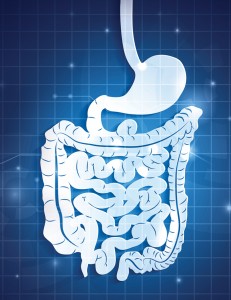
Barnes said she believes that many people see digestive support as only concerning their bowel movements and habits. “However,” she explained, “if you consider that the digestive tract can be divided into eight parts—the mouth, esophagus, stomach, small intestines and large intestines with enzyme and bile secretions also coming in from the liver, pancreas and gallbladder—it is clear that the digestive system includes many different functions and requires support throughout the digestive tract from mastication in the mouth, adequate stomach acid, to production of enzymes and bile and eventually the formation of a normal bowel movement.”
Category Refresh
Hot and trending is kombucha—the fizzy beverage is marketed as a probiotic solution to enhance digestion and immune wellness. Kellogg’s, the cereal and packaged food giant, has seen success with its probiotic cereal launch.
All this is drawing consumers to digestive support in a way that is unprecedented. It’s not just a row of supplements and a ginger tonic or two in the refrigerated section.
Zapfel agreed, “Yes, there are many, many products in the dairy case at the grocery store in addition to nutritional supplements in the digestive category. The dairy products such as kombucha, kefir, yogurt etc. are all great sources of probiotics. The retailer and discernible shopper can be overwhelmed with the variety. I must also point out that none of these products in the dairy case addresses the digestive enzyme category. The digestive enzymes will be in the nutritional supplement aisles and are to be taken in a pill or dry powder form.”
As retailers, said Barnes, encouraging customers to consume fermented foods in the aim of supporting overall digestive health is certainly a sound idea. However, she noted, as more evidence links the benefits of specific probiotic strains for certain conditions, it may be that along with expanding gut microbial diversity for improved digestive health, “we may be able to recommend specific products for certain conditions. This could mean that digestive health category could be split into overall digestive health and then more specific areas such as the gut-brain category and the gut-immunity category.”
Products to Consider
Nature’s Sources, said Zapfel, provides a 100 percent vegetarian plant source digestive enzyme product line, AbsorbAid. AbsorbAid and AbsorbAid Platinum contain a broad array of plant digestive enzymes that aid in minimizing digestive disturbances such as gas, bloating and occasional acid reflux issues. In addition, AbsorbAid aids in digesting protein, fat, and carbohydrates, plus fiber and lactose (milk sugar).
“When we eat cooked, refined, denatured or low-quality food, we are consuming food that contains little or no enzymes,” he explained. “When this happens, the body has to work overtime to digest or break down the food into its component parts so we can absorb the nutrients from the food at the cellular level. The body expects the enzymes in the food to predigest the food we eat, and our own enzymes our bodies produce will finish up the job of digestion. When the body has to do 100 percent of the digestion this sacrifices enzymes needed for other metabolic tasks to keep the body functioning to capacity. When this imbalance continues, sickness and premature aging are possible consequences.”
Vibrant Health’s Digestive Vibrance has anti-inflammatory properties and amino acids to facilitate repair of the mucosal lining as well as SCFAs that assist beneficial bacteria to replicate, according to Jodi Schneider, company educator. Digestive Vibrance contains fermentable fibers, 100 billion CFU probiotics, herbs, minerals and amino acids “carefully selected to improve digestion and bowel health.”
According to Barnes, Bio-Kult Multi-strain Probiotic for the Digestive System contains 14 strains to deliver high concentrations of beneficial bacteria to various colonization sites in the gut therefore helping support a diverse range of digestive disorders. She reported that the 14 strains in Bio-Kult were recently used in the largest double-blind randomized controlled trial of probiotics in IBS (irritable bowel syndrome)-diarrhea (IBS-D) type patients. The study in 400 people found that Bio-Kult significantly improved overall symptom severity in IBS patients and was well tolerated. Abdominal pain and frequency reduced by an average of 69 percent, and 34 percent of participants were completely symptom free at the end of the five-month trial. “Significantly though, as well as relieving IBS-D symptoms, Bio-Kult was also shown to markedly improve all aspects of quality of life,” Barnes said. “This includes psychological issues such as anxiety about health, depression, lack of enjoyment of life, and feelings of having to avoid stressful situations.”
Barnes added that the Bio-Kult strains have also been shown to be of benefit in numerous other clinical trials for a range of digestive conditions including constipation, acute gastroenteritis and H-pylori infection.
According to Blyweiss, Natural Immunogenics Corp.’s Bioactive Silver Hydrosol has been used safely and effectively in instances when H. pylori is present, and in intestinal dysbiosis issues “ranging from small intestinal bacterial overgrowth (SIBO) to inflammatory bowel disease (ulcerative colitis and Crohn’s).
New from Natural Factors, Washington, is organic Low FODMAP Reliefiber which, according to the company, is “clinically recognized fiber to maintain digestive health.” It provides 5 grams of Monash University Low-FODMAP certified fiber per serving. This product joins the brand’s other digestive support products, such as its high-potency Multi Enzyme Vegetarian formula, Complete Megazymes, DGL (deglycyrrhizinated licorice root extract), and the Ultimate Probiotic Line, among others.
Of course, there are many more digestive support products to select to sell to your customer community. And, customers who are new to the digestive support category may also be “converted” to healthier organic foods and the better-for-you brand varieties you carry throughout, from breakfast through dinner. After all, digestion begins with the quality of food (and beverages) the system is given. VR
For More Information:
ADM Protexin (Bio-Kult), www.bio-kult.com
Natural Factors, www.naturalfactors.com
Natural Immunogenics Corp., www.n-icorp.com
Nature’s Sources, www.naturessources.com
Sun Chlorella USA, www.sunchlorellausa.com
Vibrant Health, www.vibranthealth.com
Extra! Extra!