



study

Clinical Trial Shows Pycnogenol Significantly Relieves Lipedema Symptoms
A study published in Cureus Journal of Medical Science shows that Pycnogenol from Horphag Research (Switzerland) can significantly relieve the symptoms of lipedema, reduce body fat and improve self-esteem associated with the condition. According to Horphag, lipedema is a chronic, often misunderstood condition that affects about 400 million women globally. It causes an abnormal and ...

Trade Associations Respond to Study on Melatonin and Heart Failure
In a new preliminary study, the American Heart Association (AHA) claims long-term use of melatonin supplements was associated with a higher risk of heart failure. According to the AHA, melatonin is a hormone naturally produced in the body by the pineal gland and helps regulate the body’s sleep-wake cycle. Melatonin supplements are often used as ...

Kyolic Aged Garlic Extract Shown to Improve Periodontal Health
According to the National Institutes of Health, nearly half of all Americans over the age of 30 has some form of periodontal disease. This can cause tooth loss and studies have linked periodontal diseases to conditions such as cardiovascular disease, type 2 diabetes, COPD and other respiratory issues. Traditionally, treating periodontal disease centered around improve ...

GLP-1 Users Want Supplement Support to Protect Muscle
As GLP-1 medications such as Ozempic and Wegovy affect the weight management category, a new consumer insight study from raw material supplier Chemi Nutra (Austin, TX) reveals an underreported risk from GLP-1 usage—muscle loss—and a strong demand for supplement solutions. According to the report, GLP-1 users are the most likely group to want muscle-protecting supplements ...

New Study Shows Vegans Have Lowest Omega-3 Levels
A new peer-reviewed study published in the journal Prostaglandins, Leukotrienes and Essential Fatty Acids (PLEFA) sheds light on how diet patterns influence long-chain omega-3 levels (EPA and DHA) across different groups. The research measured both dietary intake and red blood cell levels of omega-3s and showed that individuals adhering to vegan diets had significantly lower ...

BMJ Group Retracts Study on Apple Cider Vinegar and Weight Loss
On Sept. 23, BMJ Group retracted a study suggesting that small daily quantities of apple cider vinegar might help people who are overweight or obese to lose weight. The small clinical trial was initially published in BMJ Nutrition, Prevention & Health in March 2024. The findings generated widespread international attention and continue to be referenced ...

PLT Releases Consumer Research on Mood for Sports and Active Nutrition
Ingredient distributor PLT Health Solutions (Morristown, NJ) released new consumer research titled Feeling Active about how cognitive states—or mood—can affect sports and active nutrition. In 2024, PLT engaged with a third-party consumer research firm to conduct a study on consumer attitudes toward mood and active nutrition. The study featured 546 participants from the United States, ...
NPA Analysis Shows Cost Savings From Annex II Tariff Exemptions
On July 2, the Natural Products Association (NPA) released a comprehensive economic analysis demonstrating that the Annex II tariff exemptions granted under the 2025 reciprocal tariff system generate between $218-$247 million in direct cost savings for the dietary supplement industry over a span of 69 days. The study highlights the critical role these exemptions play ...

Herbalife’s Aloin Identification Method Certified by AOAC International
California-based Herbalife announced the Association of Official Analytical Collaboration (AOAC International) formally certified its proprietary method for identifying and measuring anthraquinones (aloins) in aloe vera. Regulatory groups require producers of aloe vera products to monitor for naturally occurring compounds such as aloin A, aloin B and aloe-emodin to meet safety guidelines. Herbalife’s method is now ...

Study Finds Kyolic Aged Garlic Extract Improves Aerobic Fitness
A new study has shown that California-based Wakunaga of America’s Kyolic Aged Garlic Extract (AGE) can improve aerobic fitness due to its ability to increase arterial flexibility. According to the company, aerobic fitness (“cardio”) is important at every age and stage of life, which is especially true for those who engage in endurance activities including ...
Don't Miss Out!

Industry Professionals
Stay Informed!
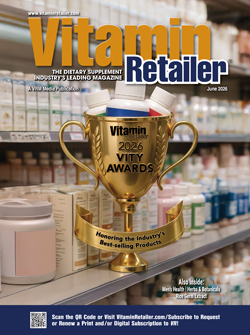
Stay informed about the latest health, nutrition, and wellness developments by signing up for a FREE subscription to Vitamin Retailer magazine and digital newsletter.
Once subscribed, you will receive industry insights, product trends, and important news directly to your doorstep and inbox.
Featured Listing:


Subscribe To Our Newsletter
Stay Informed! Breaking news, industry trends featured topics, and more.
Subscribe to our newsletter today!