

The United States Food and Drug Administration (FDA) recently published a statement from Commissioner Scott Gottlieb, MD requesting feedback on “how consumers use plant-based alternatives and how they understand terms like ‘milk’ or ‘cheese’ when used to label products made.”
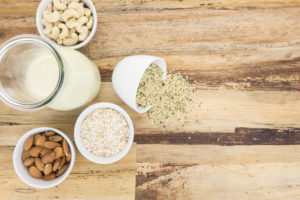 A portion of Gottlieb’s statement read: “ … Many dairy products, such as milk, yogurt and certain cheeses, have standards of identity established by regulation, which require certain components and ingredients in these foods. Names such as ‘milk,’ ‘yogurt’ and ‘cheddar cheese’ have long been recognized by the American public as identifying the dairy foods described in the standards. More recently, these names have appeared in the labeling of plant-based products as part of the name of the product. Some examples include ‘soy milk’ or ‘almond milk’ and ‘vegan mozzarella cheese.’ These plant-based products are sometimes packaged very similarly to those used for milk or yogurt, for example, and sold in the dairy section of grocery stores. However, these plant-based products may not be satisfactory substitutes for all uses of dairy. And some may not be nutritionally equivalent.
“This can have significant health consequences—contributing to under consumption of key nutrients, such as calcium and vitamin D for which dairy products are good sources in the U.S. population. The risk of under-consuming key nutrients may be heightened in children if parents substitute certain plant-based beverages for milk because children have less diverse diets than adults with fewer opportunities for other foods to provide those nutrients.
“ … We’re working on modernizing our standards of identity, which define through regulation certain characteristics, ingredients and quality of specific foods. These standards of identity help to ensure that consumers know ‘vanilla extract,’ for example, will always be made from vanilla beans and not artificial flavorings. We’re on a fast track to take a fresh look at the labeling of products that are being positioned in the marketplace as substitutes for dairy products. And, today, we’ve taken the first step in this process by issuing a request for information (RFI) in the Federal Register to solicit comments and feedback from the public to gain more insight into how consumers use plant-based alternatives and how they understand terms like ‘milk’ or ‘cheese’ when used to label products made, for example, from soy, peas or nuts. We’re interested to know if consumers are aware of, and understand, the nutritional characteristics and differences among these products—and between these products and dairy—when they make dietary choices for themselves and their families.
“The FDA hopes to receive new data submissions as part of this RFI to help us learn more about the nutritional profiles of different milk, modified milk, cultured milk, yogurt and cheese products compared to plant-based products (including fortified versions) that are being marketed as dairy substitutes.”
For information on how to submit comments regarding this matter, visit www.federalregister.gov/documents/2018/09/28/2018-21200/use-of-the-names-of-dairy-foods-in-the-labeling-of-plant-based-products.