



Articles by Dr. Gene Bruno, DBM, MHS, Professor Emeritus of Nutraceutical Science
Stearic Acid & Magnesium Stearate: Examining the Facts
Perhaps you’ve read or heard that stearic acid and magnesium stearate are undesirable substances to be included in dietary supplements. Certainly the internet is rife with articles and blogs indicating that these substances are harmful, as well as articles and blogs refuting those claims. So, what is true? Let’s examine the facts. We’ll begin by ...
Vitamin D: A Research Update
Arguably more human research on vitamin D has been conducted in the last five years than any other nutrient. According to a PubMed search, in 2012 alone there were 128 human clinical studies published in scientific journals on vitamin D. In fact, the new and ongoing research on vitamin D is so prolific, that by ...
L-Arginine: A Semiessential Amino Acid
L-arginine is an amino acid necessary for protein synthesis. It is found naturally in foods such as red meat, poultry, fish and dairy products.1 Although the body can synthesize it, L-arginine is considered a semiessential amino acid. The reason is that dietary intake remains the primary contributor of L-arginine levels since the rate of Larginine ...
Selenium: Understanding Benefits & Risks
In this article, we will examine the effects of the trace mineral selenium in the human body. Specifically, we’ll take a look at selenium’s biological functions, interactions with other nutrients, its role in human health, its intake in the U.S. and the rational for selenium supplementation. You will also see why it is important to ...
Alpha Lipoic Acid
Alpha lipoic acid (LA) is a naturally occurring, antioxidant compound found in plants and animals. Also known as thiotic acid, LA was isolated and identified as a vitamin about 50 years ago.However, it was reclassified once researchers found that it is synthesized in small amounts by humans.1 Since then LA has generated a great deal ...
Calcium, Form & Function
CALCIUM: FORM & FUNCTION Calcium may be the best researched of all the minerals. It has the distinction of being the only one with an FDAapproved health claim (more on this later), and is by far the most prevalent mineral in the human body with 99 percent of it found in bones and teeth, and ...
Benfotiamine
Benfotiamine is a lipid-soluble form of thiamine (vitamin B1) often considered to be the most effective of the allithiamine group of naturally occurring, thiamine-derived compounds, found in trace quantities in roasted crushed garlic and other vegetables from the Allium genus (such as onions, shallots and leeks). It is absorbed much better than water-soluble thiamine salts: ...
Highlighting PQQ Research
A limited number of biological substances are classified as vitamins, and it has been nearly a century since any new vitamins have been discovered. Consequently, a great deal of interest was generated in 2003 when researchers suggested that pyrroloquinoline quinone (PQQ) may qualify as a newcomer to the B group of vitamins.1 In fact, animal ...
Don't Miss Out!
Industry Professionals
Stay Informed!
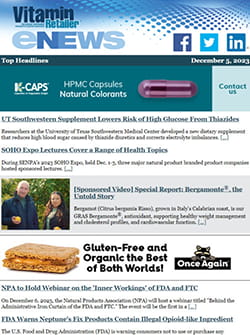
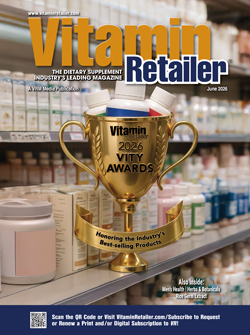
Stay informed about the latest health, nutrition, and wellness developments by signing up for a FREE subscription to Vitamin Retailer magazine and digital newsletter.
Once subscribed, you will receive industry insights, product trends, and important news directly to your doorstep and inbox.
Featured Listing:


Subscribe To Our Newsletter
Stay Informed! Breaking news, industry trends featured topics, and more.
Subscribe to our newsletter today!