



Americans are at risk of serious illnesses, as new research revealed that 72 percent of consumers do not understand the recommended levels of salt, fat and sugar consumption. The survey by Spoon Guru revealed 28 percent of shoppers think they can confidently decipher the value of nutrients in food, with an opportunity for retailers to offer new tools to give better transparency.
The study (survey results from May 2019 with 2,000 U.S. respondents), which looked into consumer spending habits and motivations for purchasing decisions, highlighted that 54 percent of U.S. shoppers want retailers to do more to encourage healthy eating. The survey found that a quarter of Americans believe retailers should offer tools in order to identify the right foods to improve health and dietary requirements.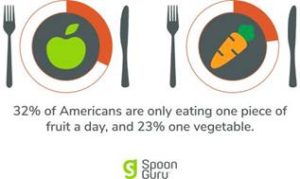
This is following 40 percent of Americans revealing they are afraid of developing a serious illness and 19 percent fear an early death due to an unhealthy diet. As a result, 74 percent of those surveyed stated they have tried to improve their health and wellbeing over the past year—however, the new study suggests they are failing, with 88 percent revealing their diet is still unhealthy. In line with these findings, 68 percent of respondents revealed they eat five or more processed meals a week, despite half of Americans (50 percent) claiming they have been eating less processed food over the past year. The conflicting results suggest shoppers may be attempting to eat healthier but are unaware that processed foods include cereals, pasta, cheese, etc.
For those who stated they were eating less sugar (55 percent), the research found that almost a third of U.S. consumers (29 percent) are using honey as an alternative, and 10 percent are using maple syrup, suggesting consumers are lacking the knowledge that these products contain a high level of sugar. Additionally, two in five (42 percent) respondents stated they add two or more spoonfuls of sugar to their daily hot drinks. Meanwhile, 32 percent of Americans are also only eating one piece of fruit a day, and 23 percent one vegetable.
In a bid to prevent health-related diseases by improving their diet, 59 percent revealed the cost of their weekly grocery shop had increased, with most claiming to spend as much as $31 more each week. The cost associated with eating healthy proved to be the biggest barrier for 48 percent of those surveyed, with 67 percent of respondents claiming they would purchase healthier food if retailers lowered costs.
For more information, visit www.spoon.guru.